Call of Duty : Black Ops 6
Missions
(some missions I worked on)
As a Senior Photogrammetry Artist on Call of Duty: Black Ops 6, I combined tech art, environment art, and photogrammetry to create highly realistic game worlds. I worked on missions like High Rollers, Hunting Season, The Cradle and Separation Anxiety, contributing to everything from 3D scanning, environment work and asset integration to material development and optimization. Working closely with the art teams, I balanced creativity and technical precision to build believable, high-performance environments. Through procedural workflows, simulations, and PBR techniques, I brought together realism, design, and storytelling in every project.
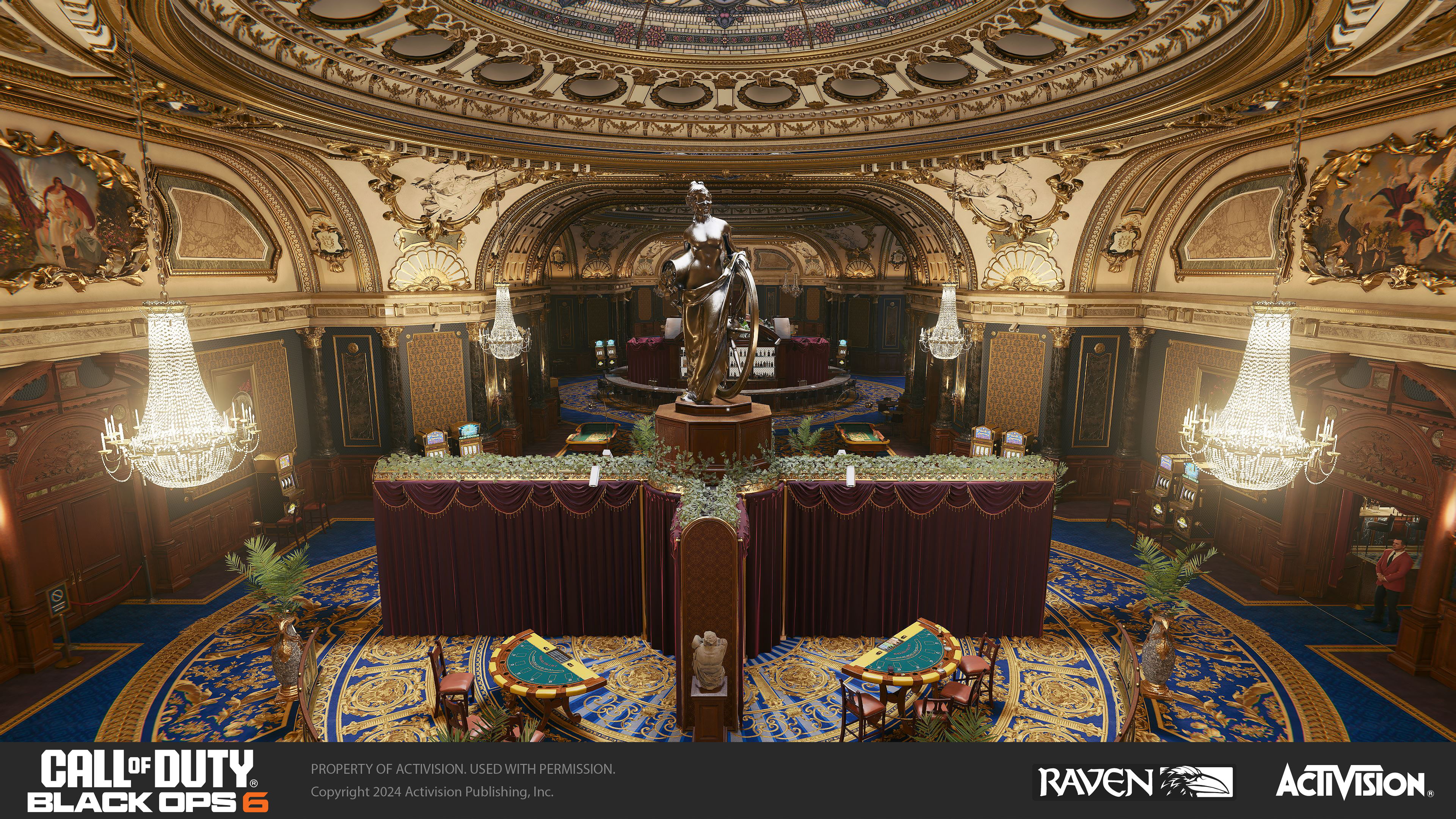
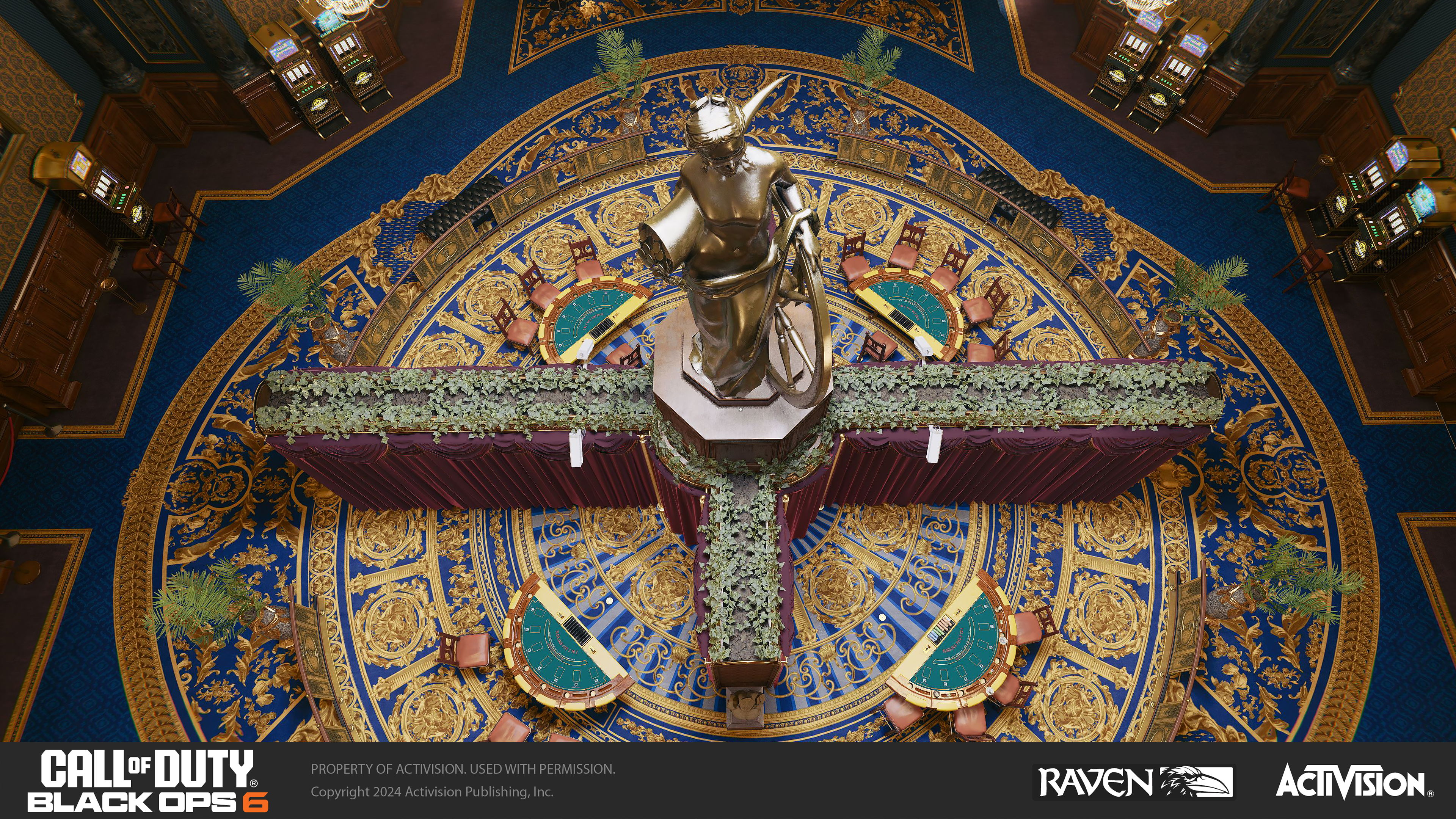
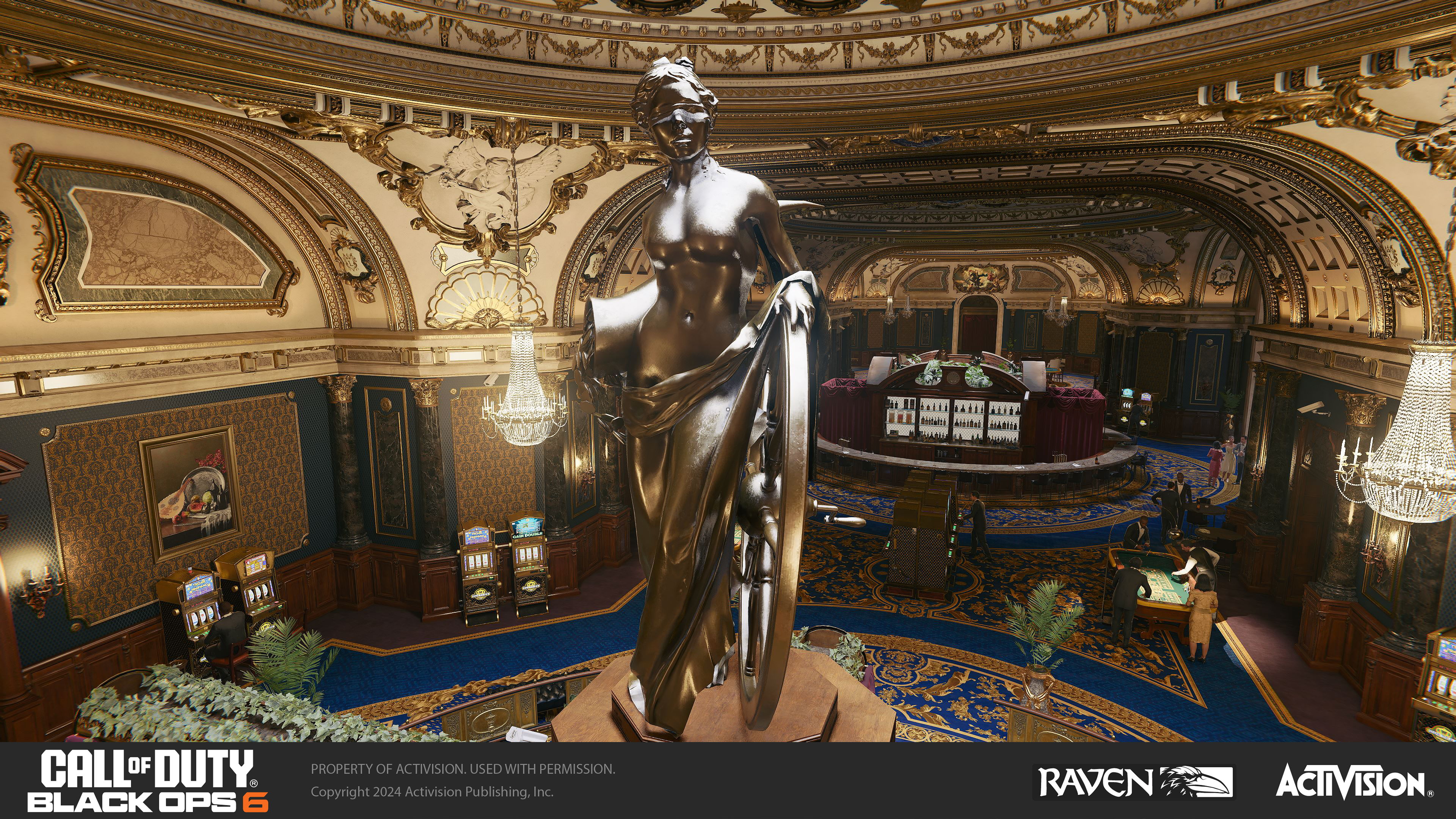
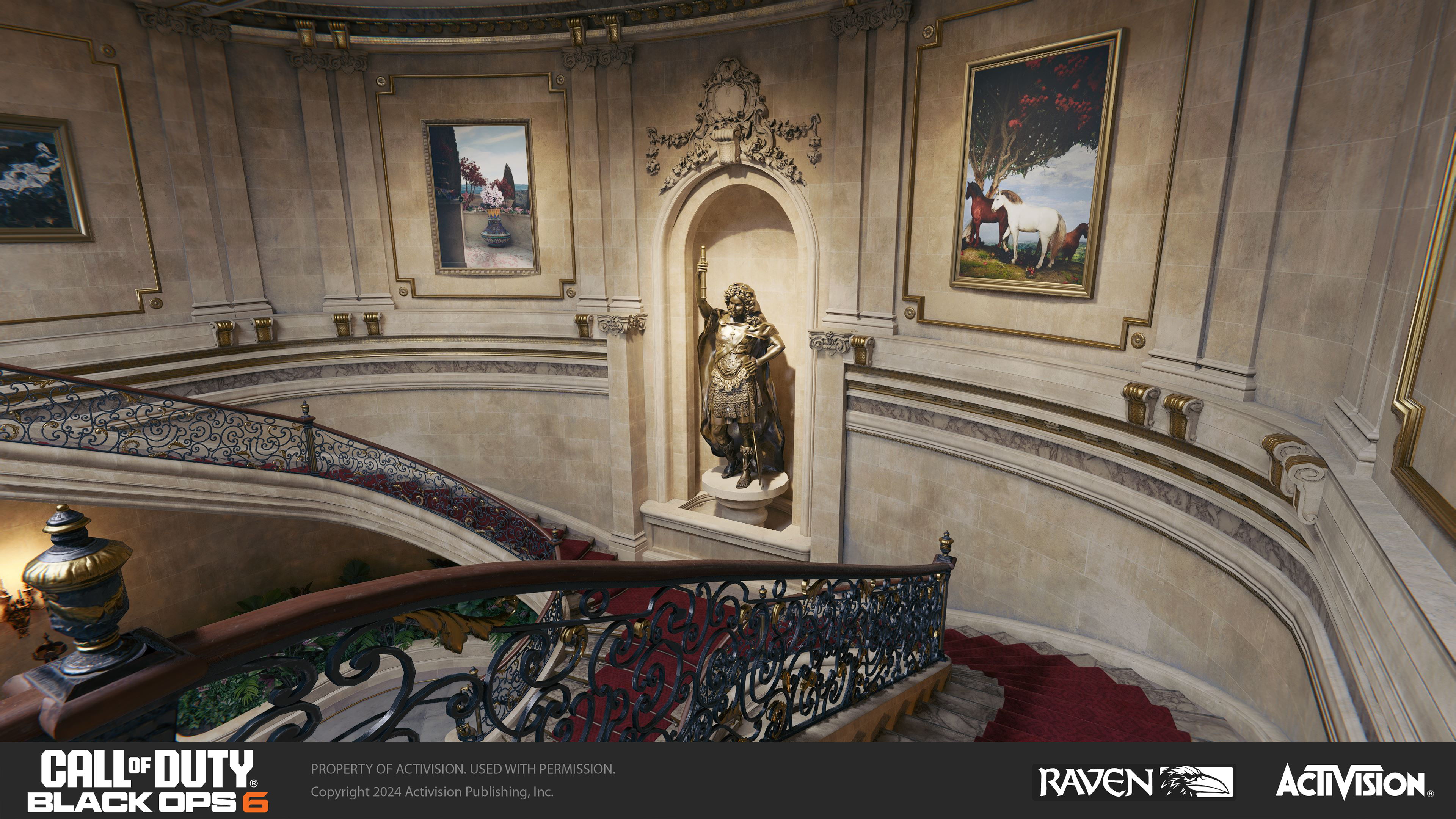
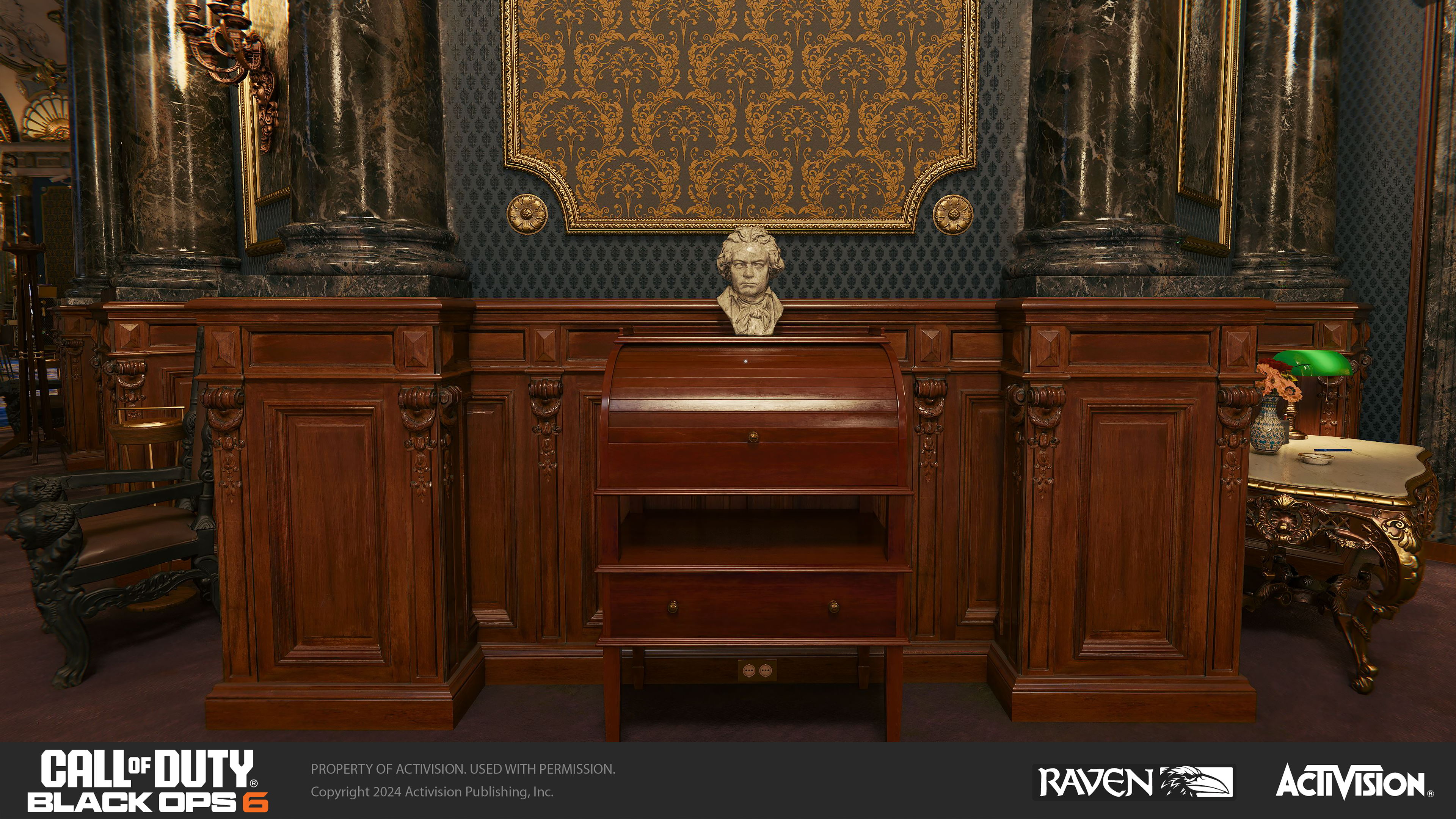
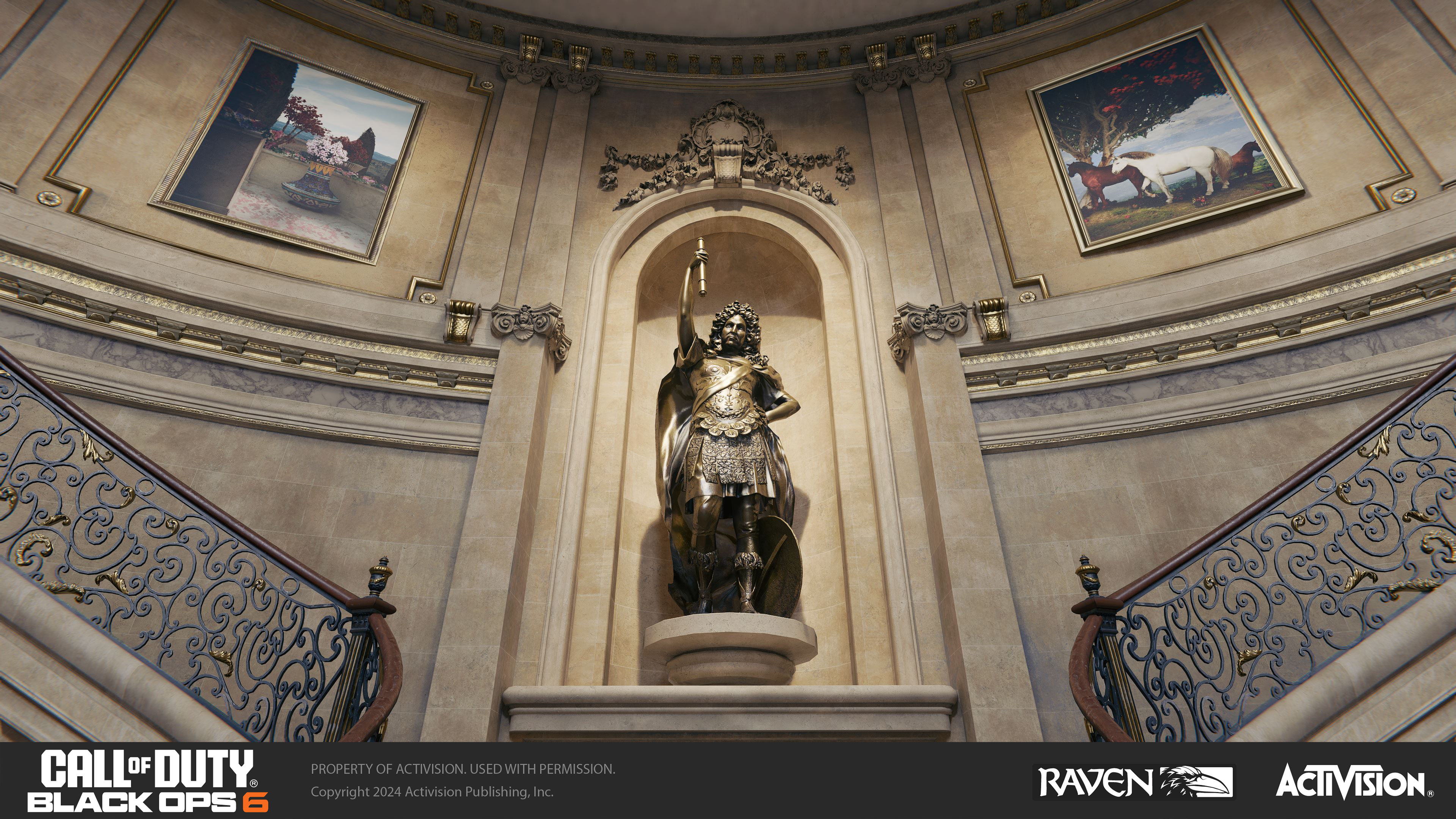
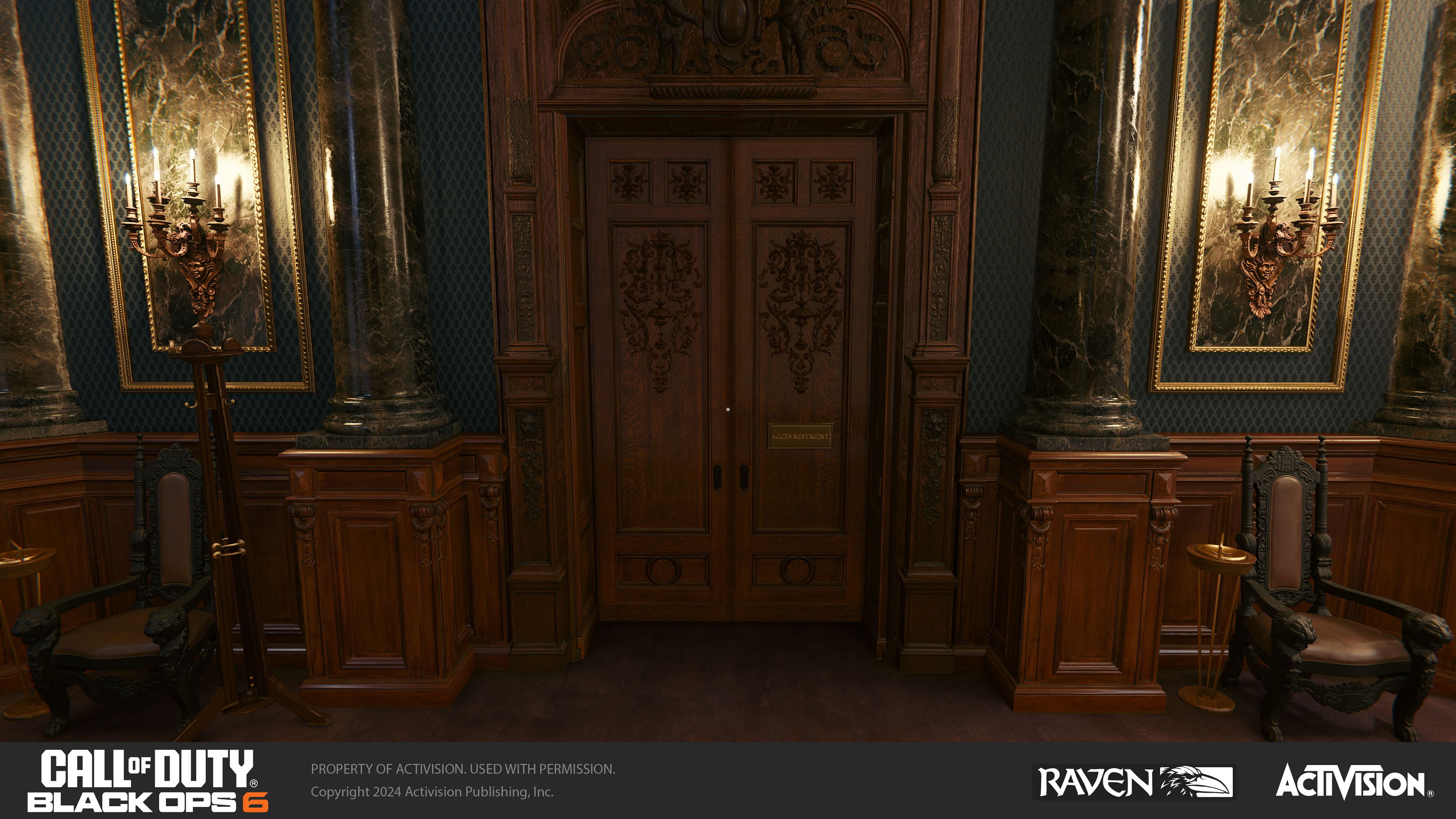
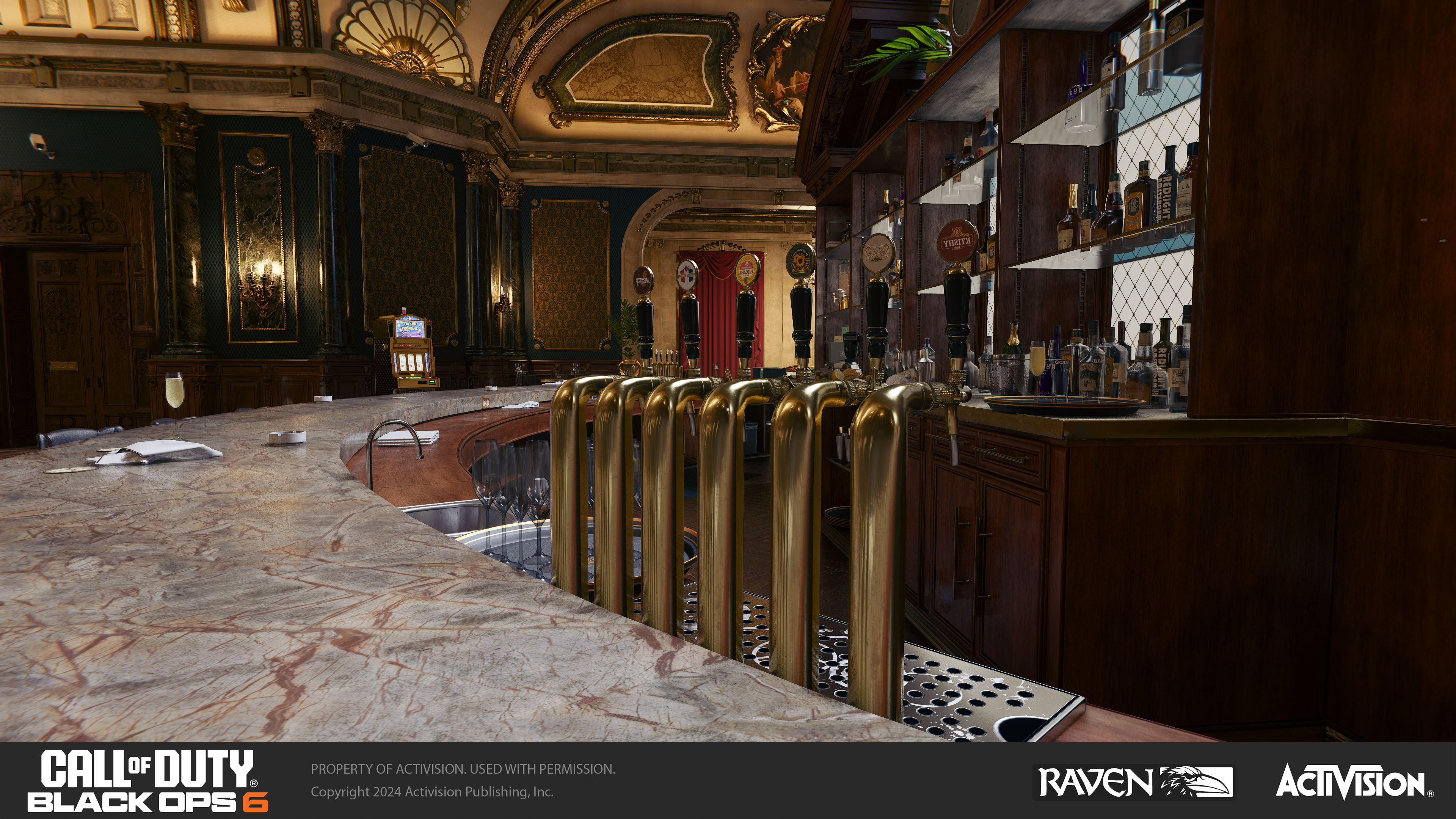
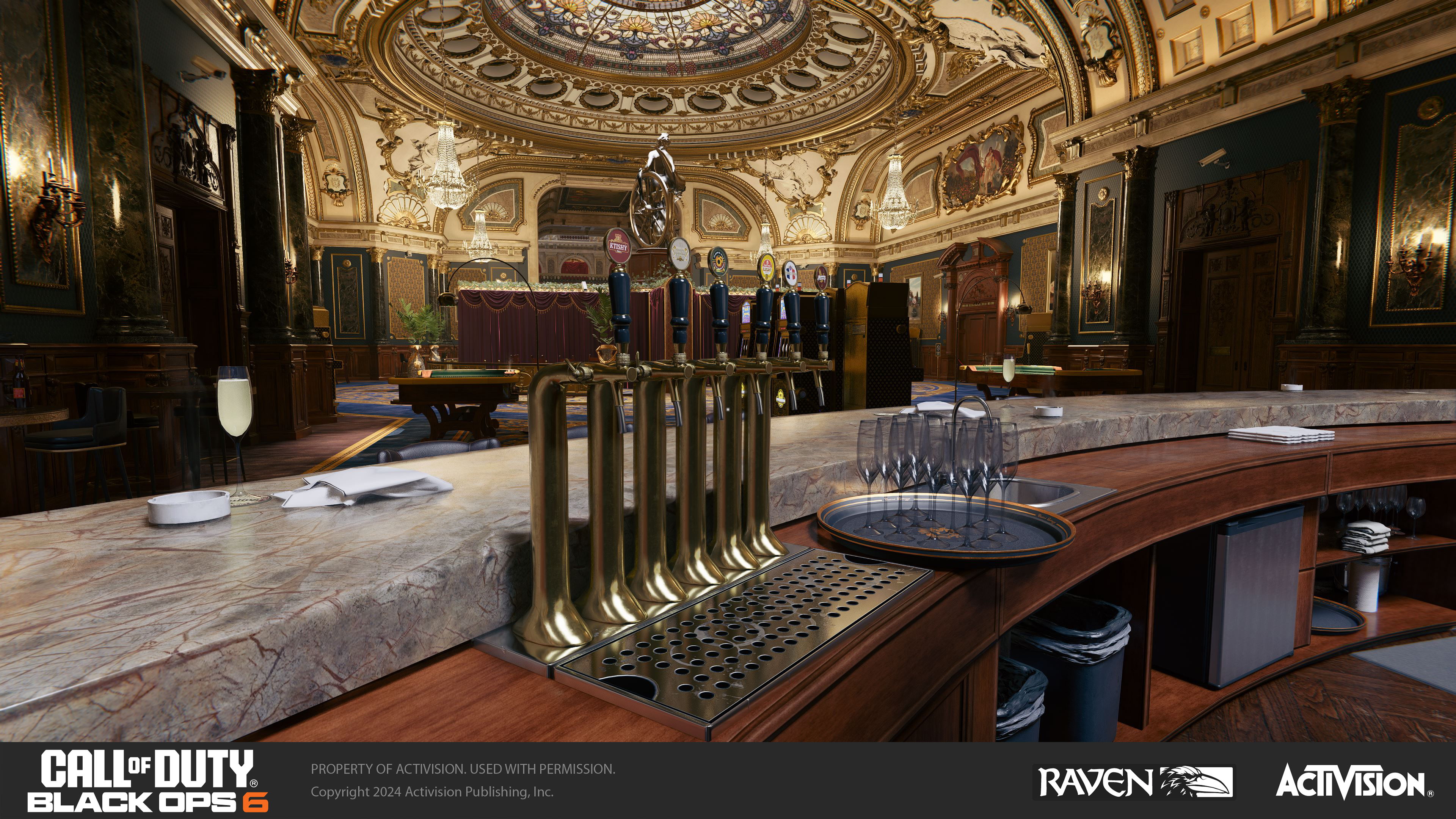
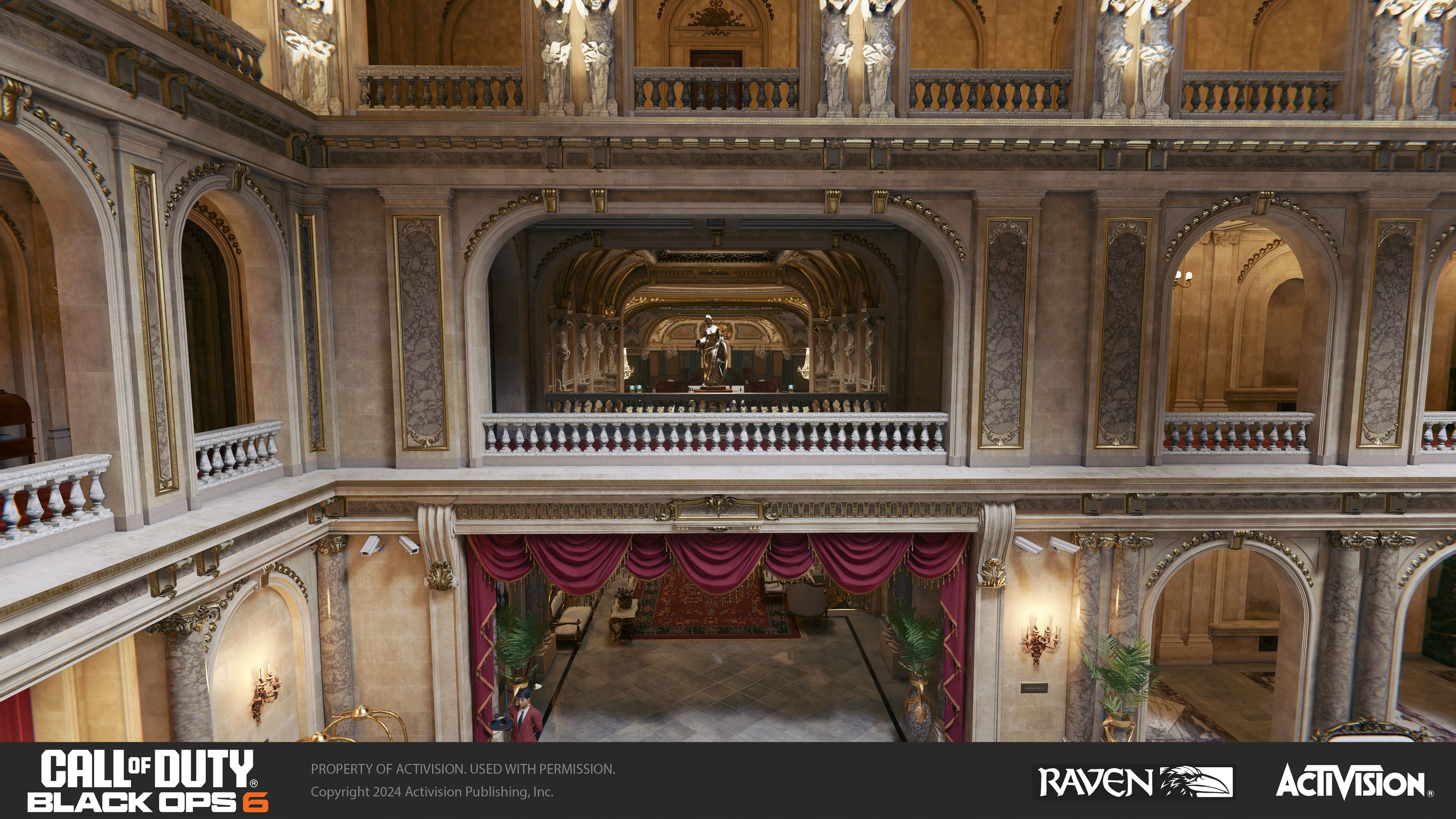
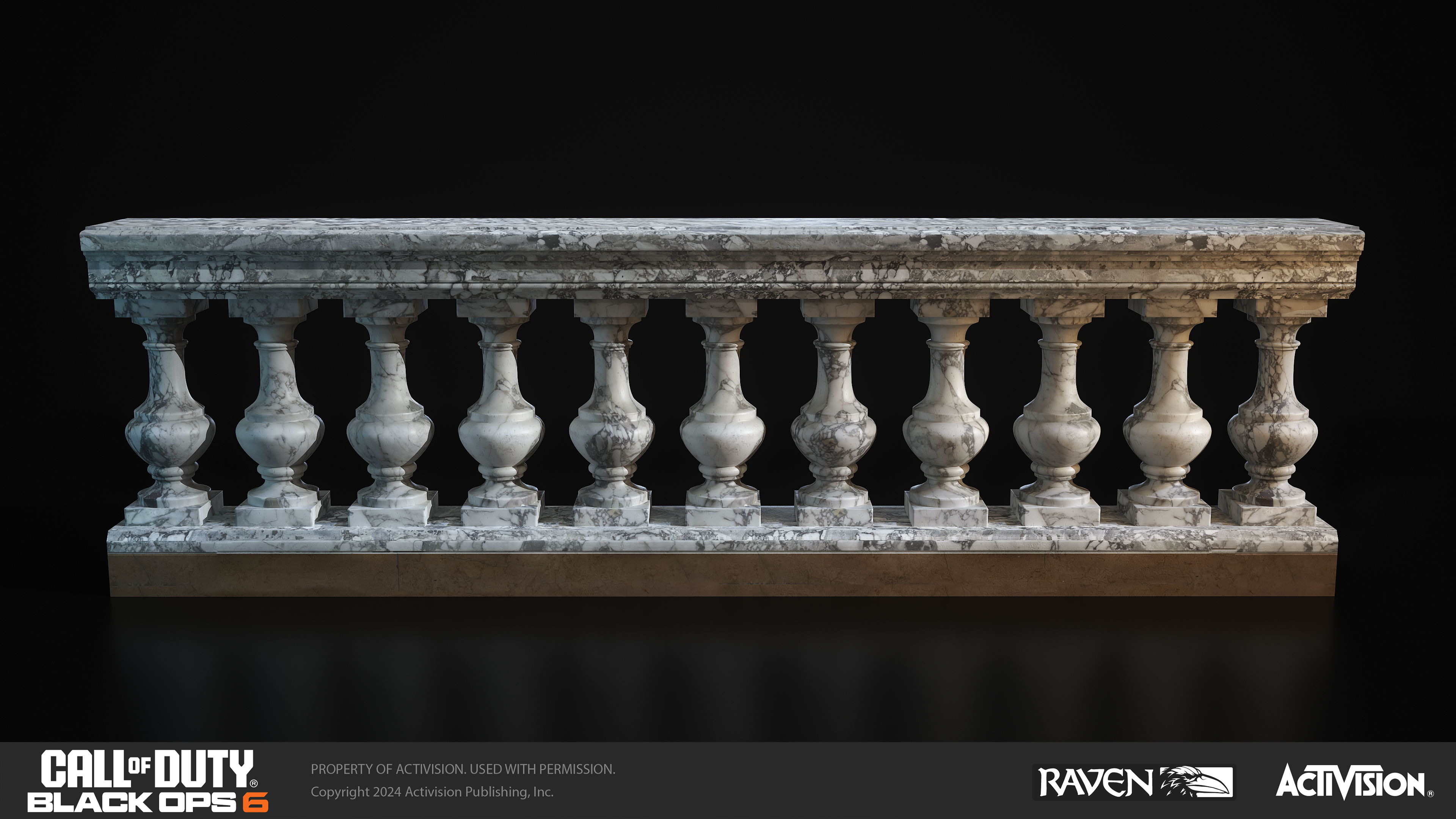
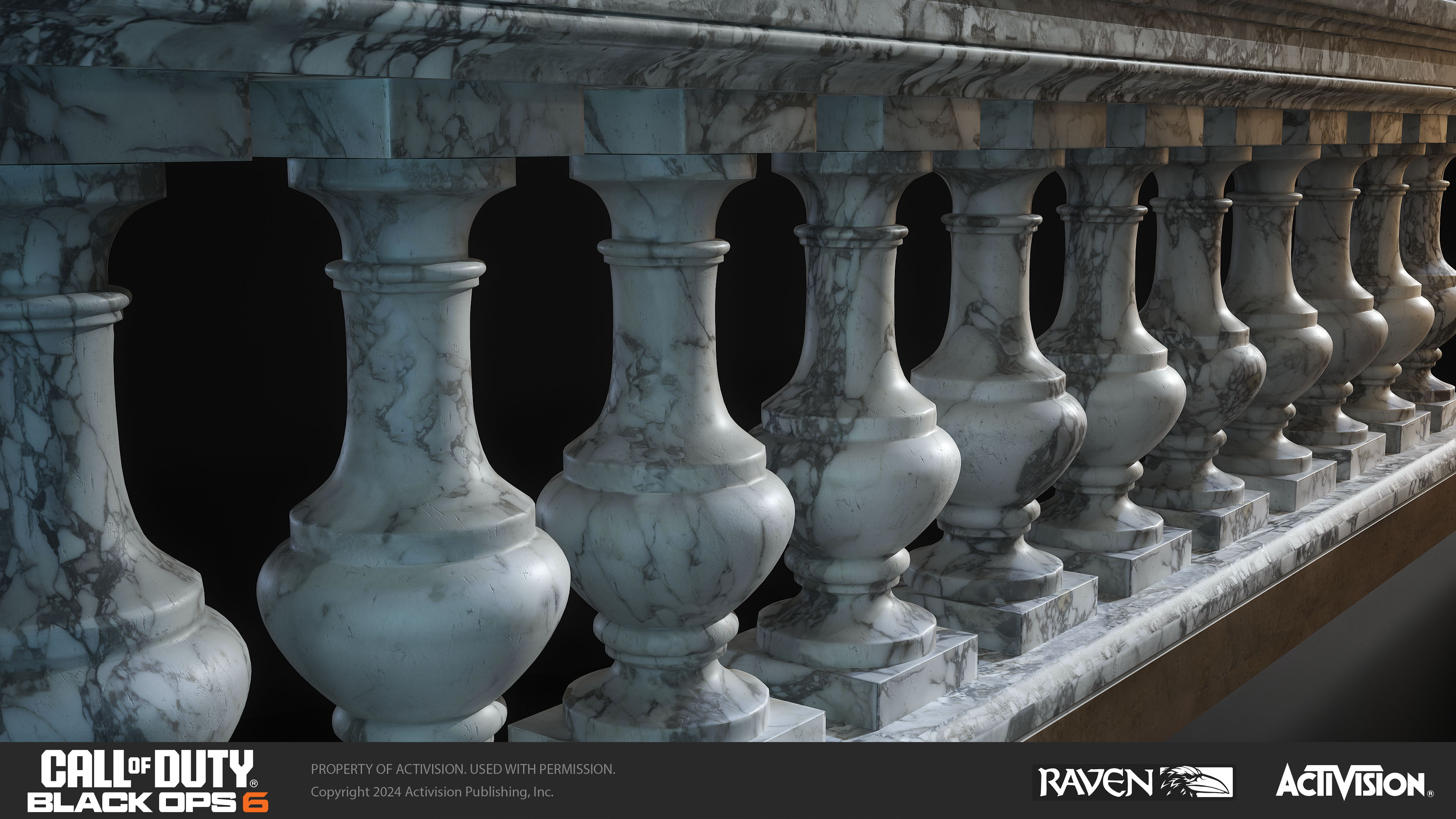
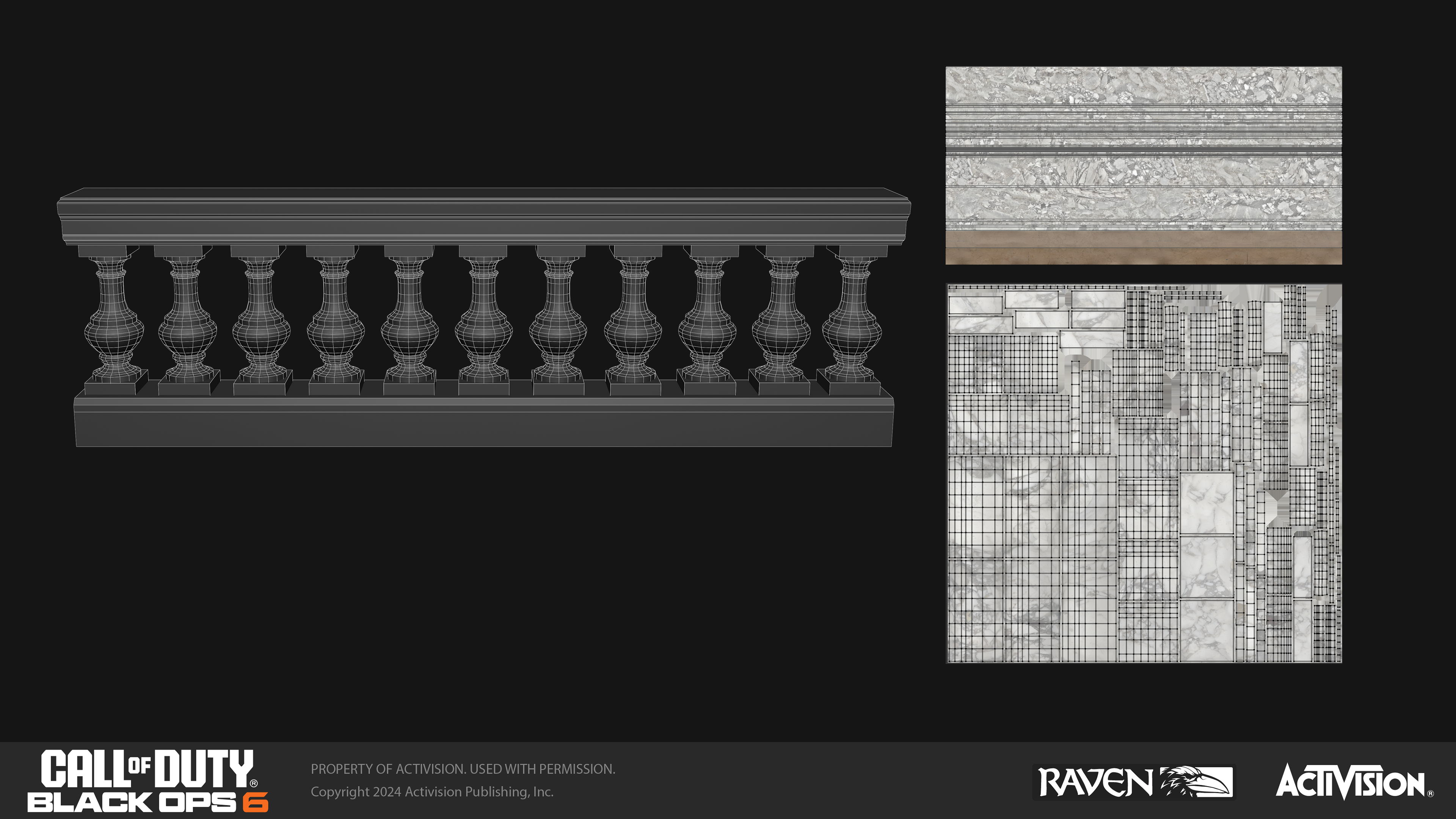
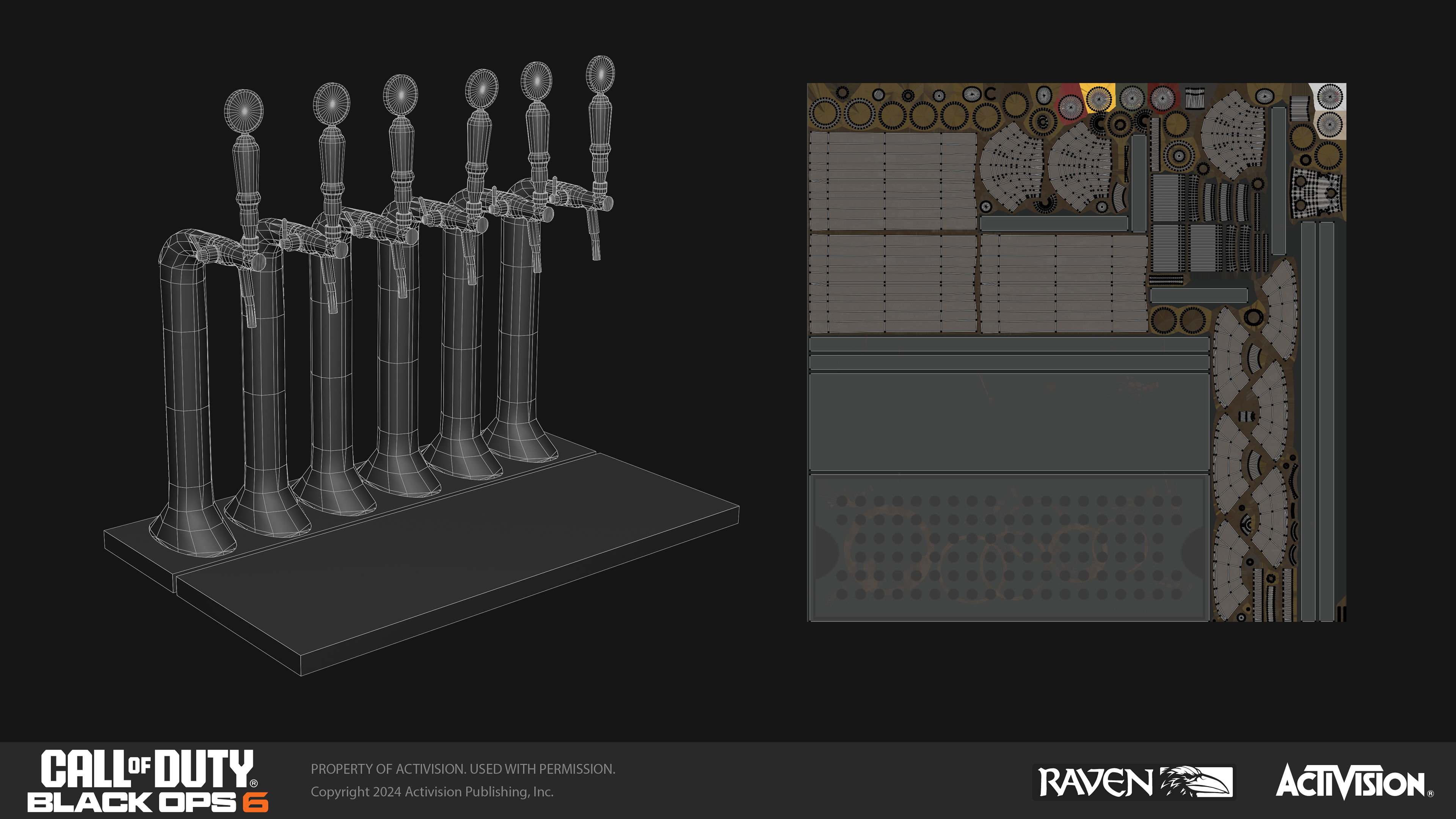
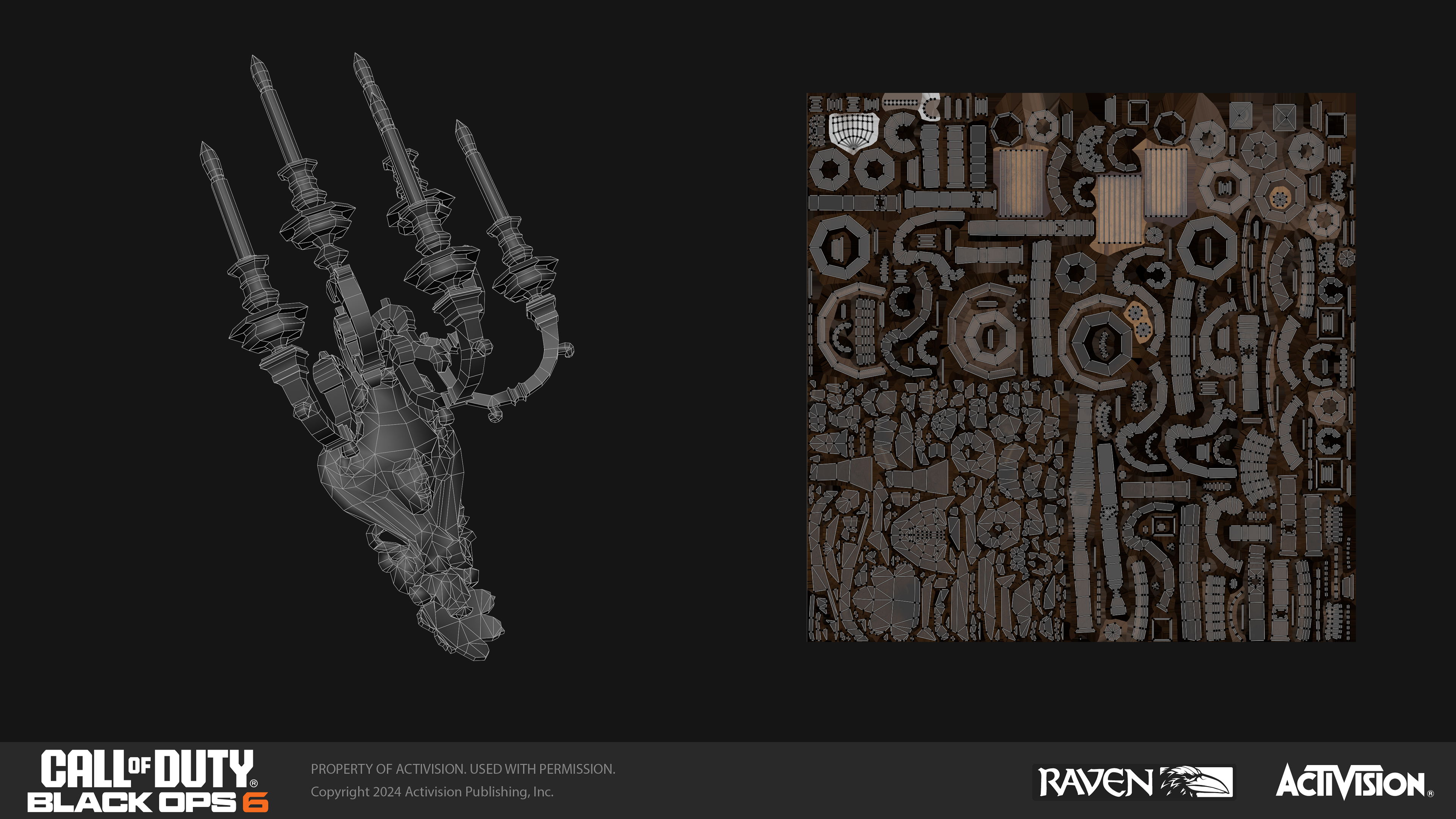
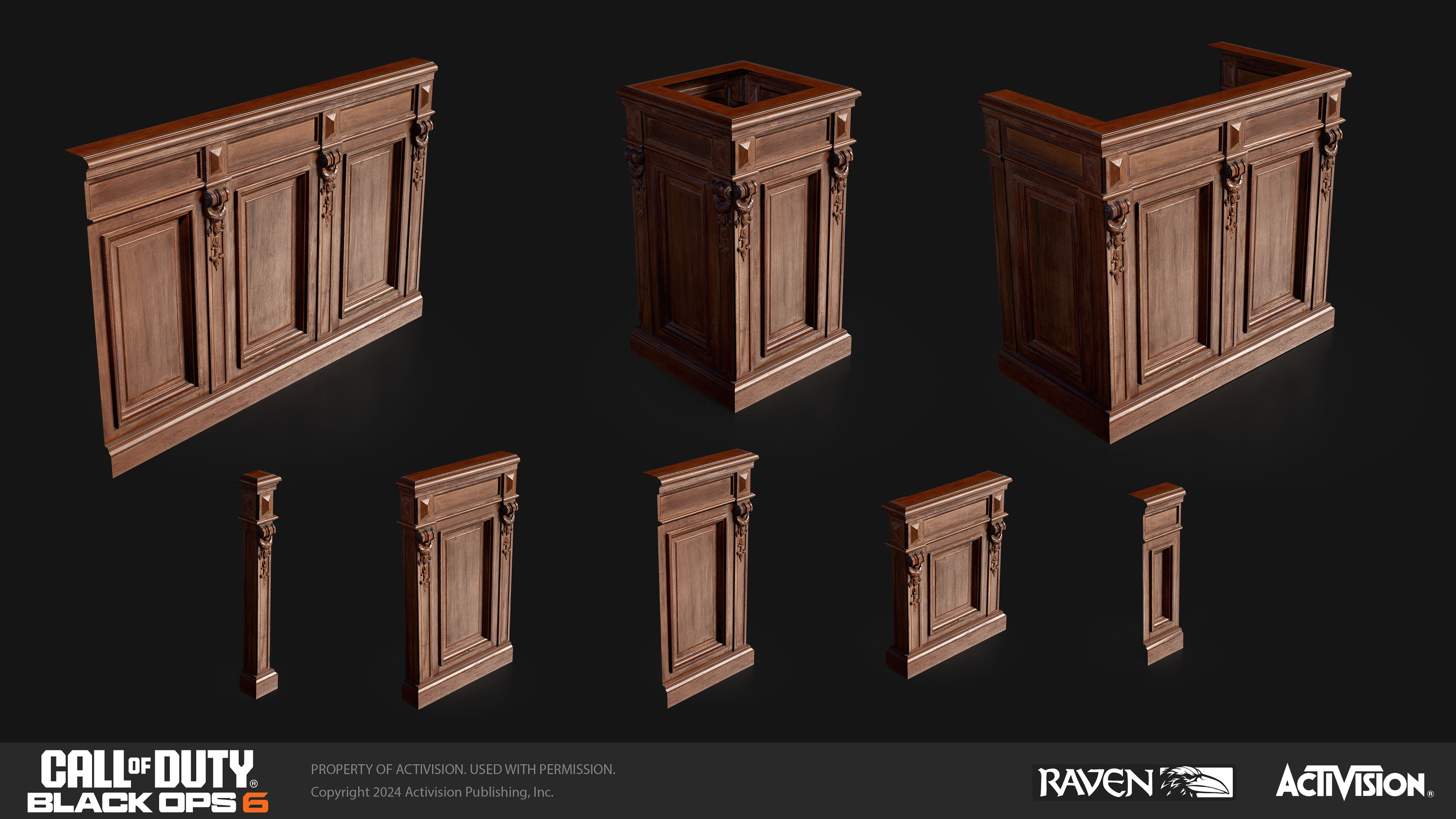
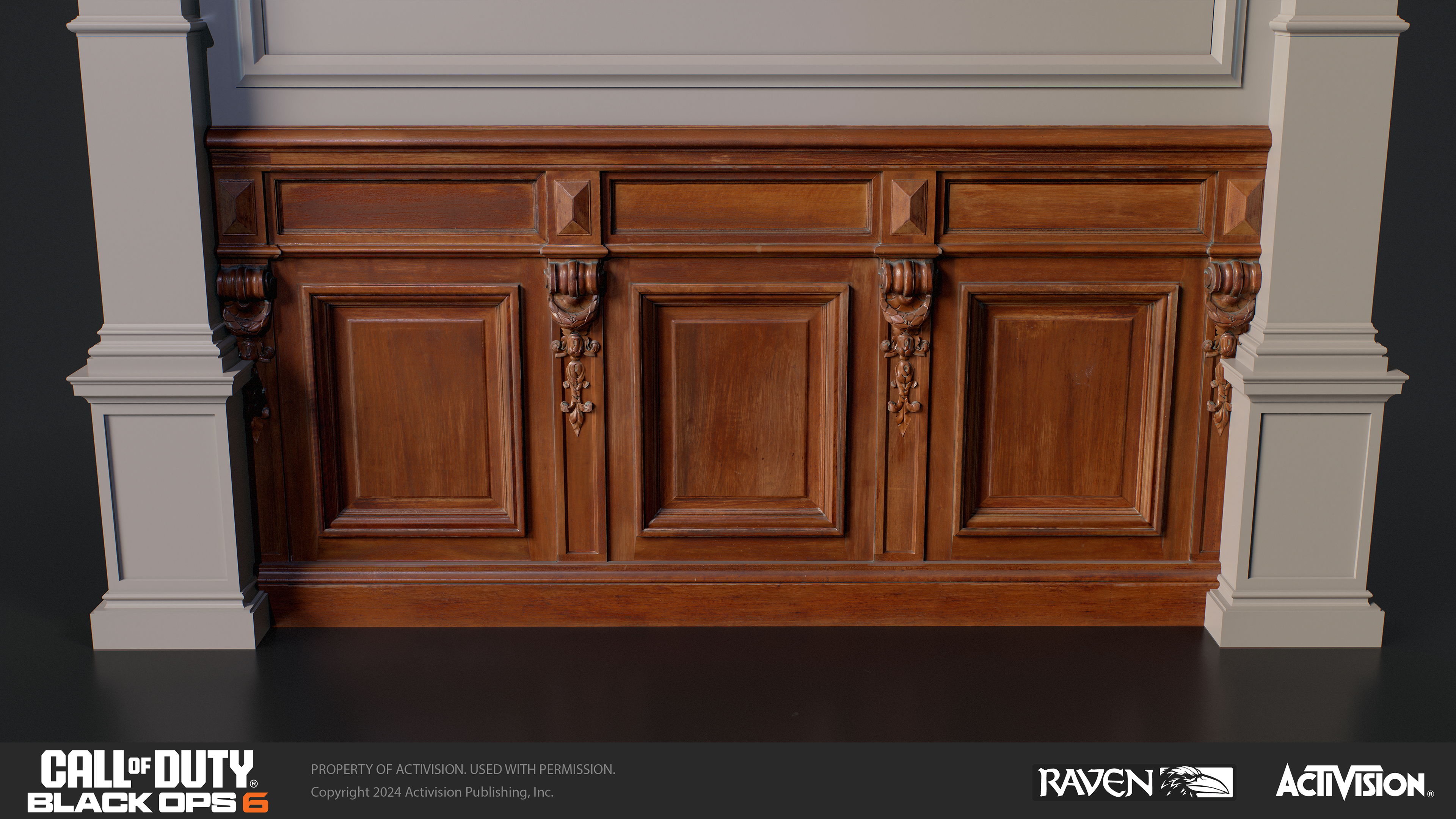
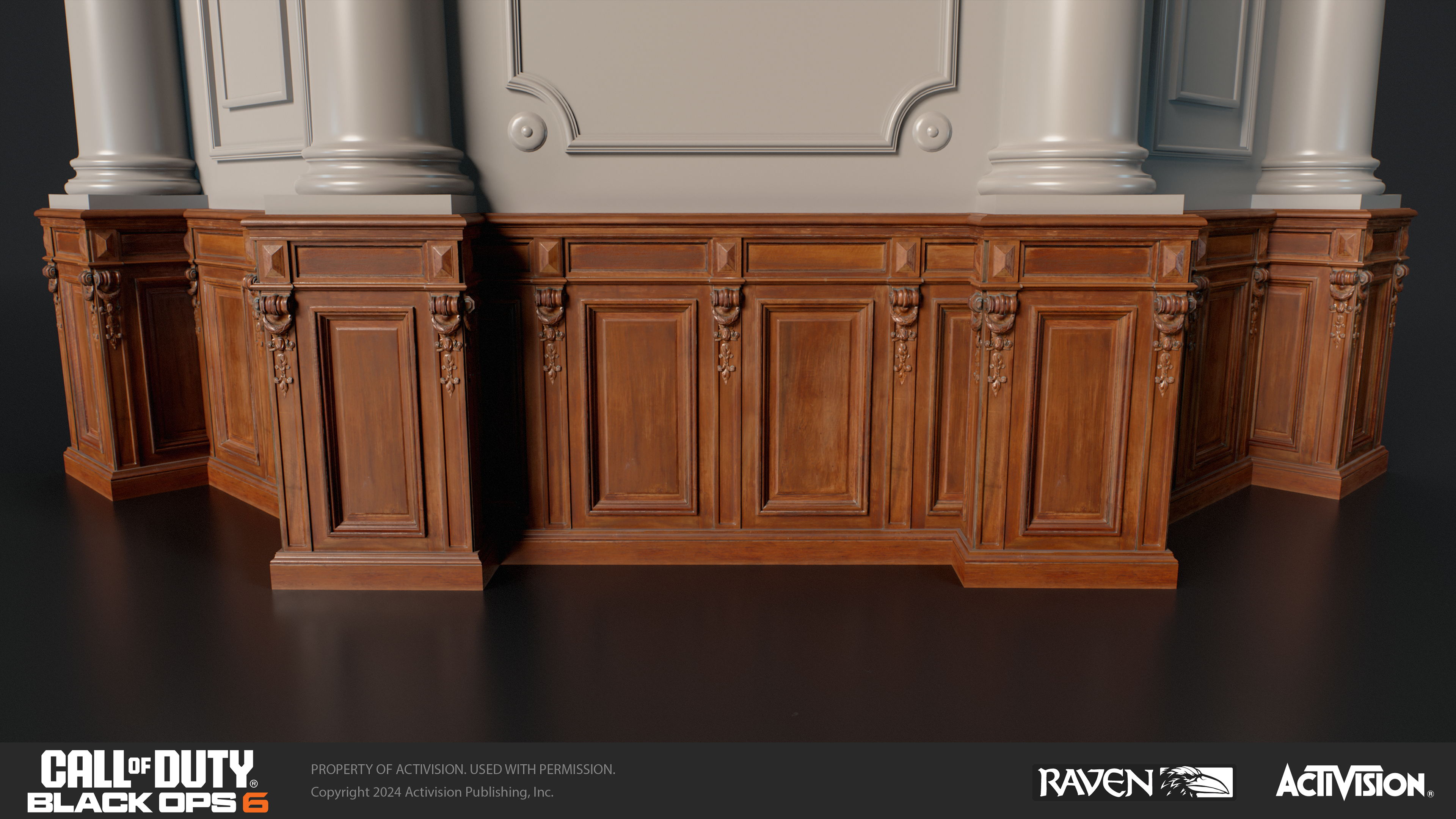
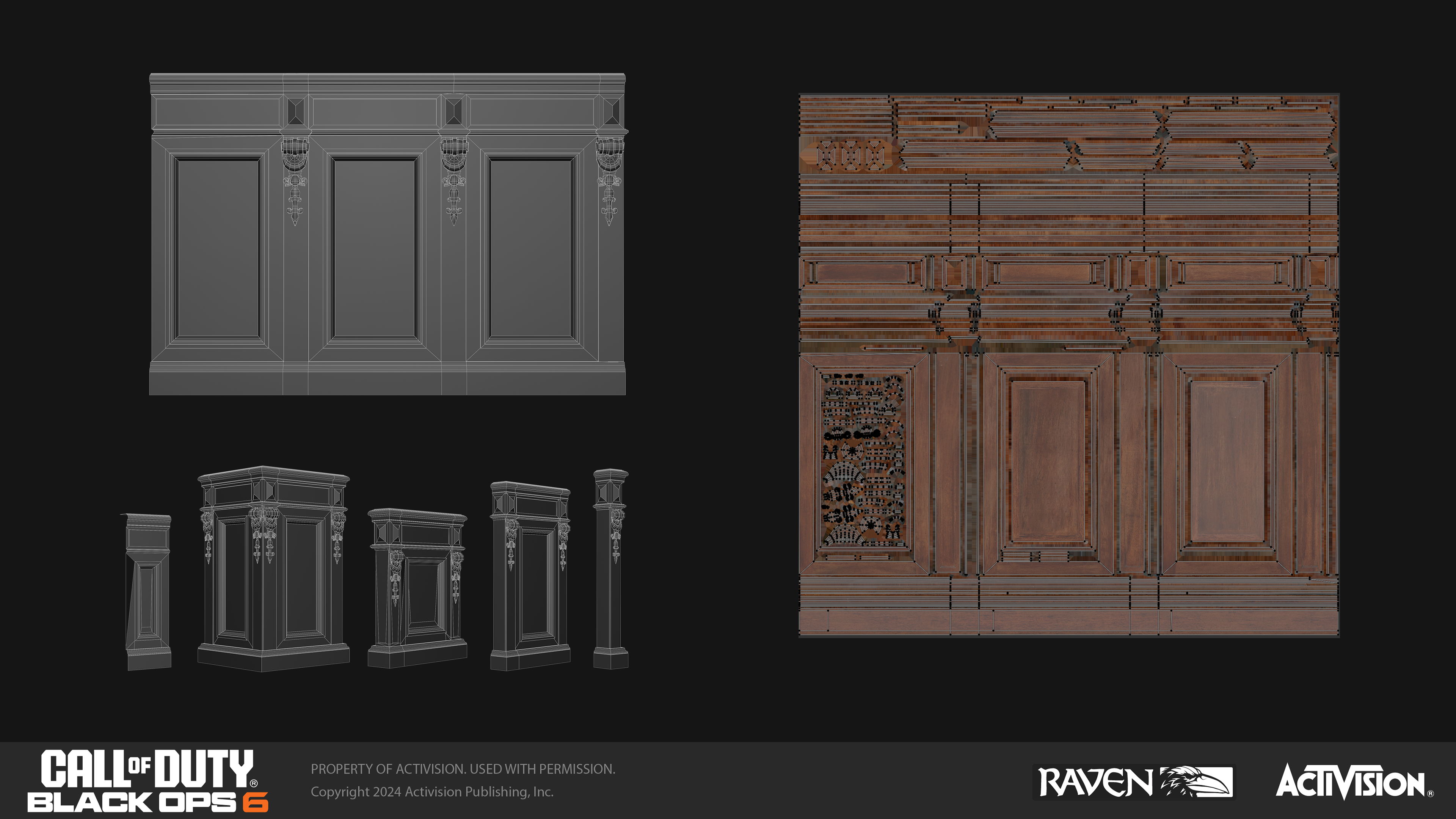
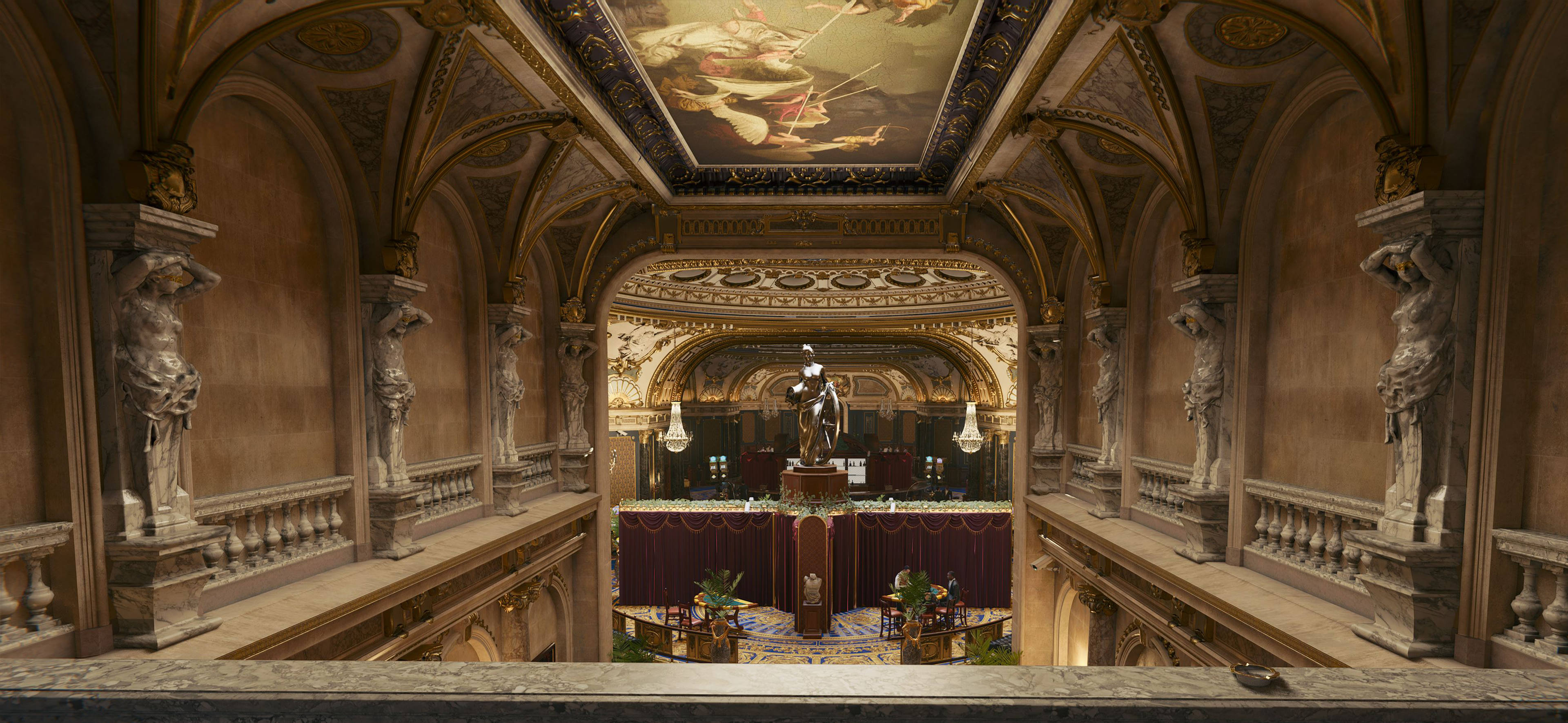
High Rollers demanded an interior with extremely high visual fidelity while still maintaining smooth performance. We processed the room-scale scans collected on location, supported material development, and helped the environment team integrate a variety of game assets and modular kits highlighting the levels overal opulent aesthetics.
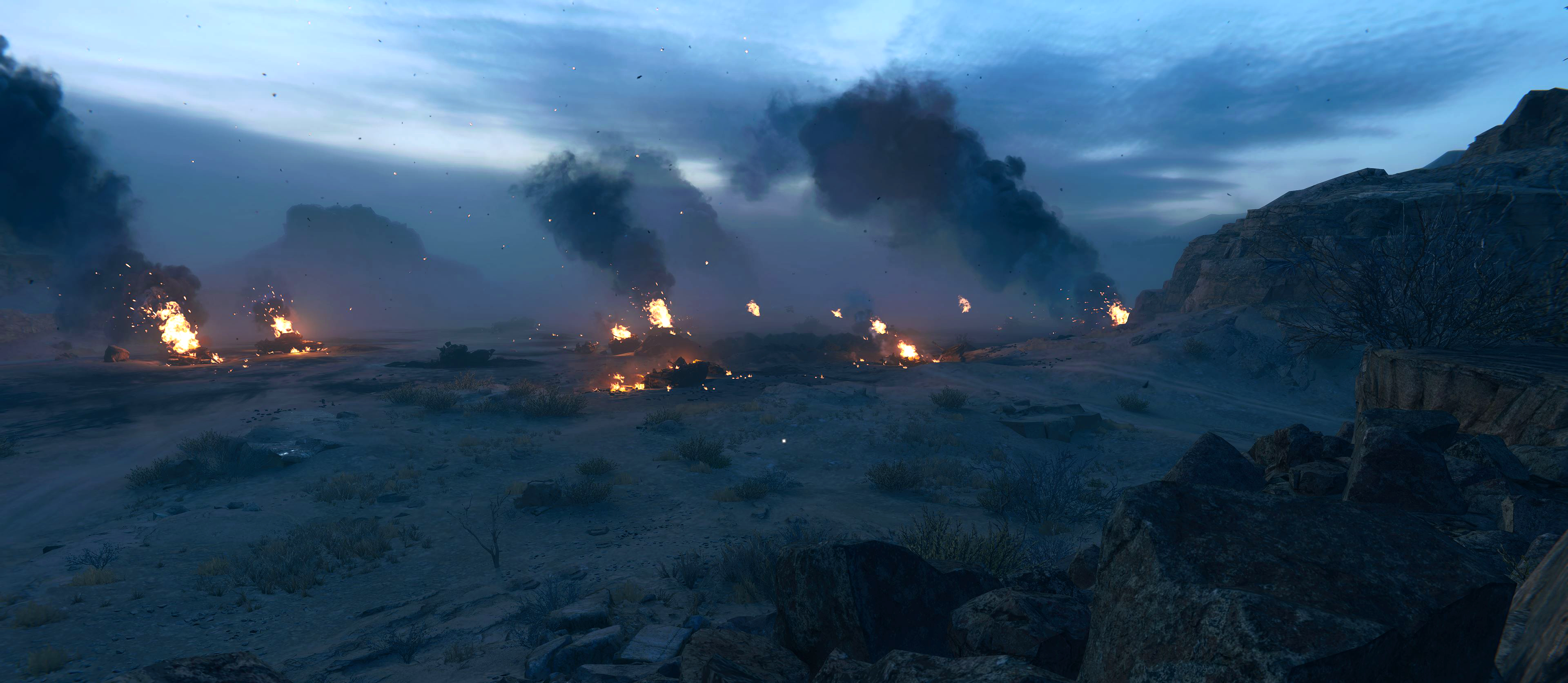
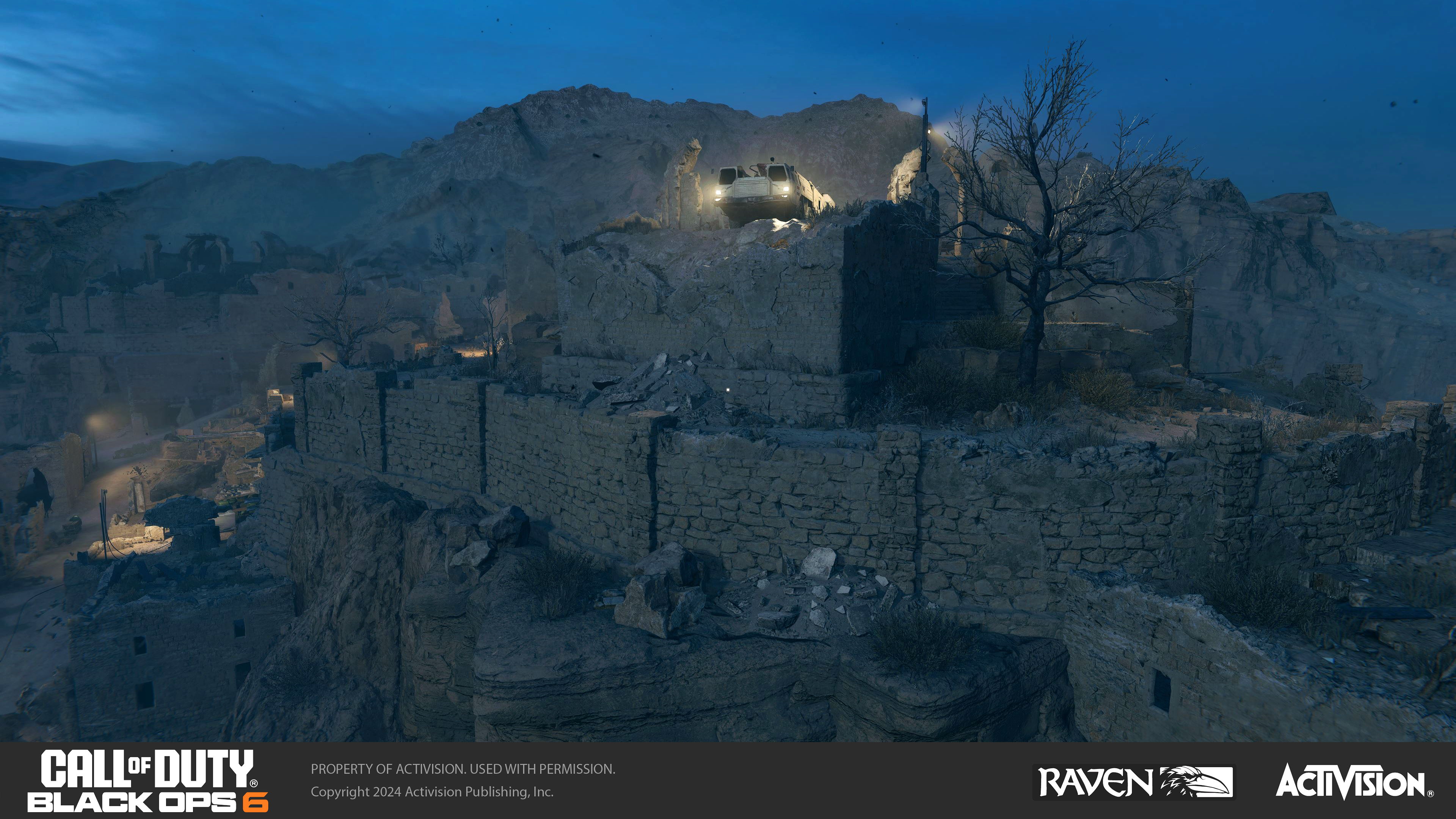
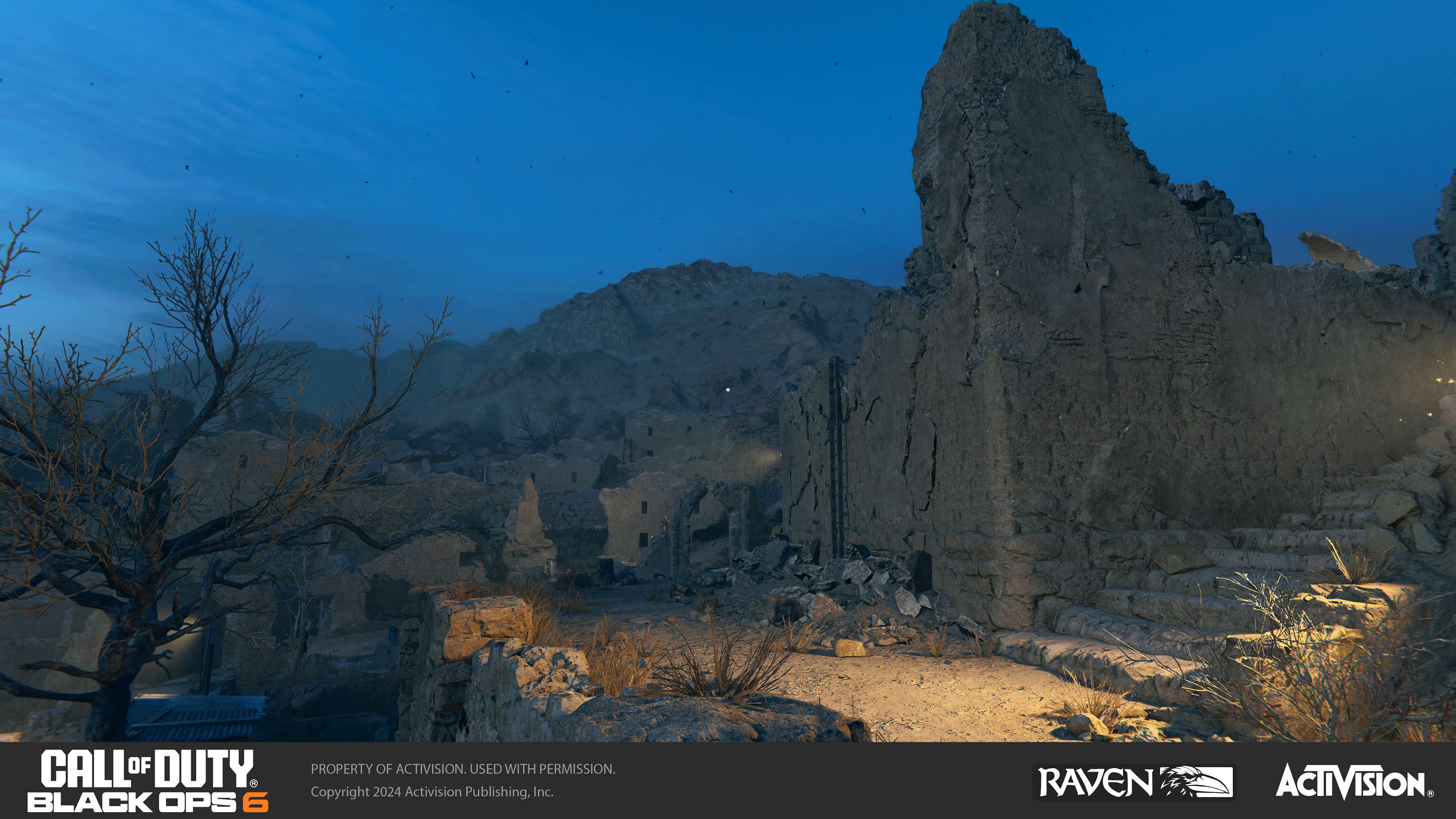
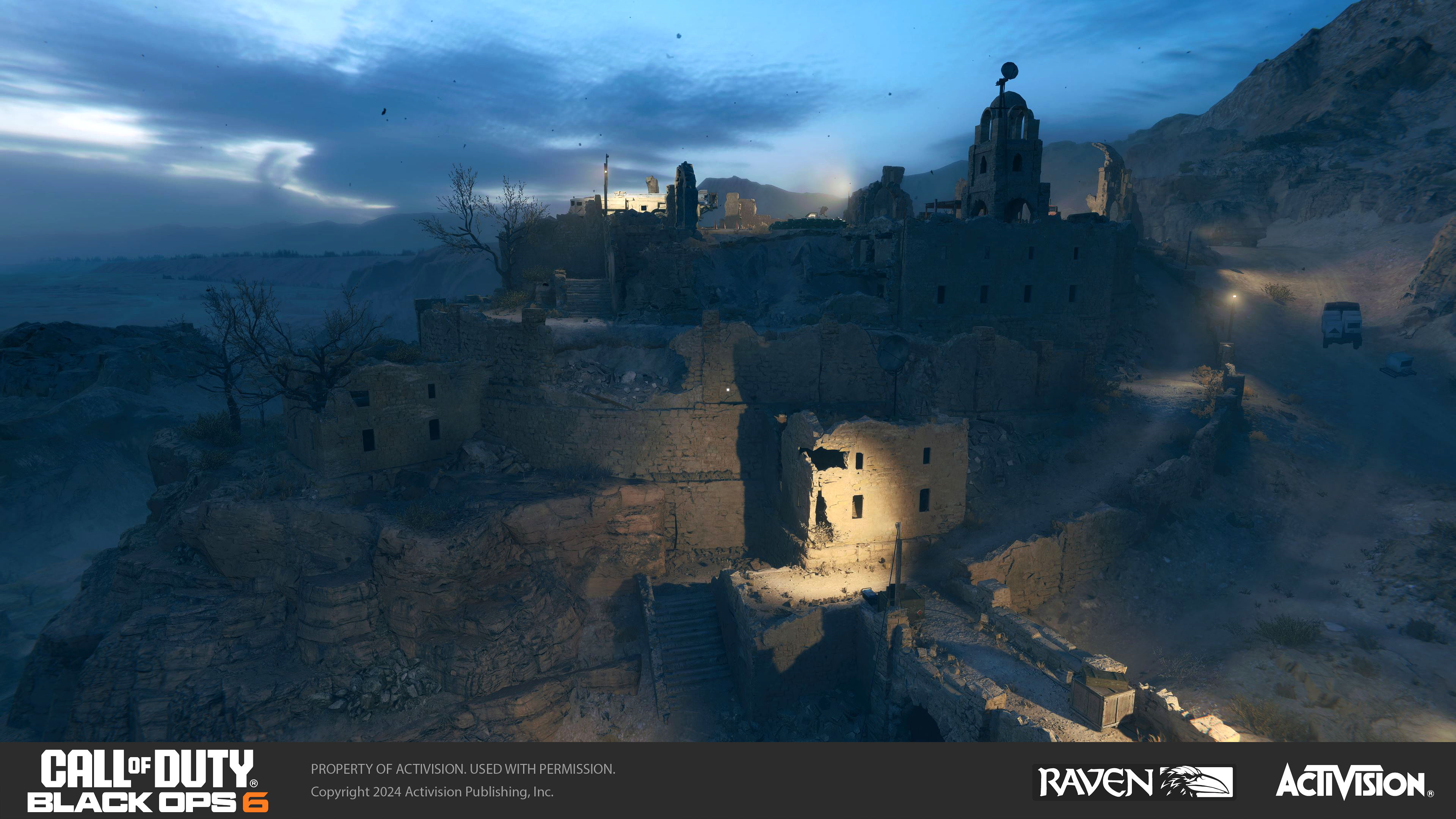
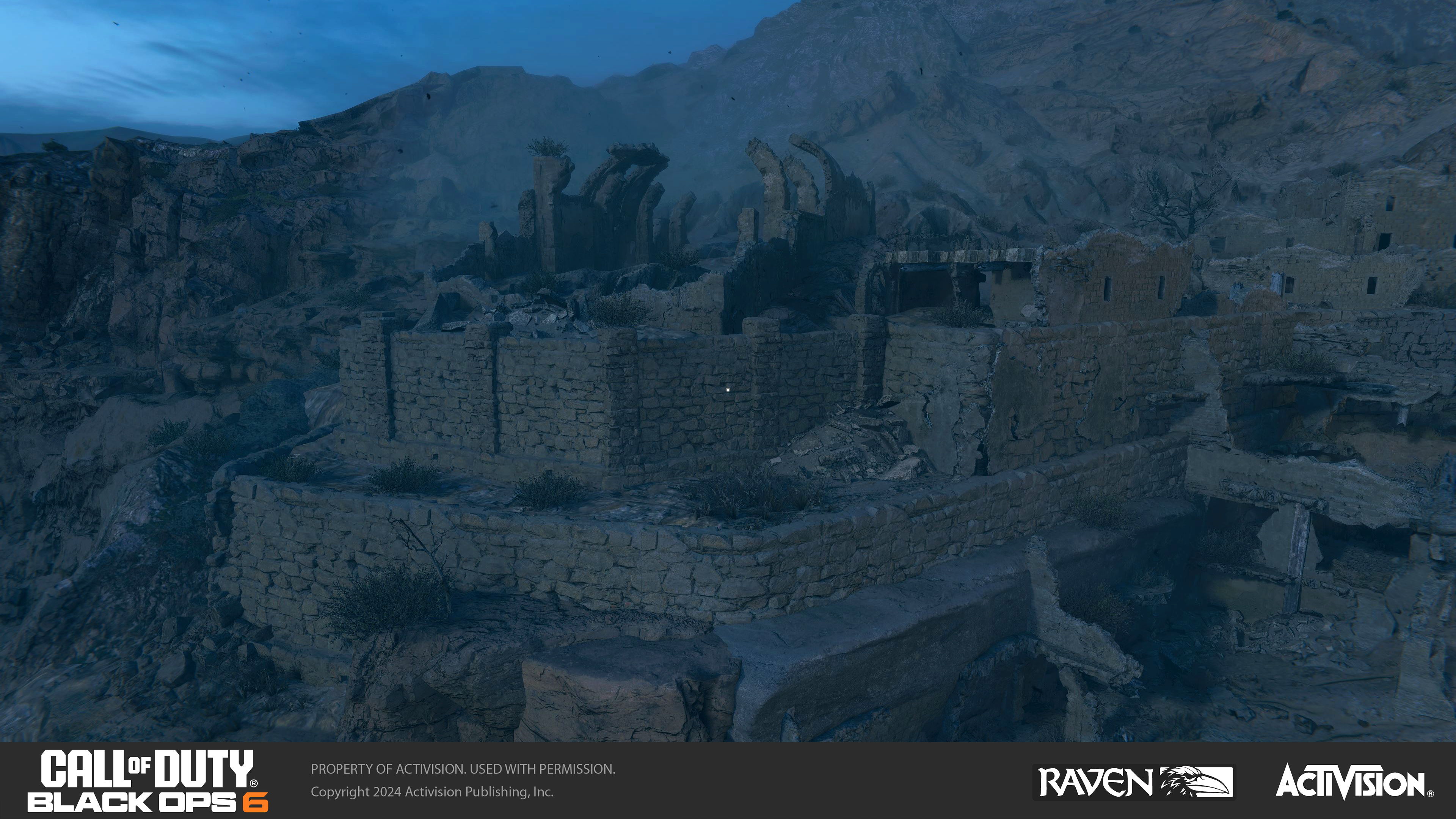
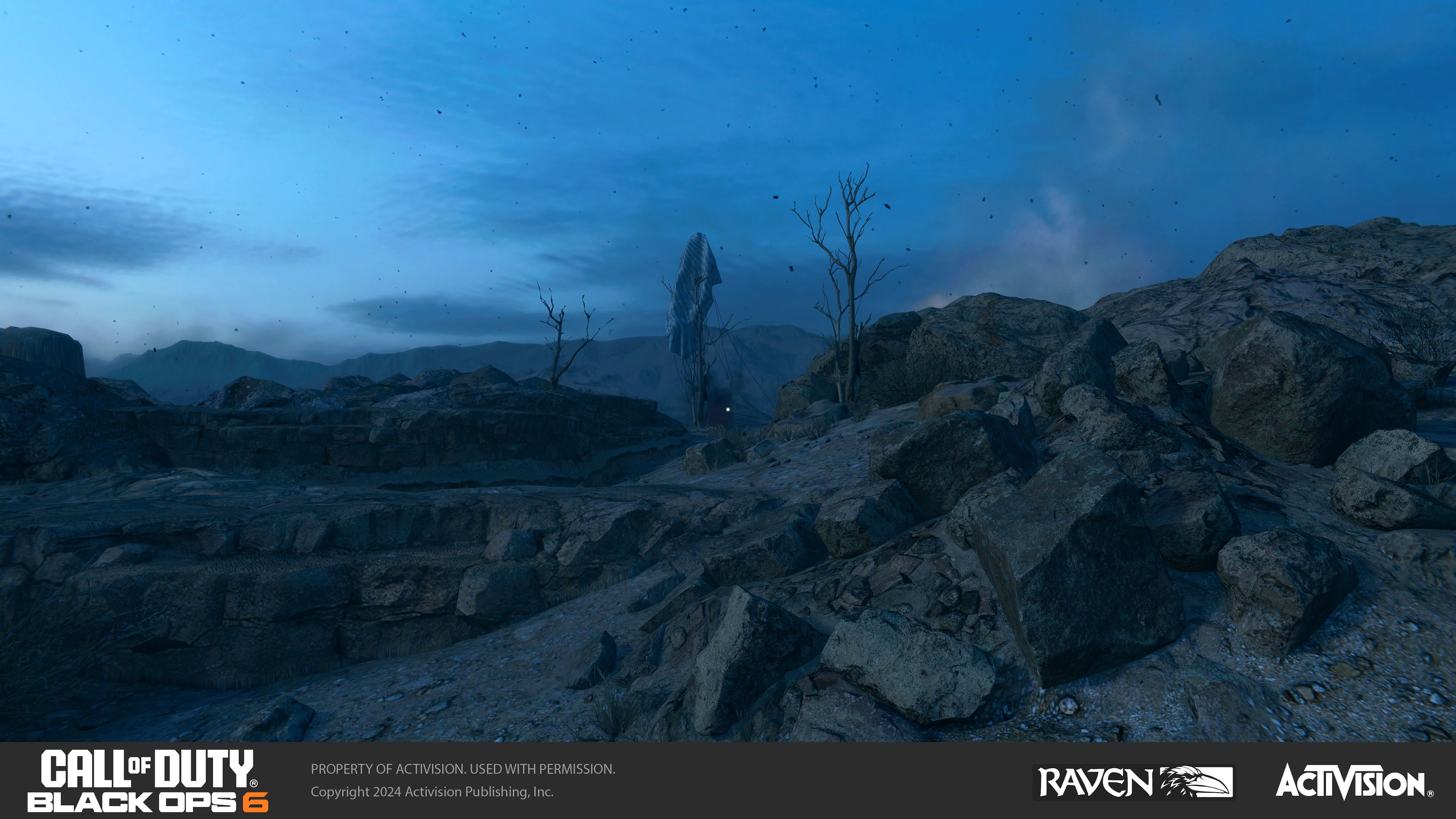
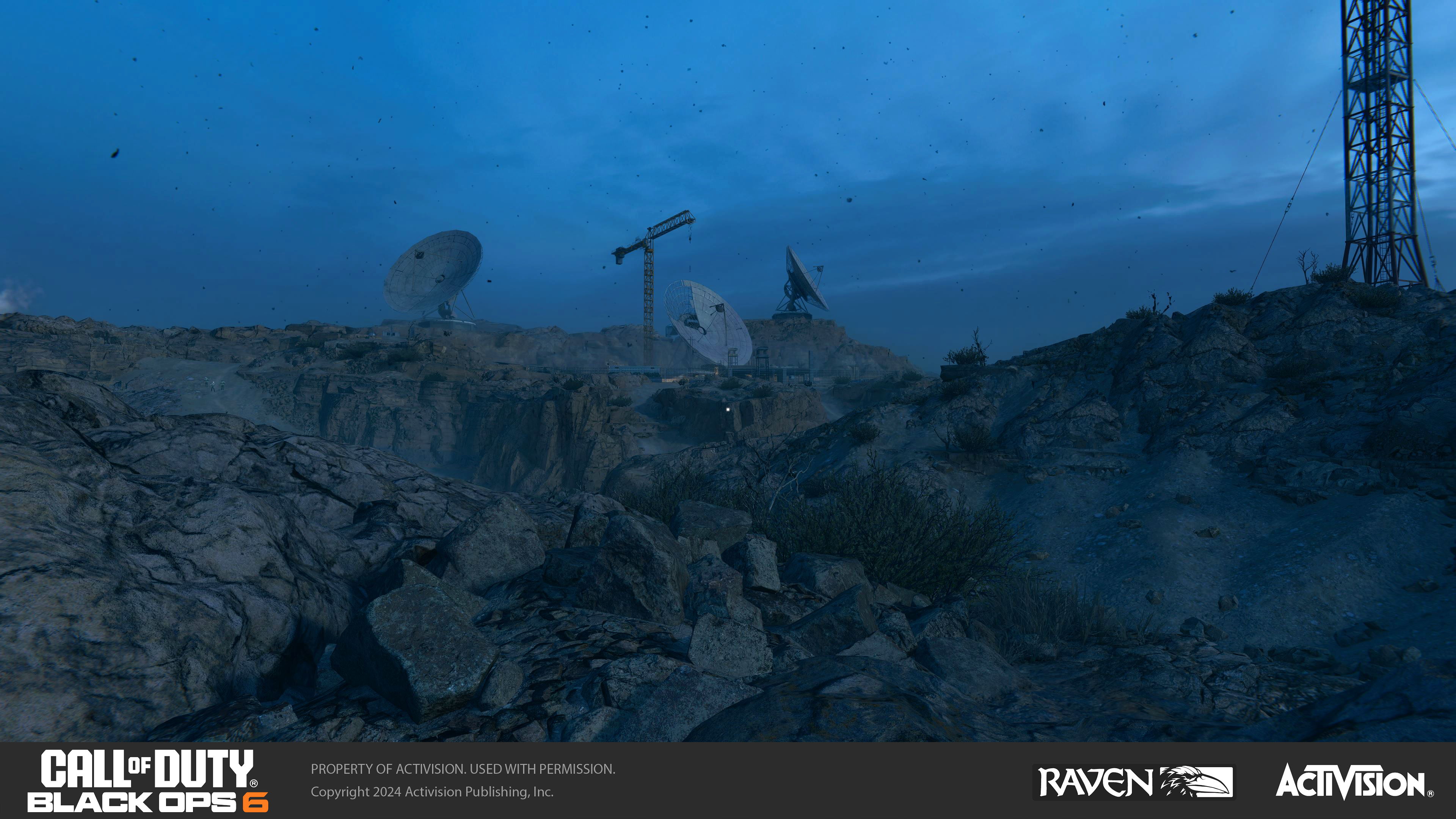
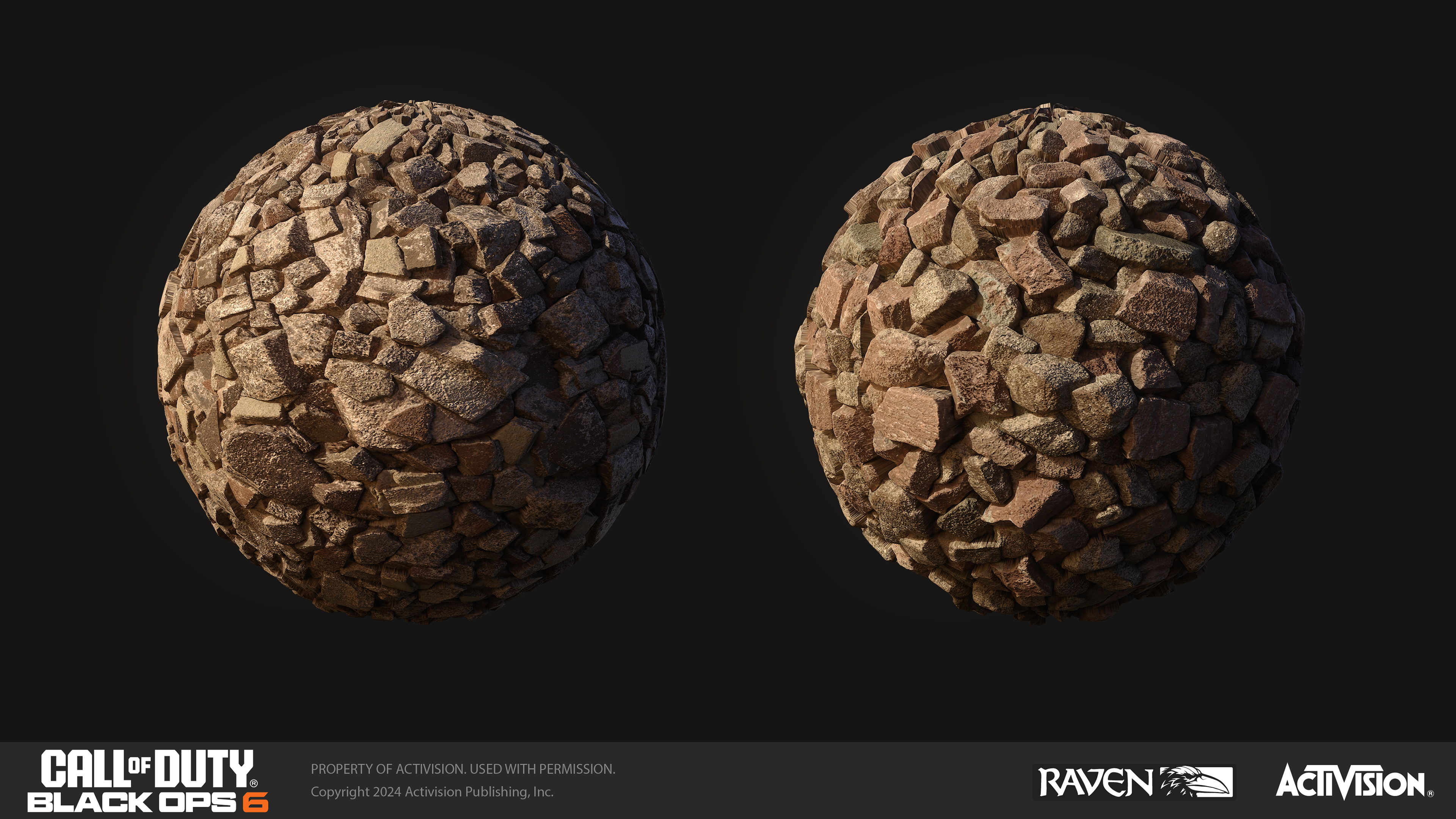
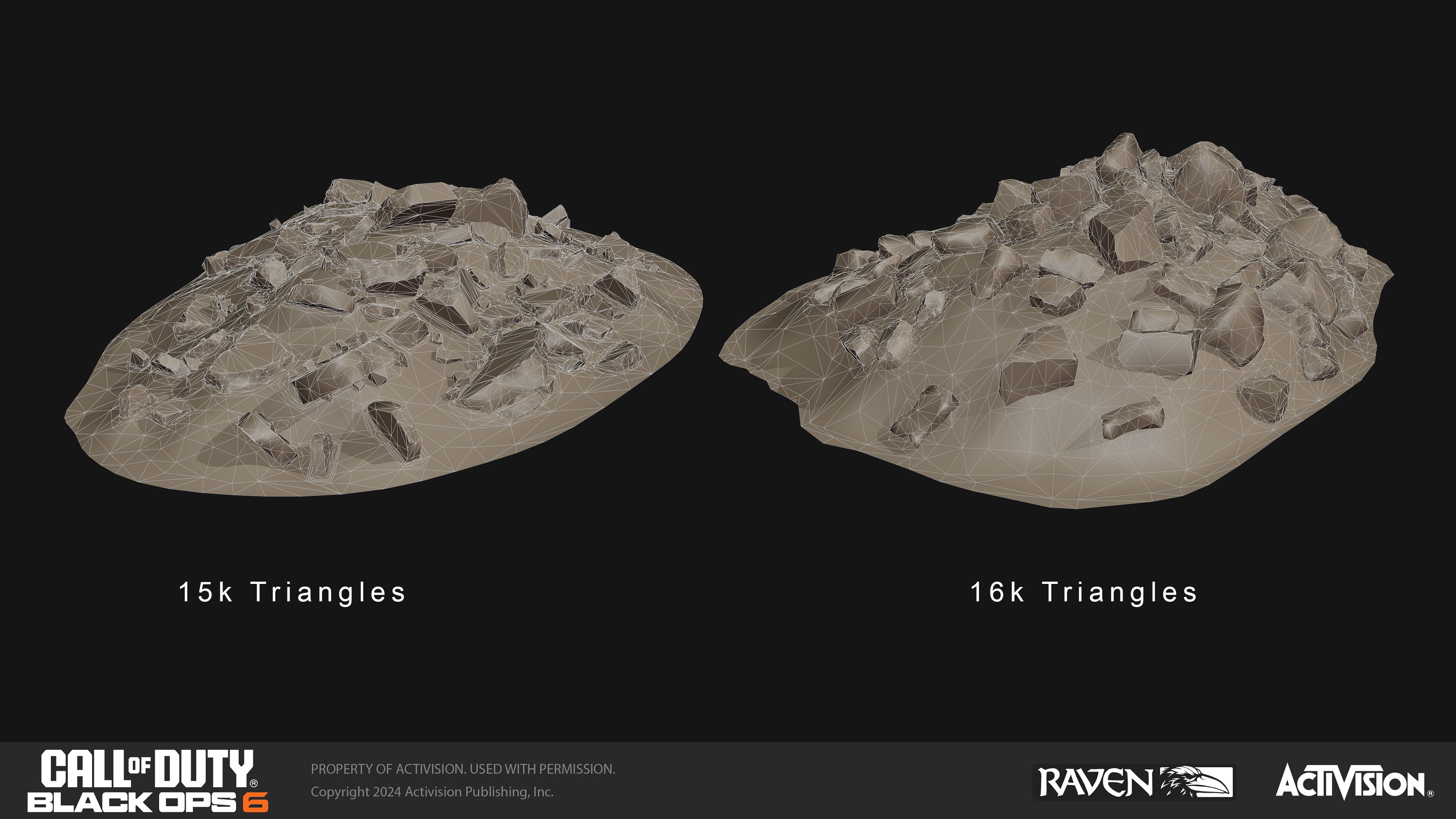
For the Hunting Season mission I worked closely with environment and tech art. I took existing individual scanned rocks, built the modular rock piles and debris systems, and used a procedural workflow for generating variations so the sandbox stayed authentic without overwhelming performance.
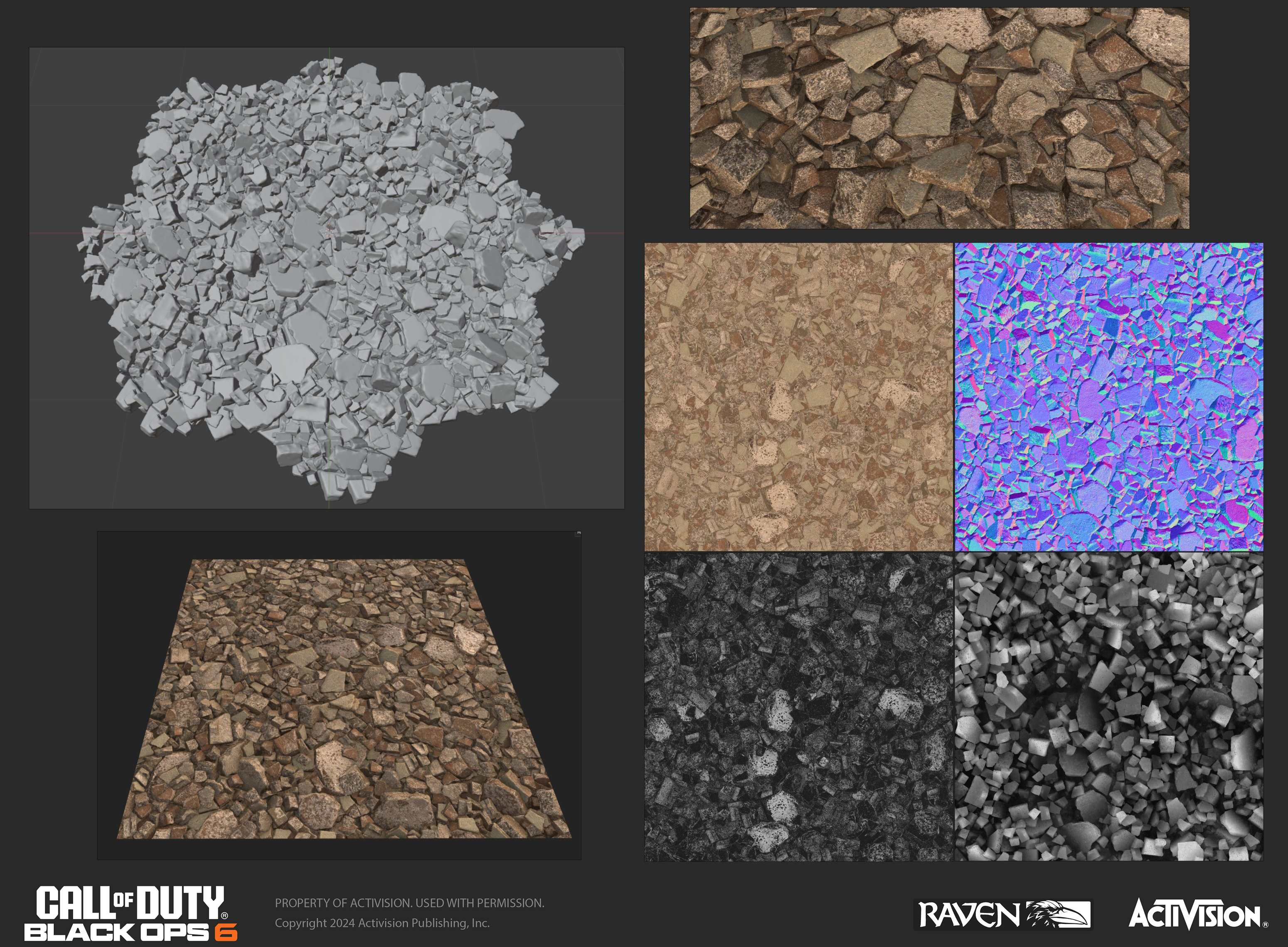
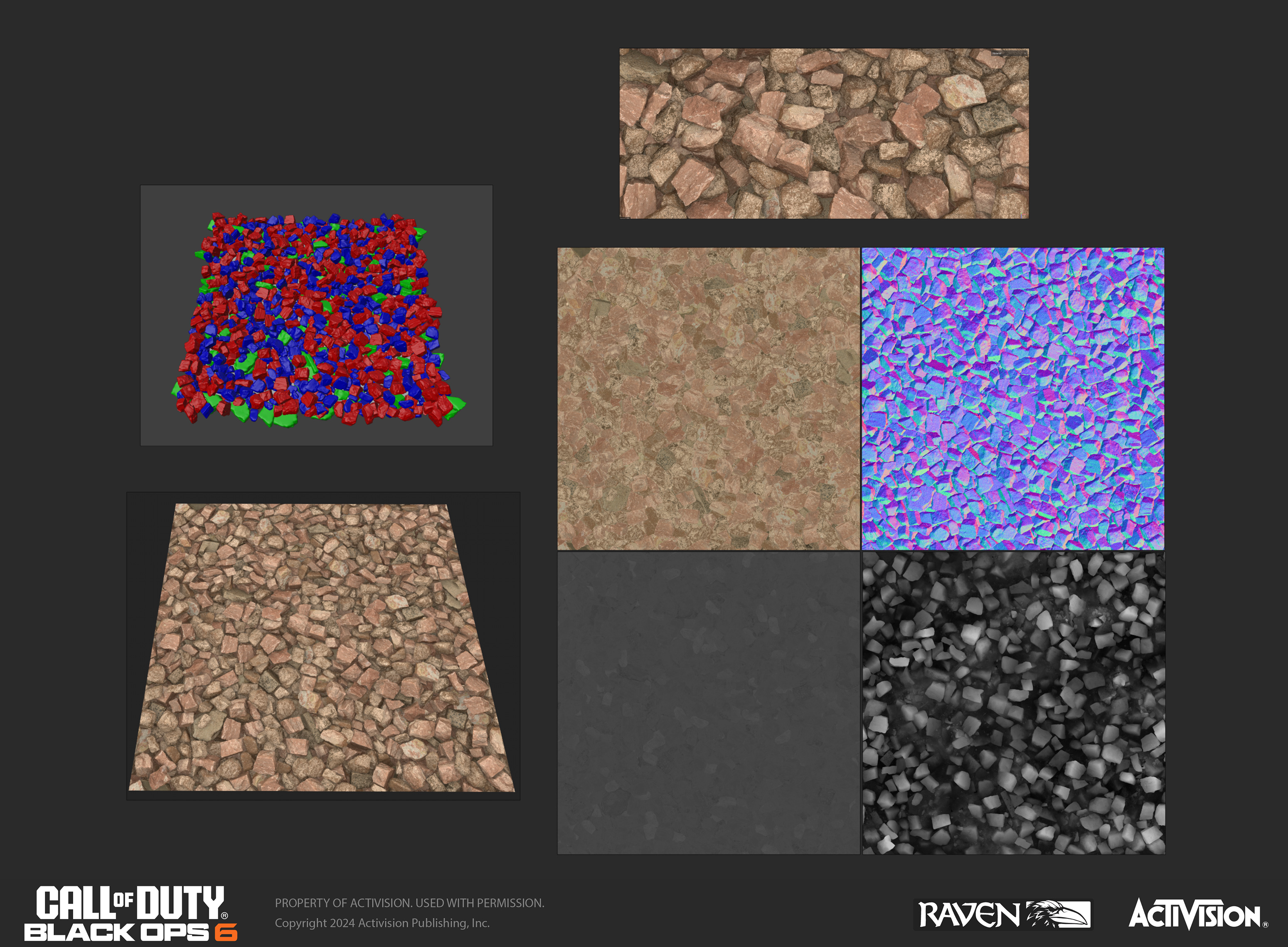
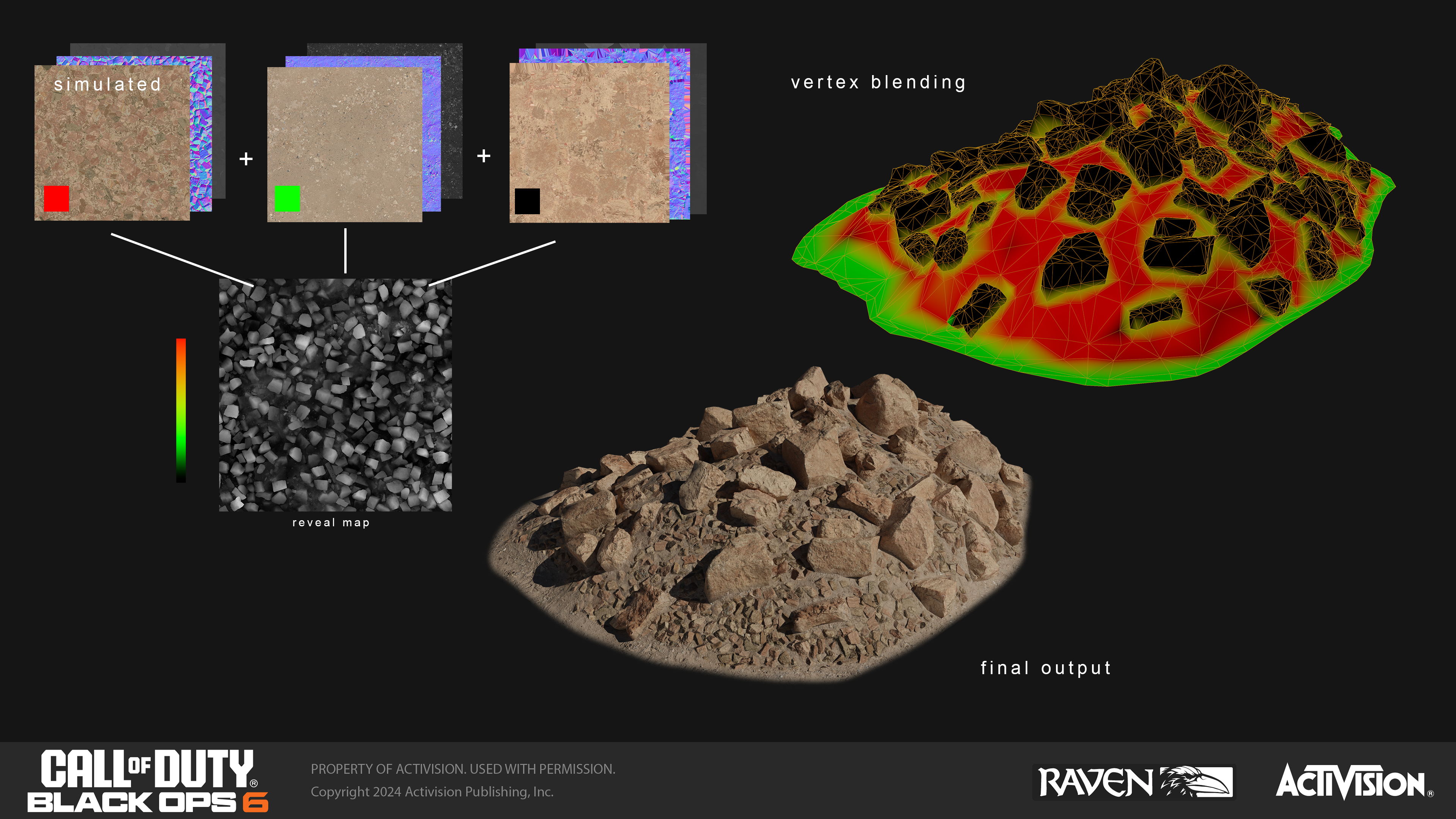
The process began with optimizing individual scanned rocks and refining their textures and materials to match the tone and lighting of the desert environment. Once the base assets were ready, I used particle instances and physics simulations to study how rocks would naturally settle and distribute across terrain surfaces. The piles were structured in layers—starting with large foundation rocks, followed by medium and smaller debris to add density and visual interest. Each pile was assembled using individual scans, refined through multiple iterations to achieve strong silhouettes and composition from every gameplay angle. After finalizing the shapes, I developed materials using the same scan data to ensure consistency and visual harmony across the scene.
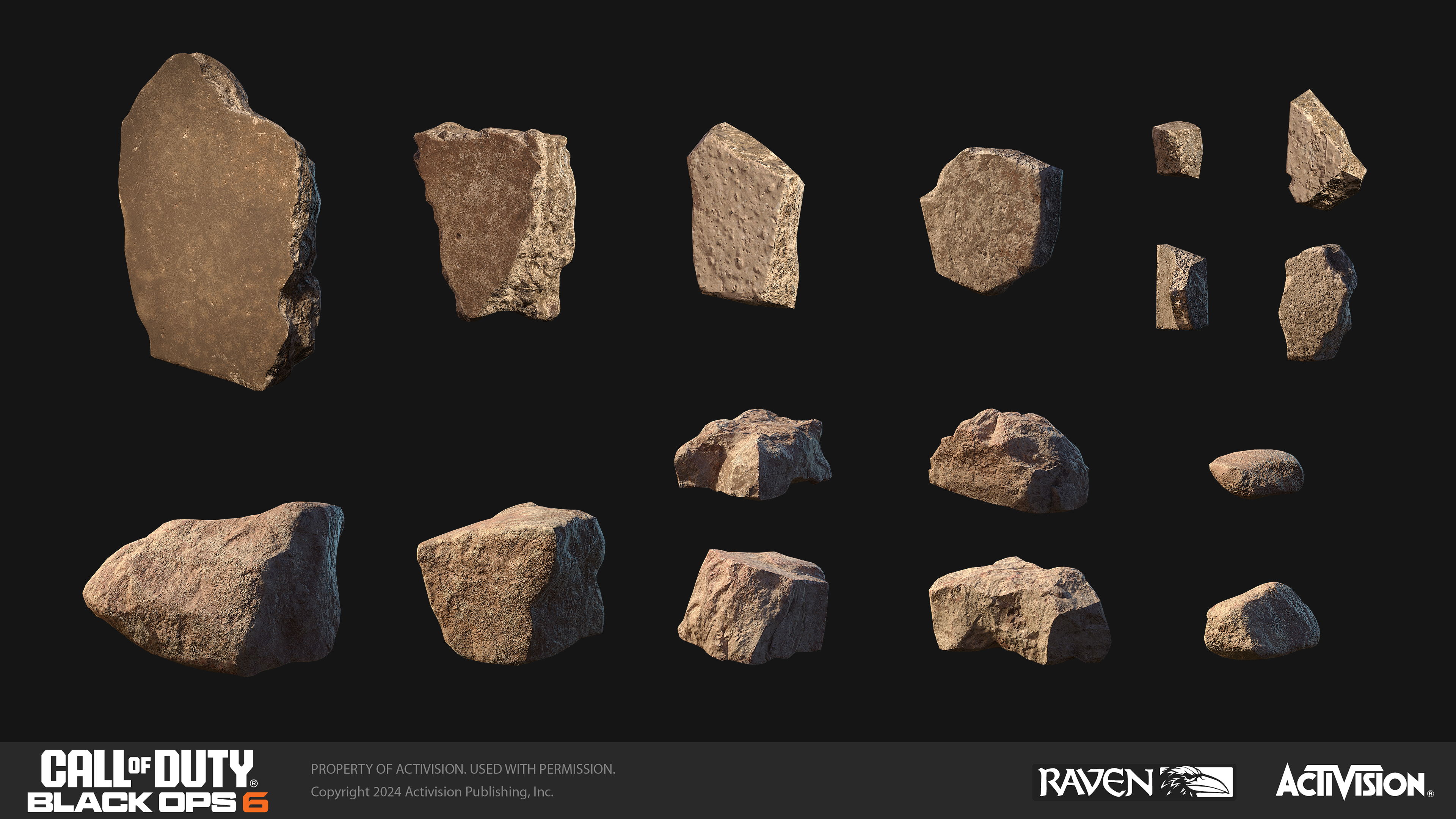
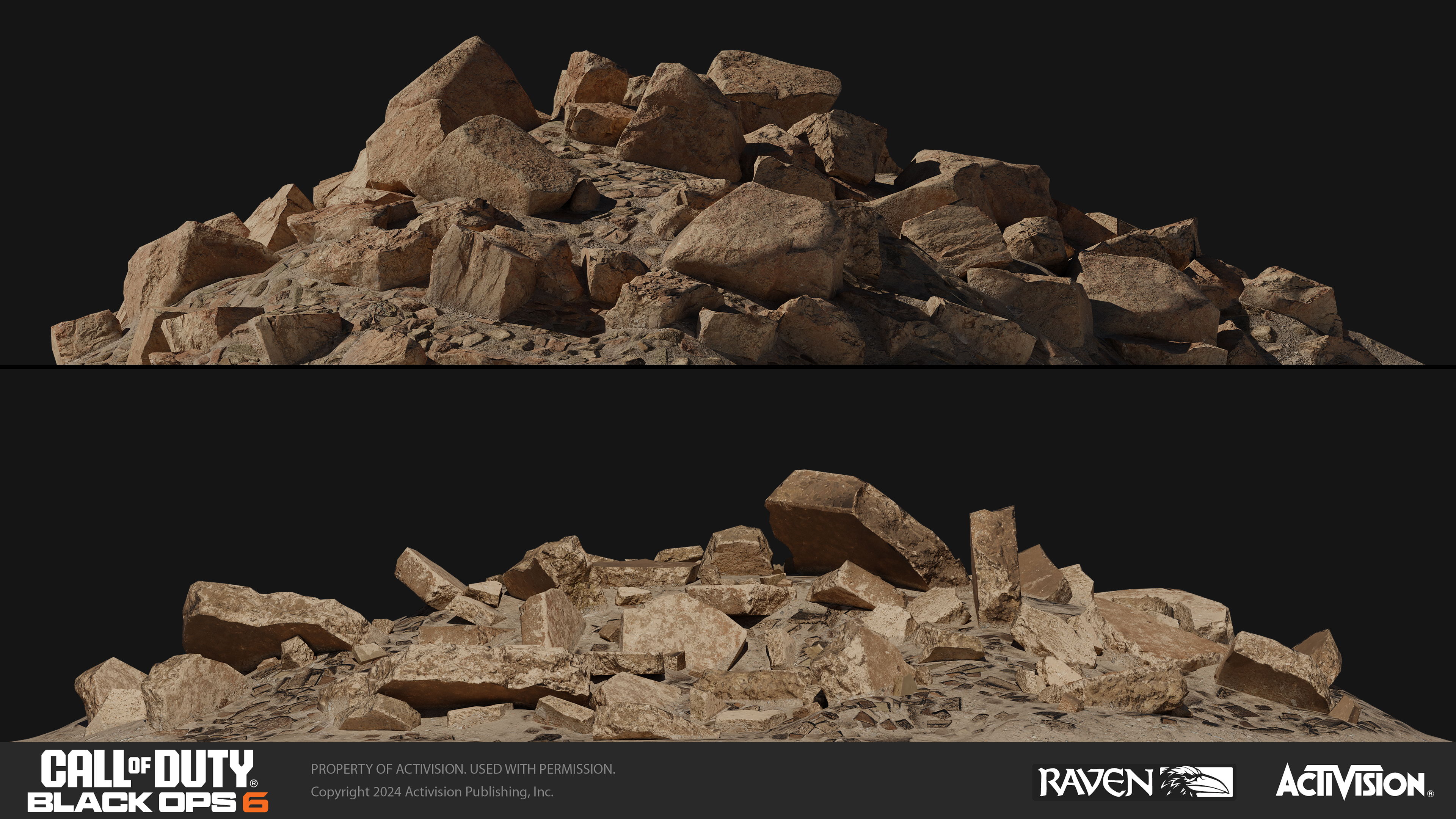
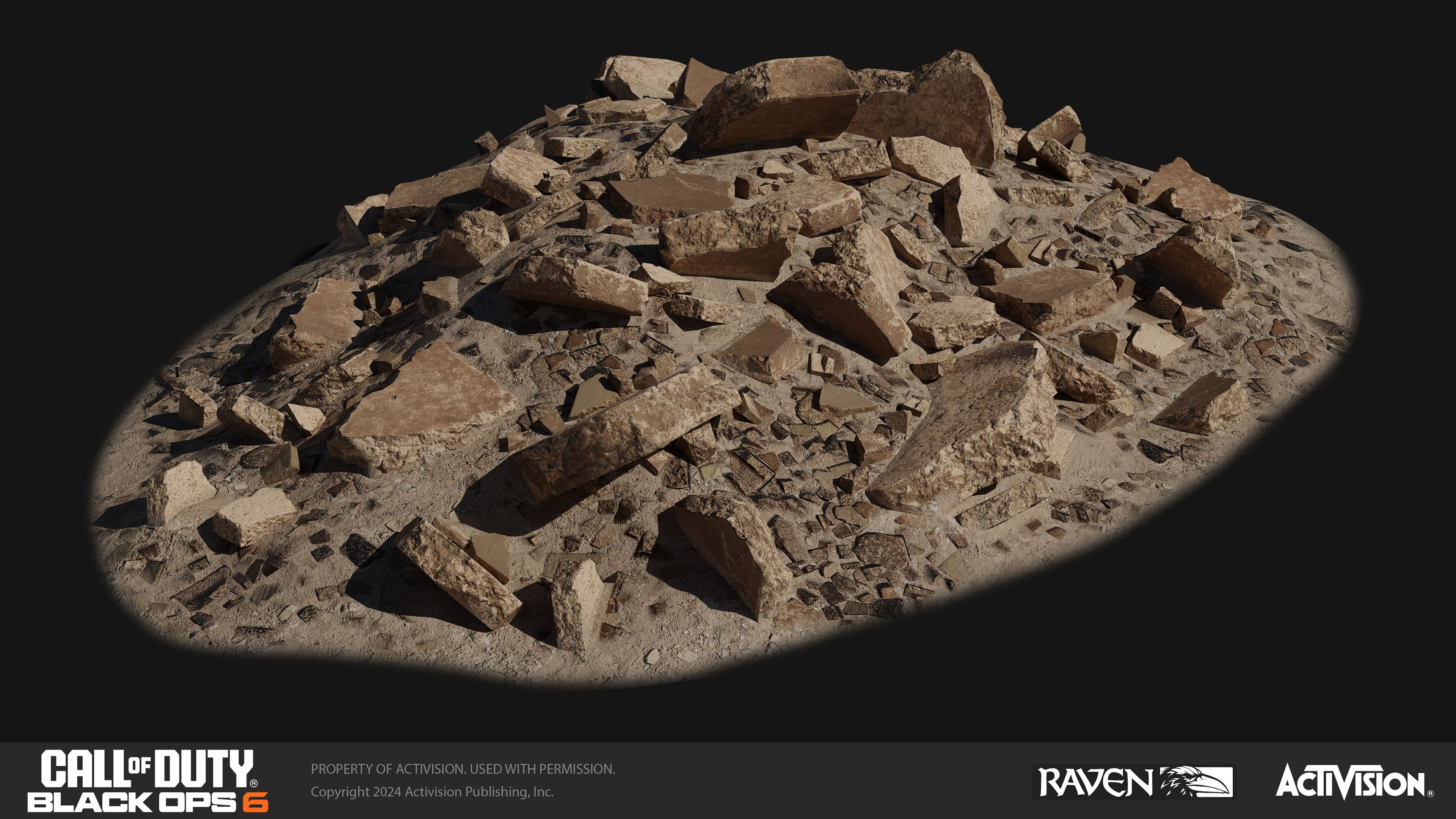
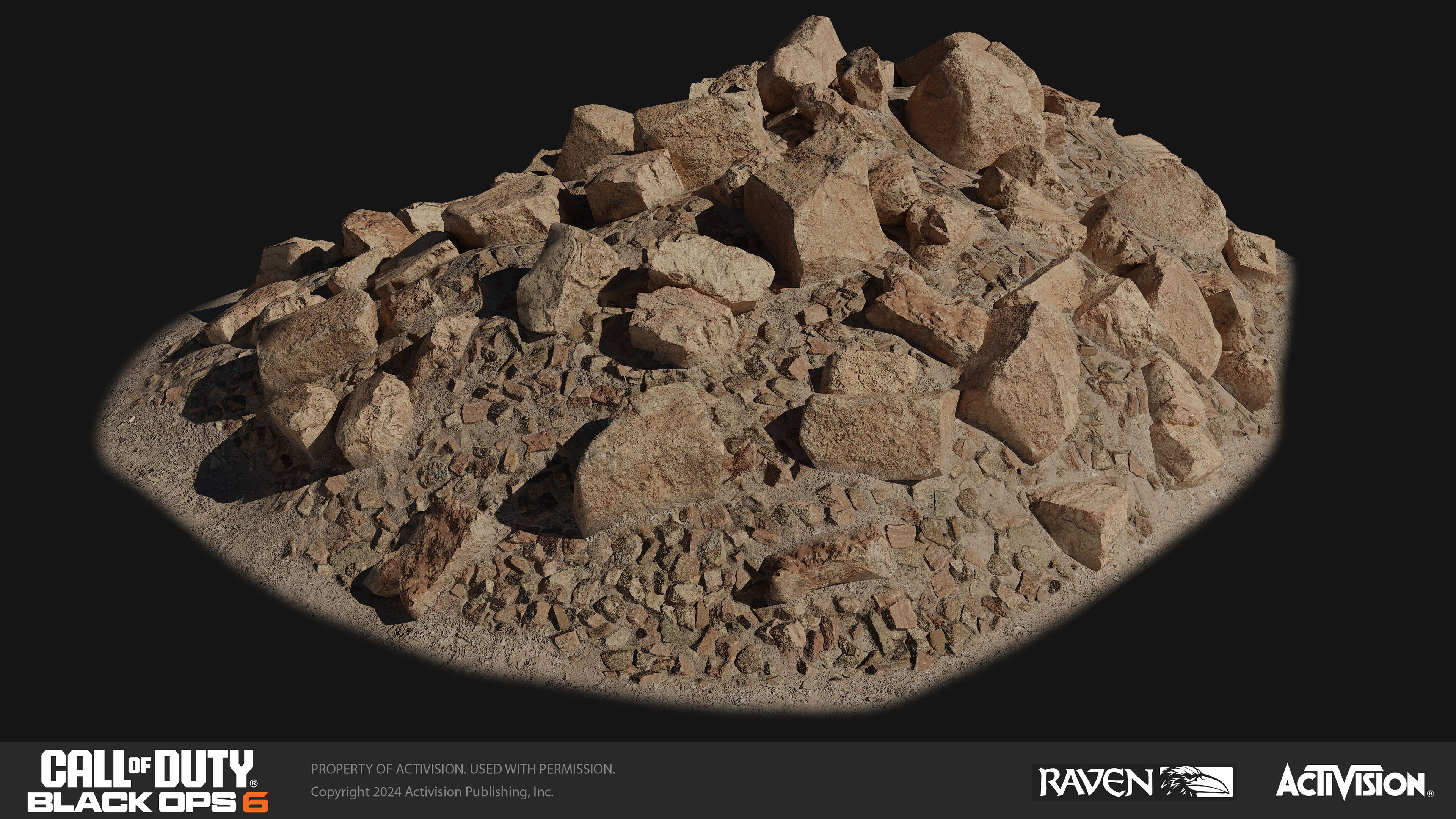
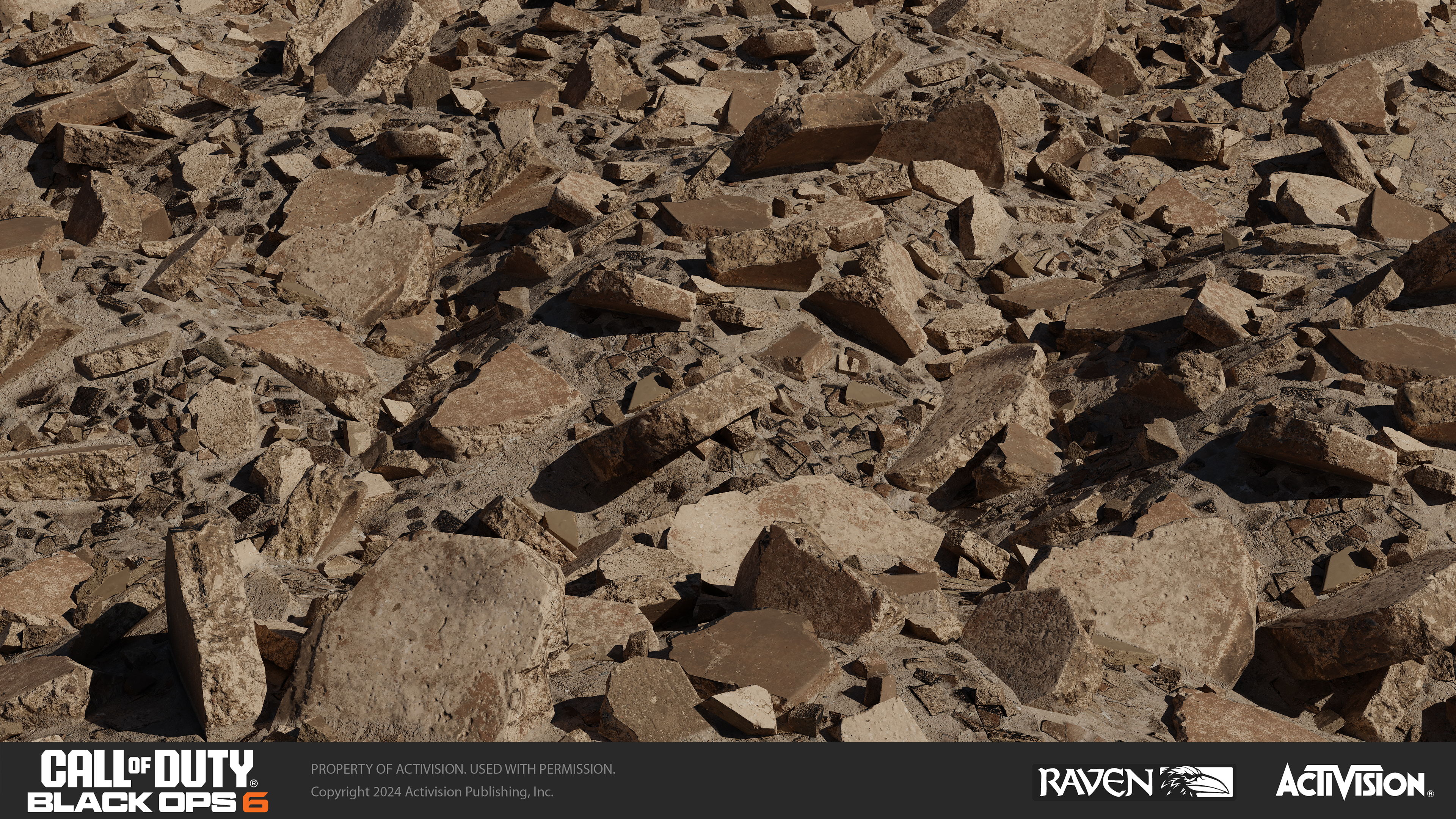
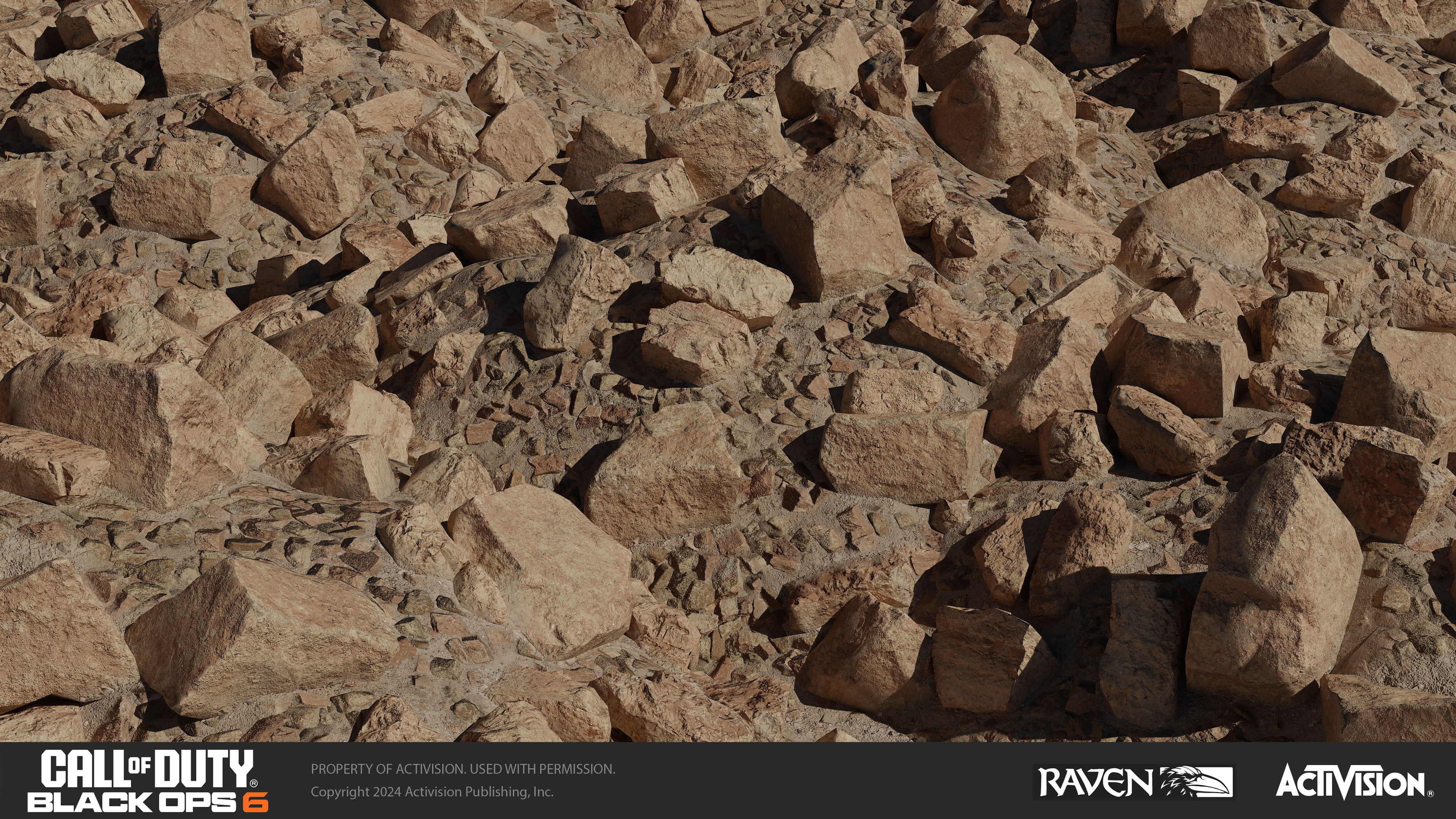
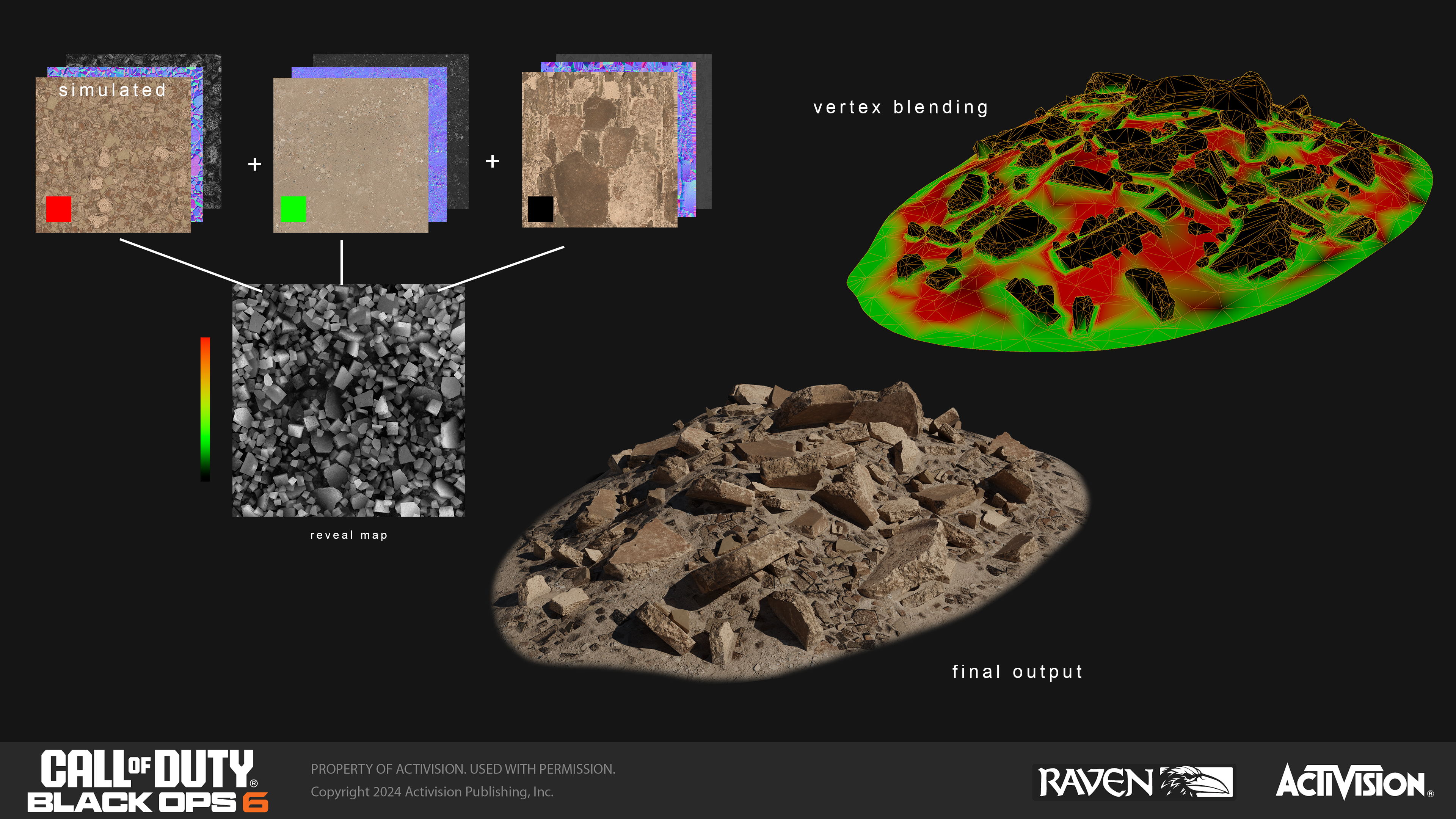
Using the scanned assets as a base, I created a series of material variations to serve as the primary layer beneath the larger rock piles. Through iterative testing, I adjusted simulation outcomes and material layering to achieve a believable distribution and tonal balance that matched the desert setting. From the simulated material data, I also generated a reveal map leveraging a custom Substance Designer node setup that naturally blended the rocks with finer soil layers, giving the formations a more grounded and cohesive appearance.
I then leveraged vertex blending to combine different material layers with the base layer, enhancing depth and variation across each pile. As the workflow evolved, I semi-automated the process, enabling quick generation of new formations through adjustable parameters. These optimized rock piles were distributed strategically across the map, helping maintain high visual fidelity while improving overall performance and production efficiency.
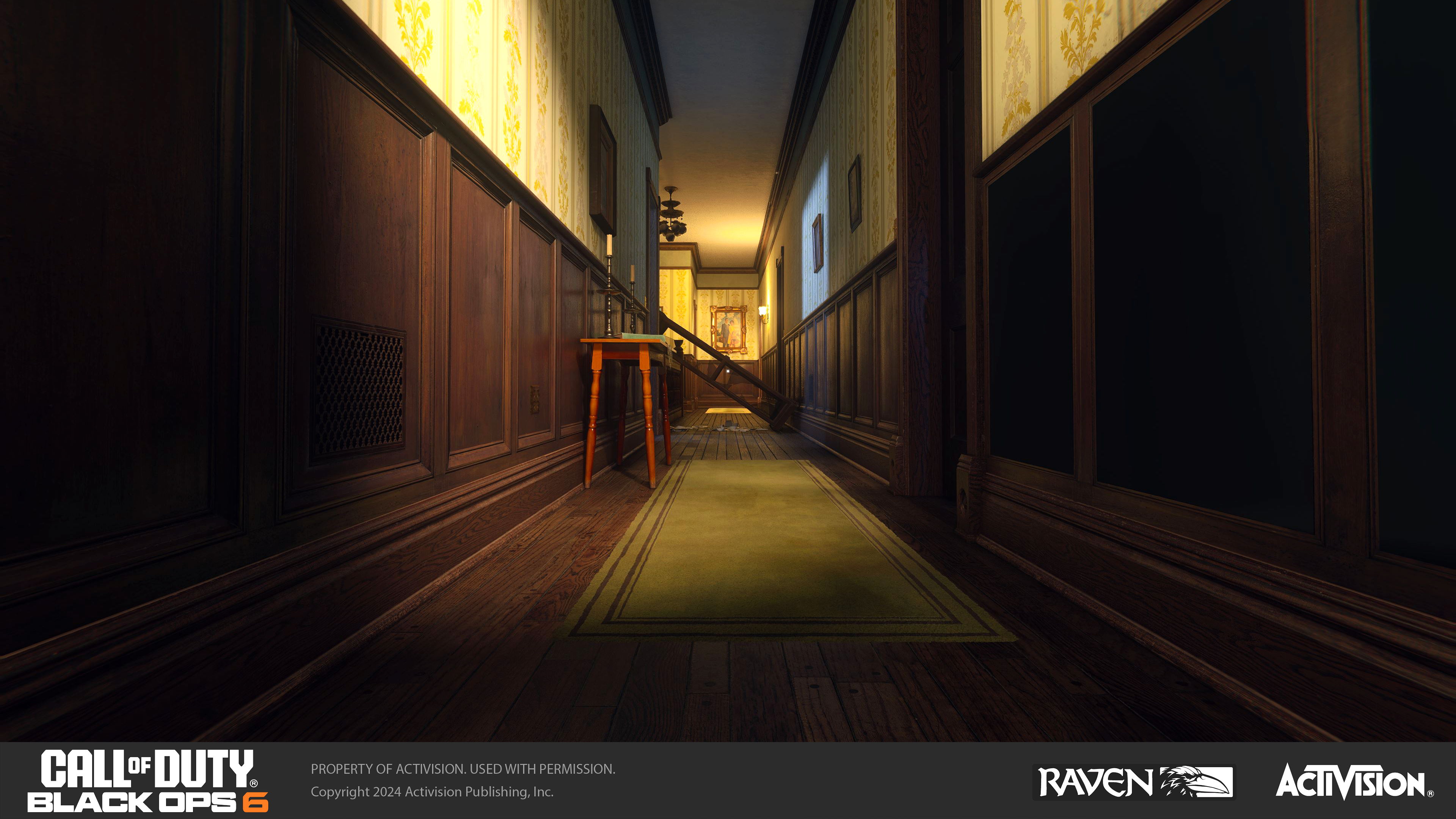
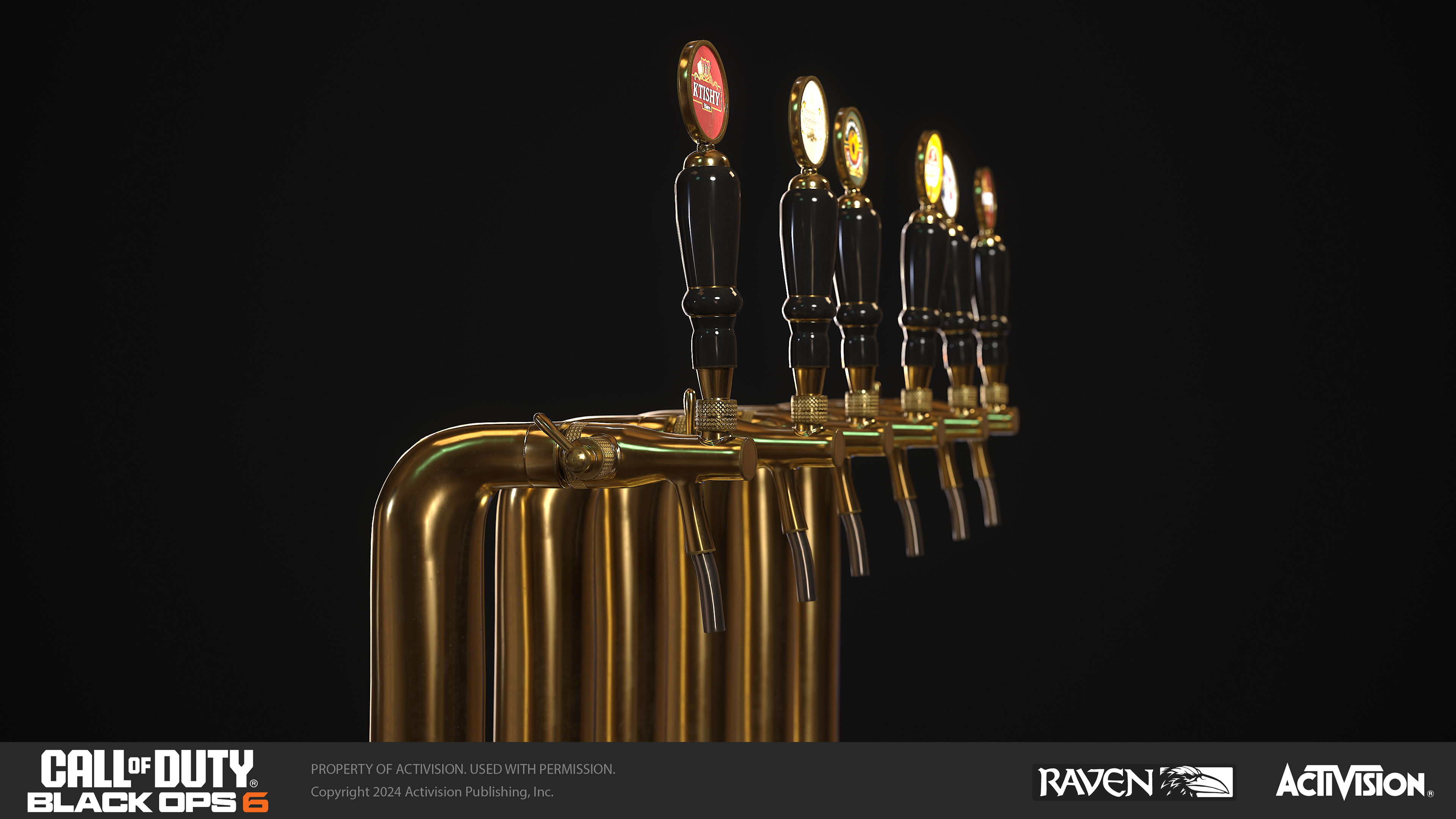
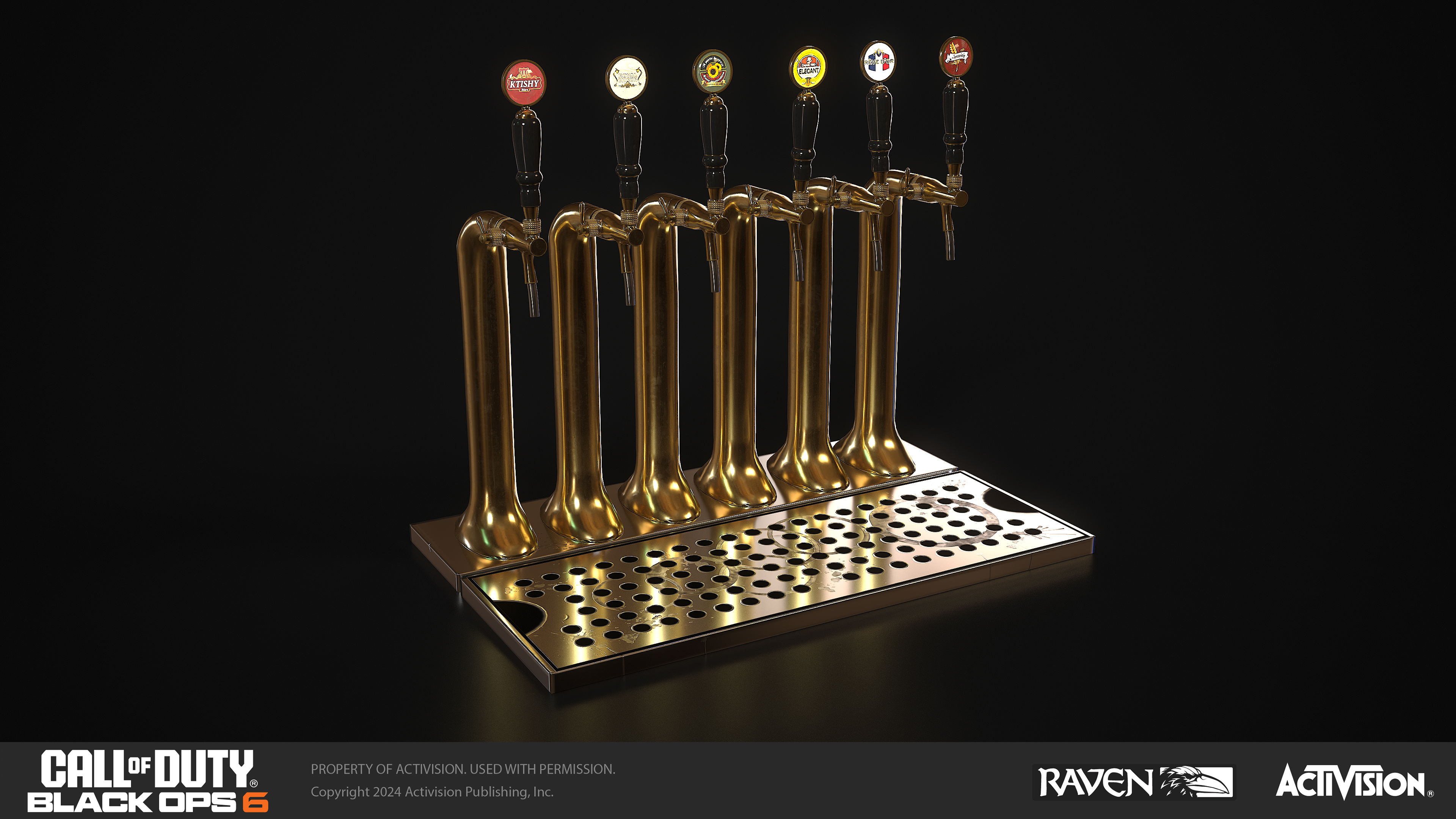
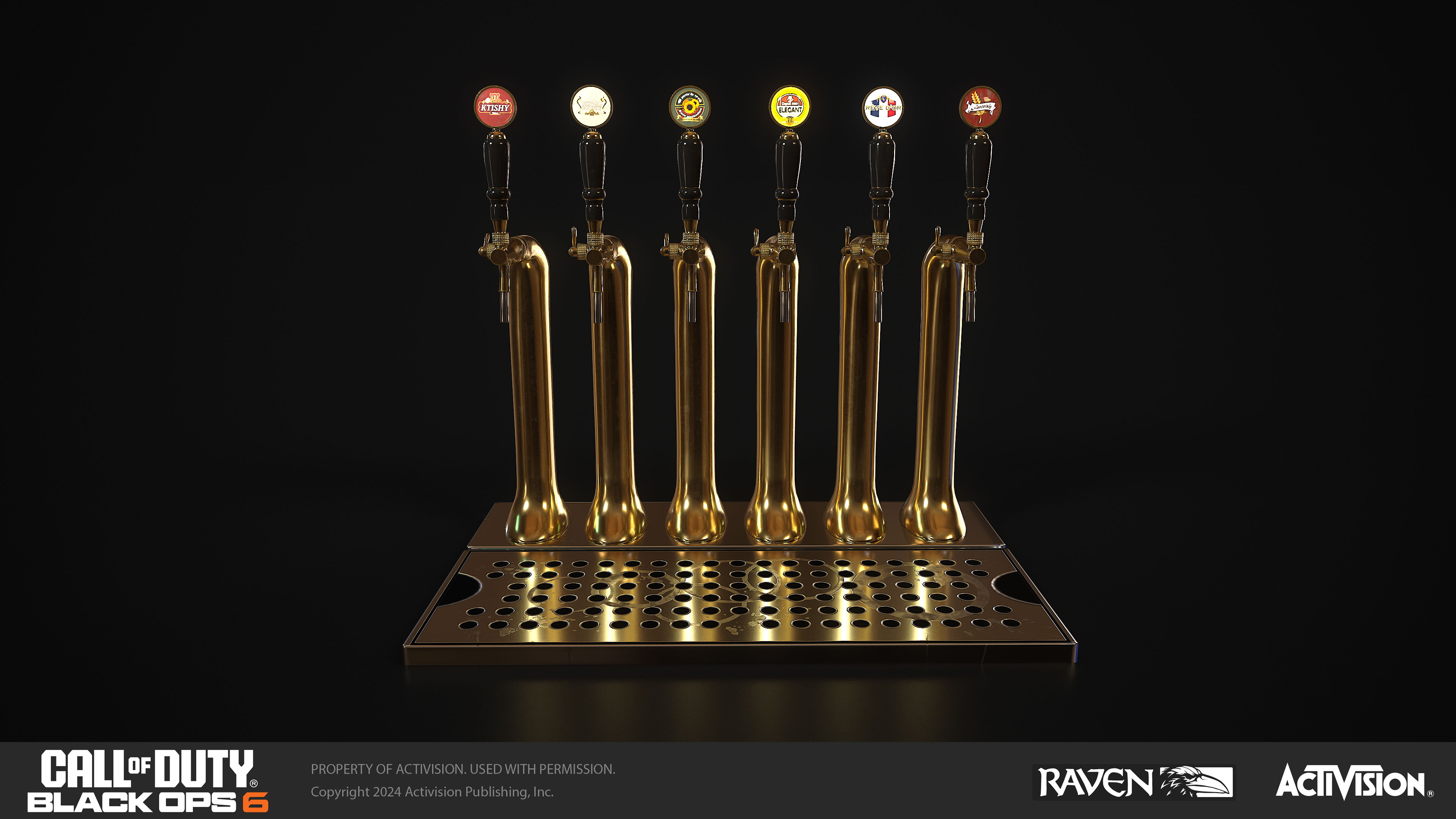
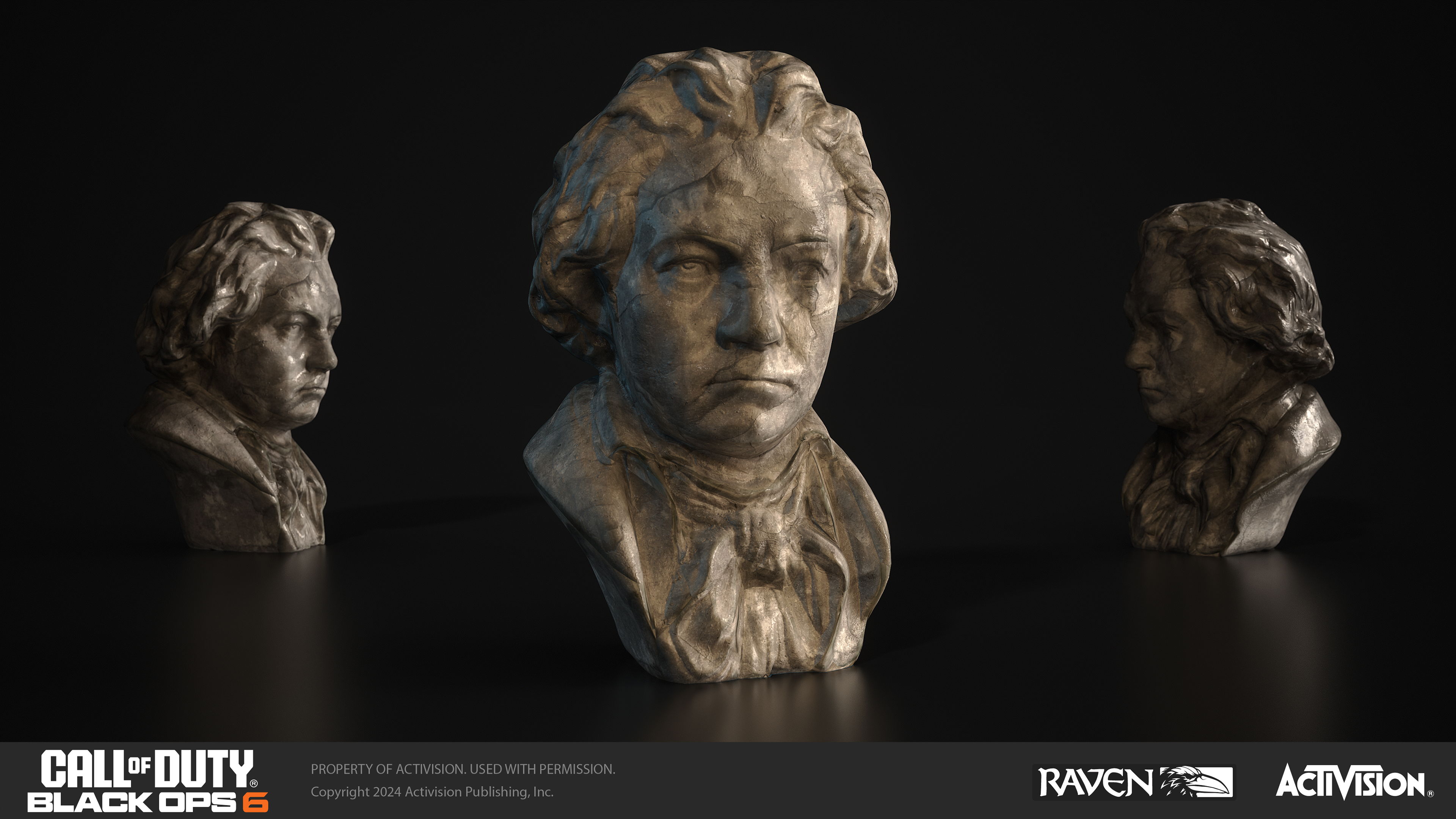
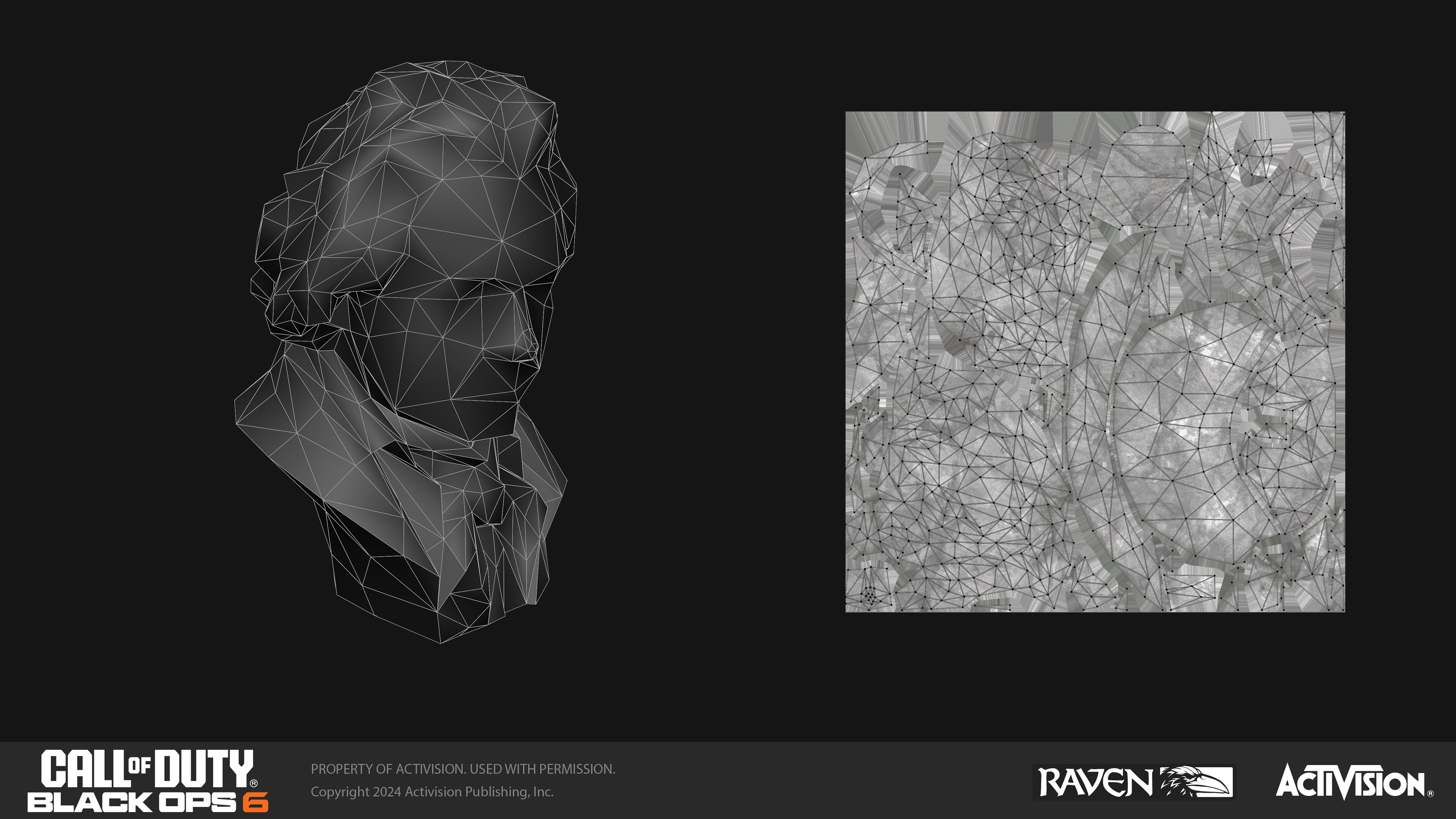
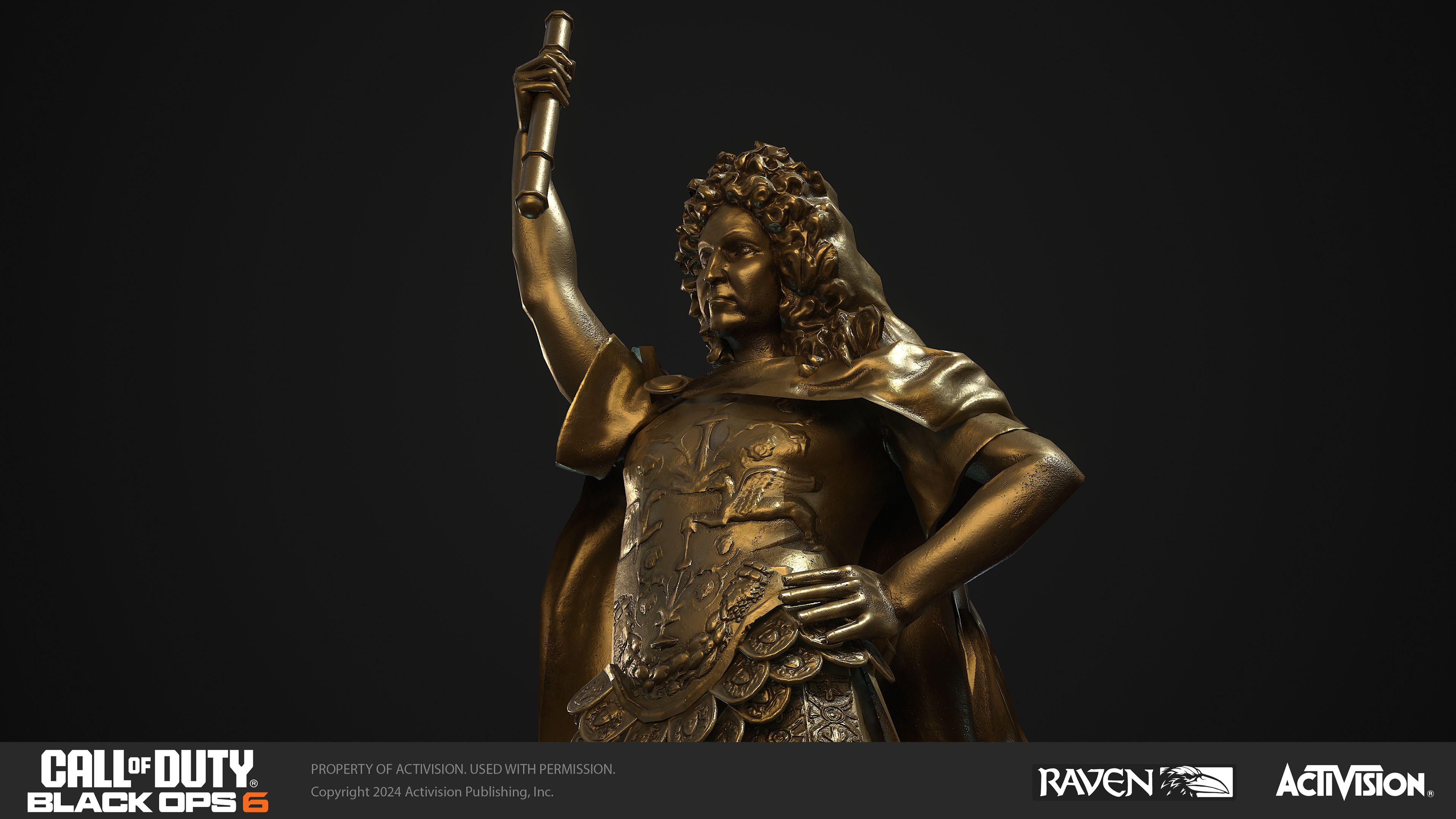
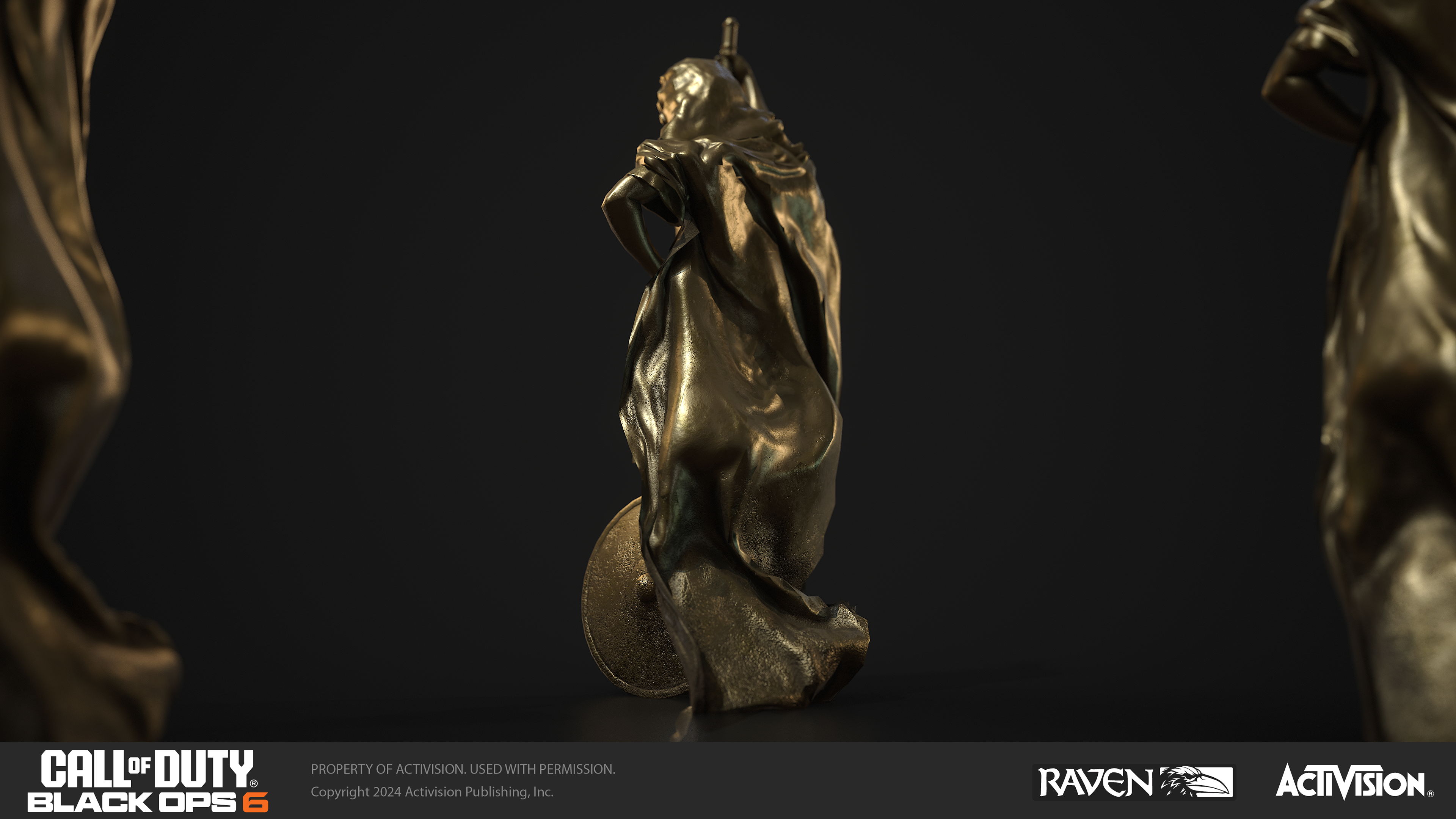
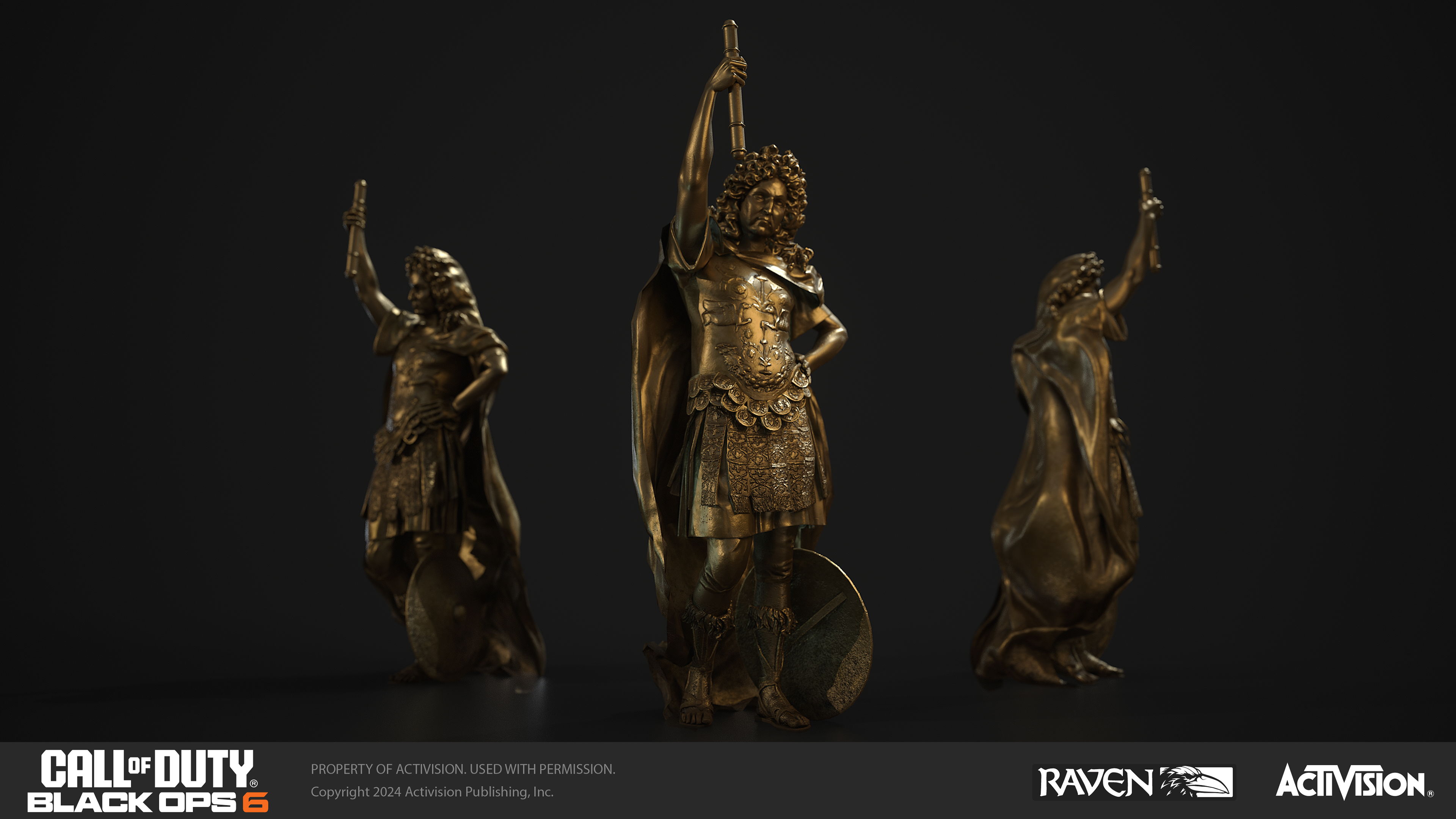
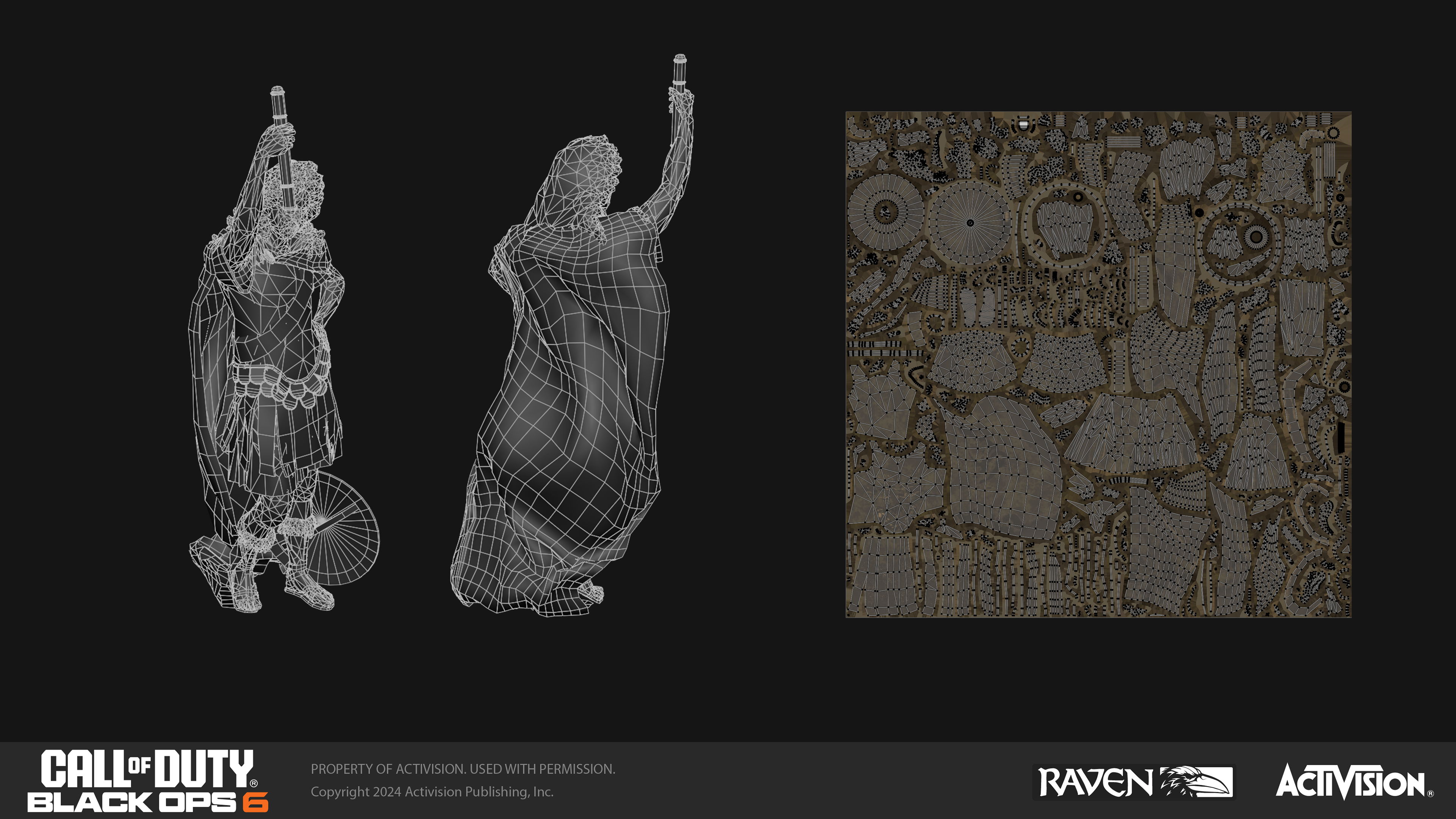
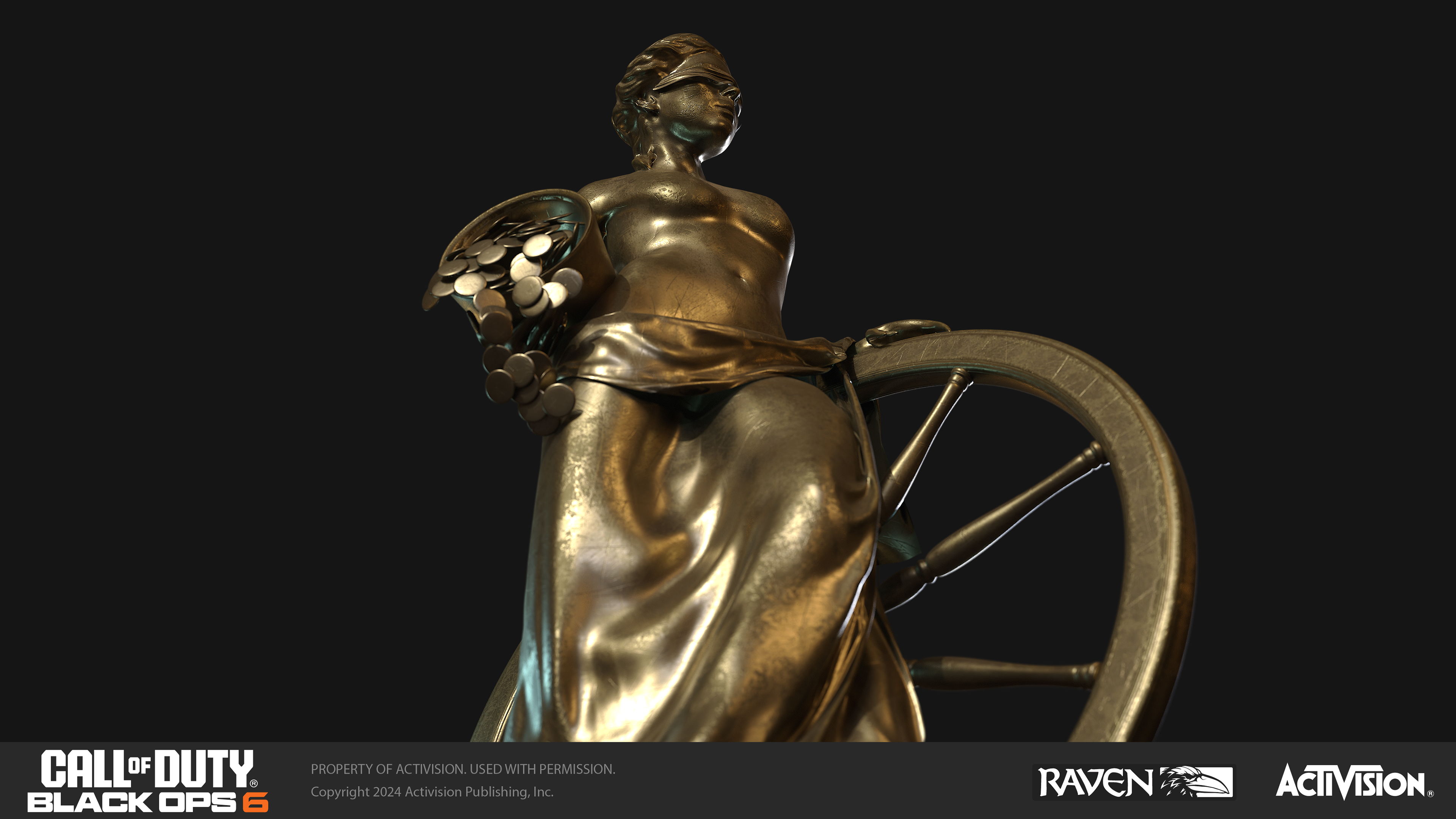
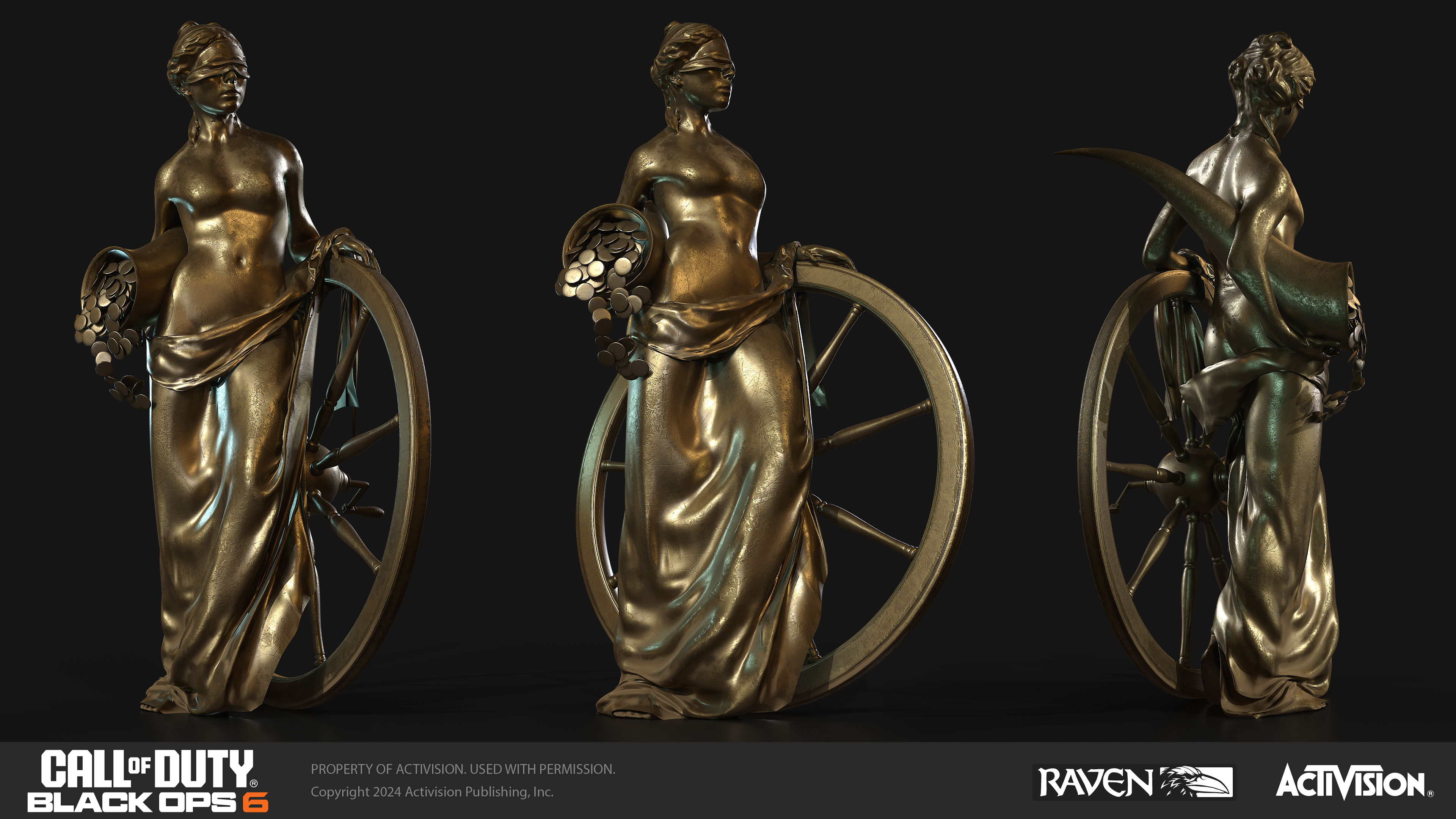
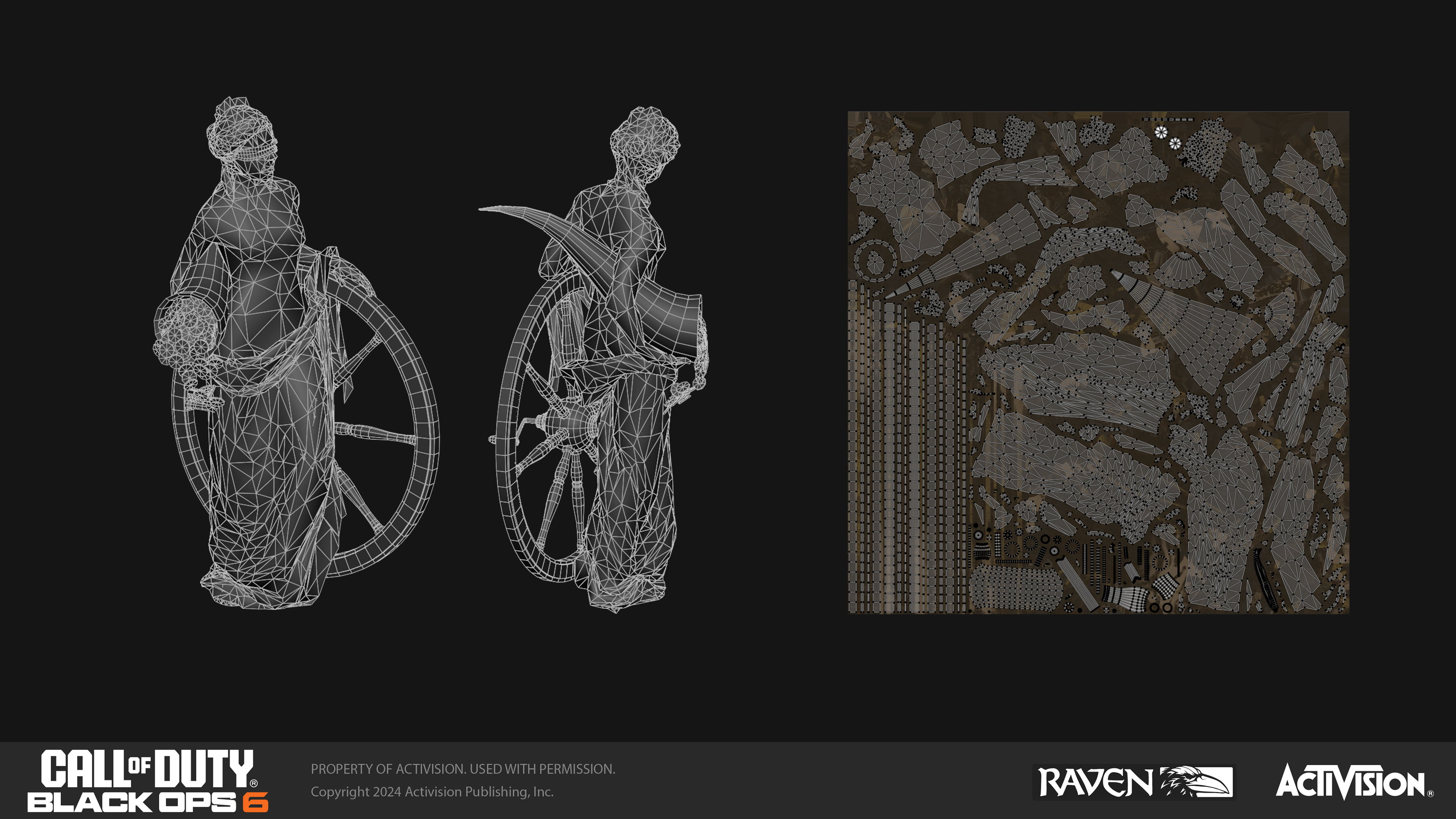
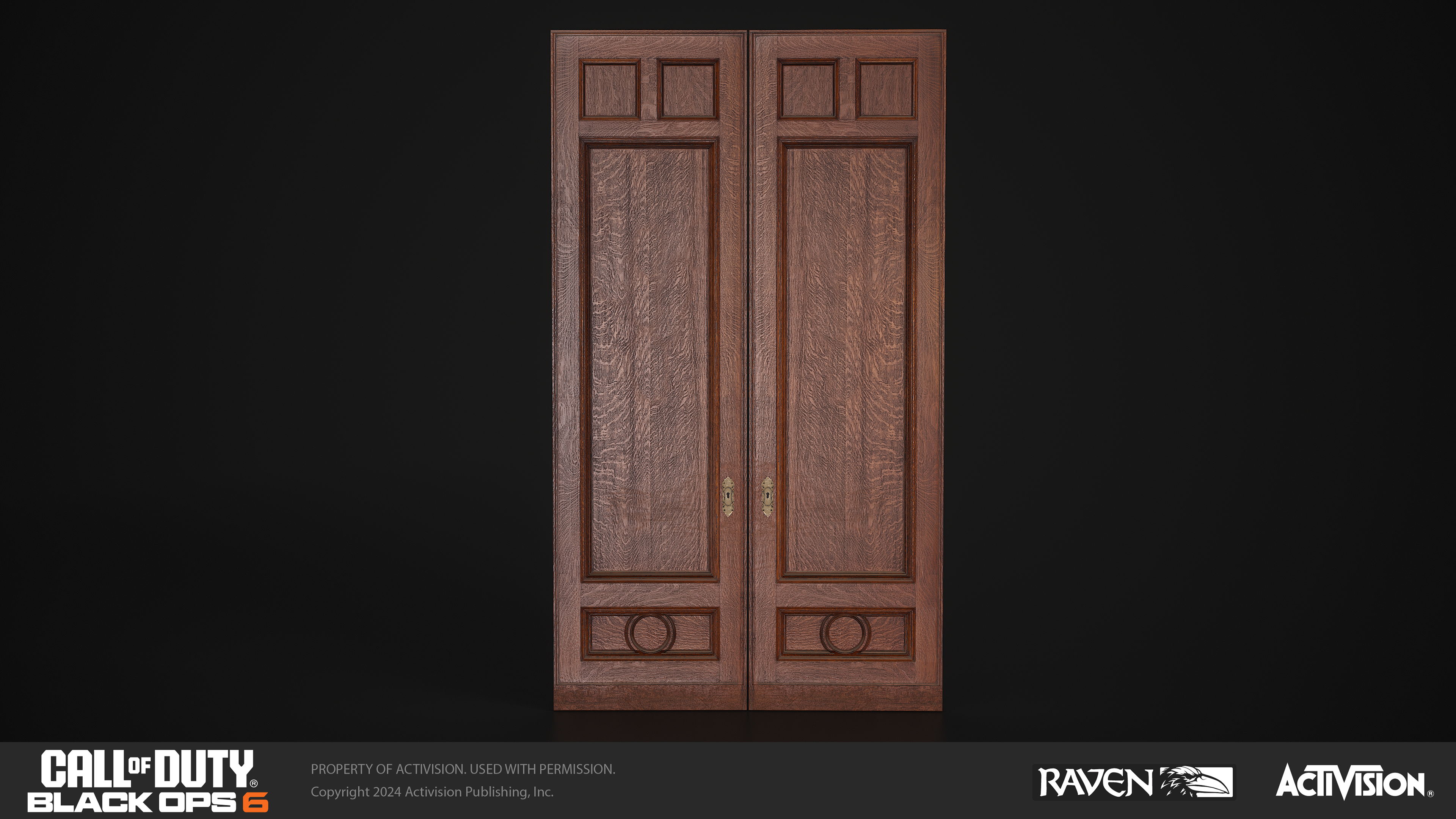
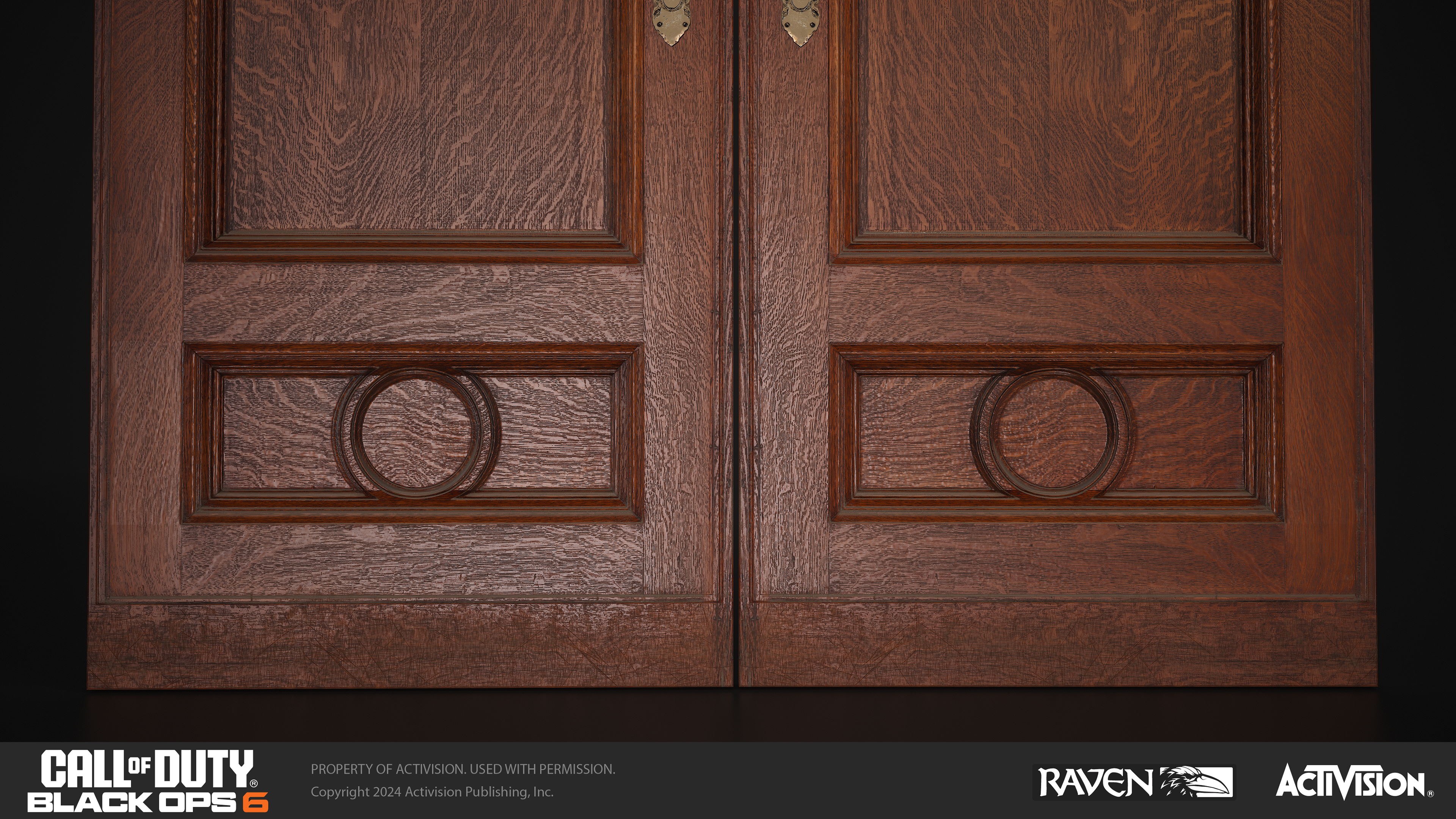
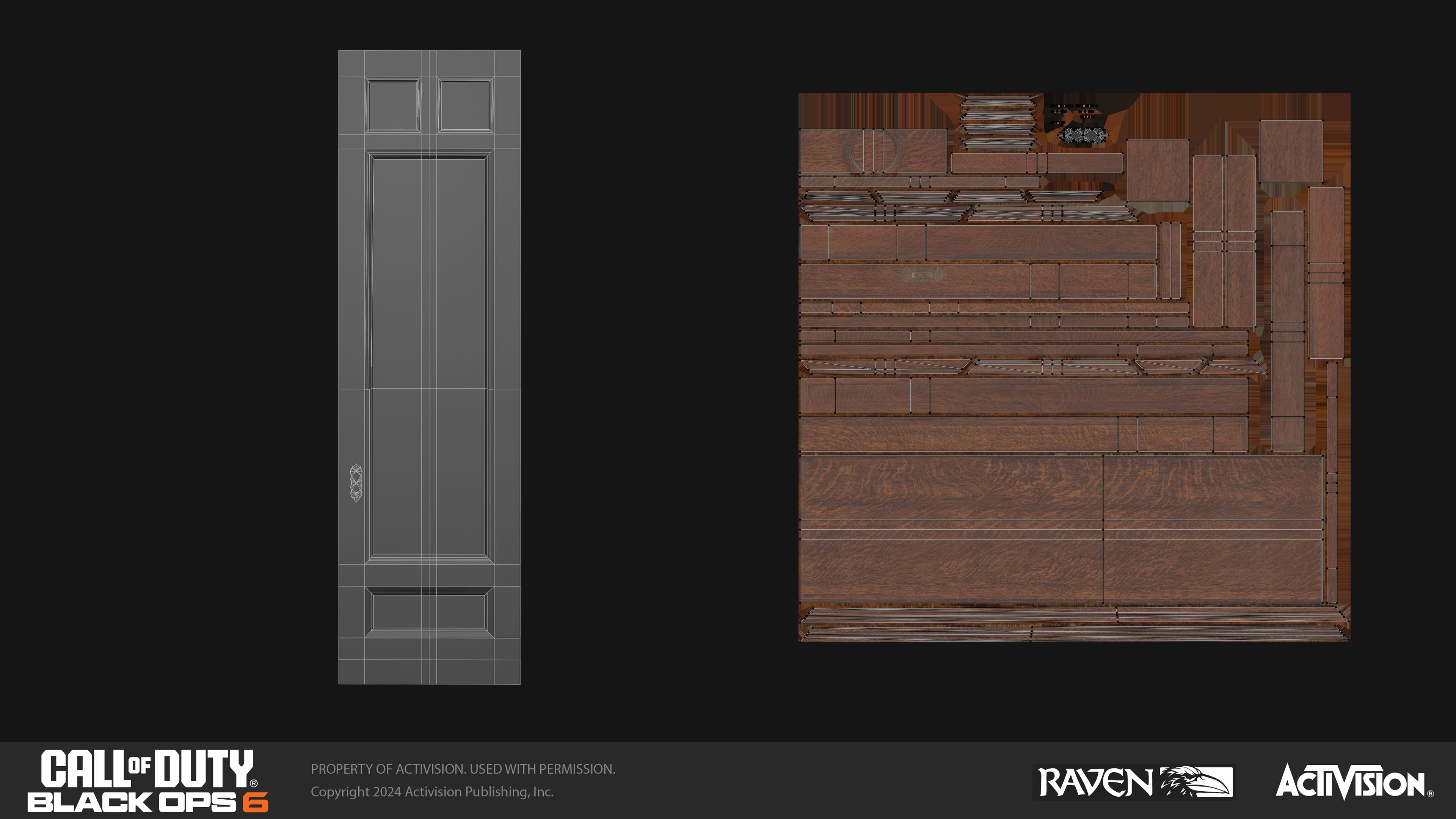
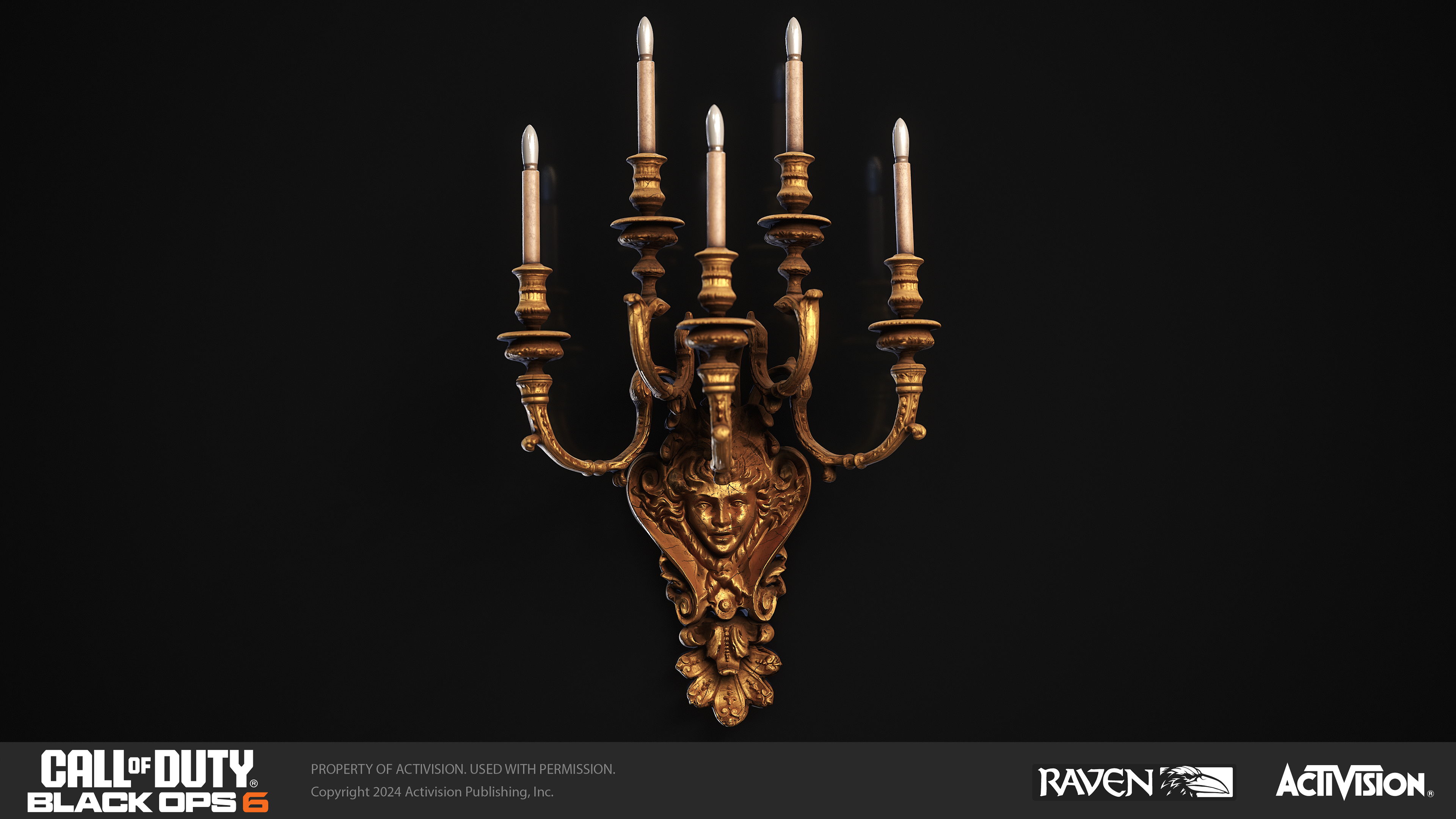
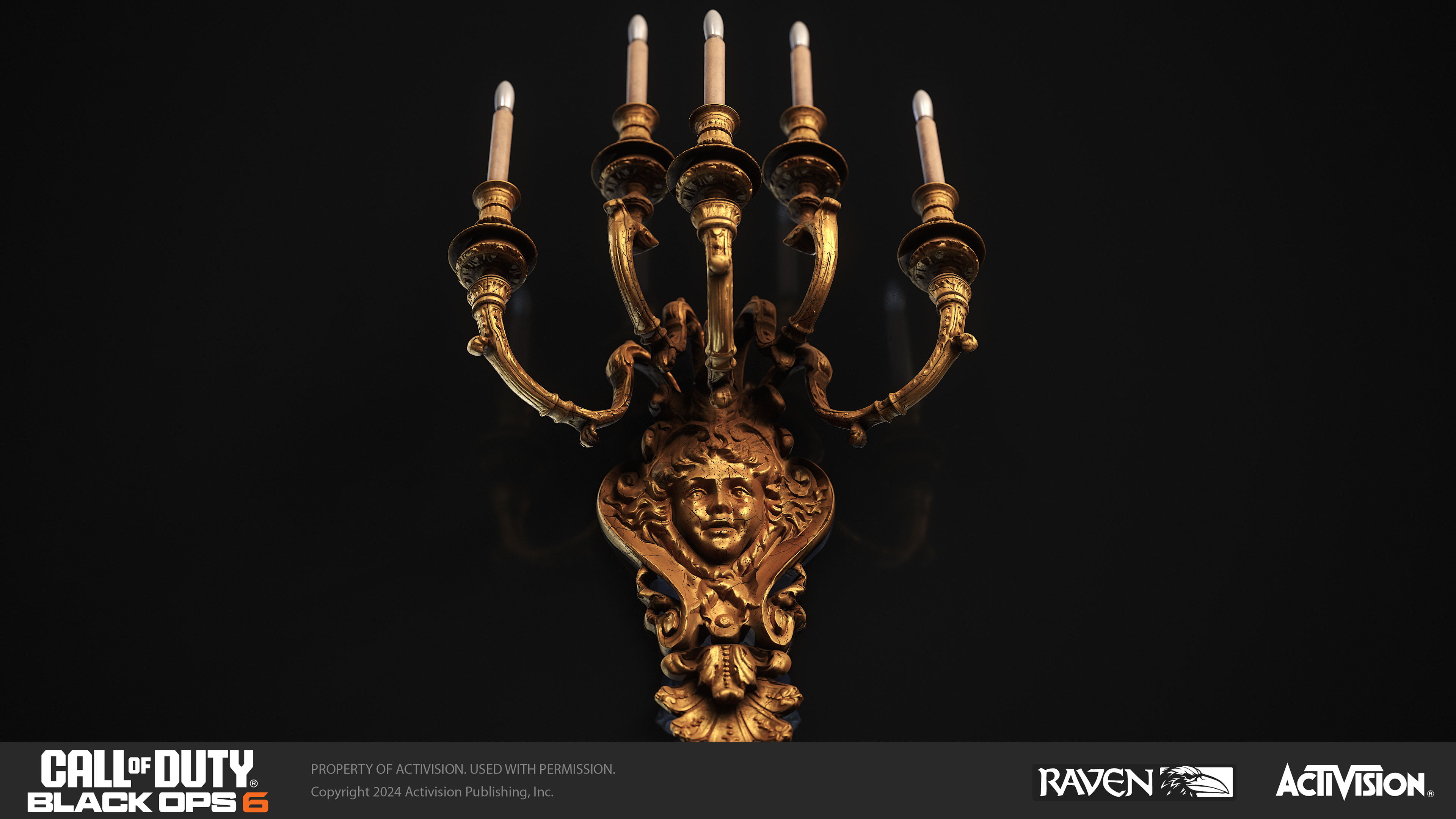
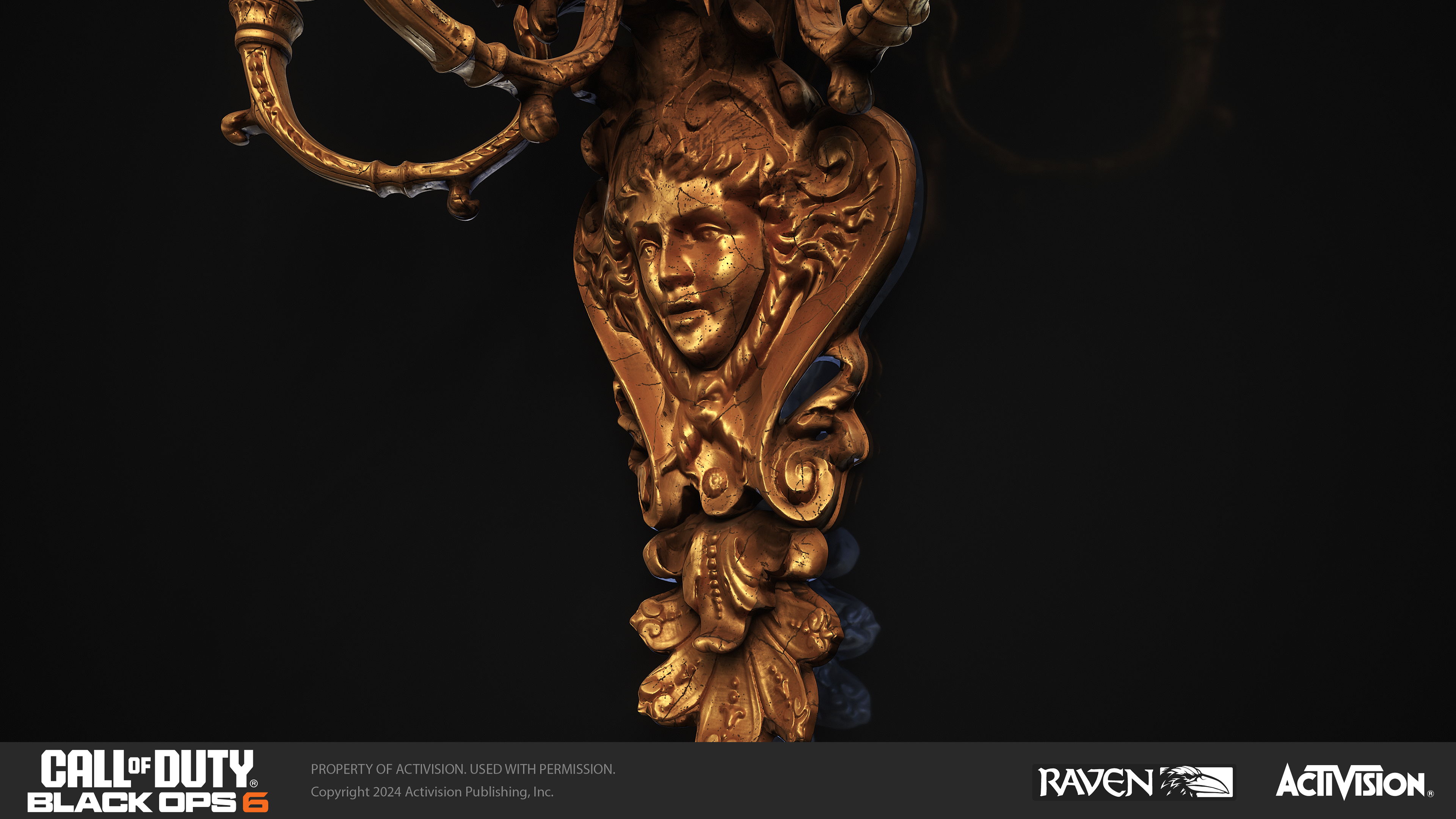
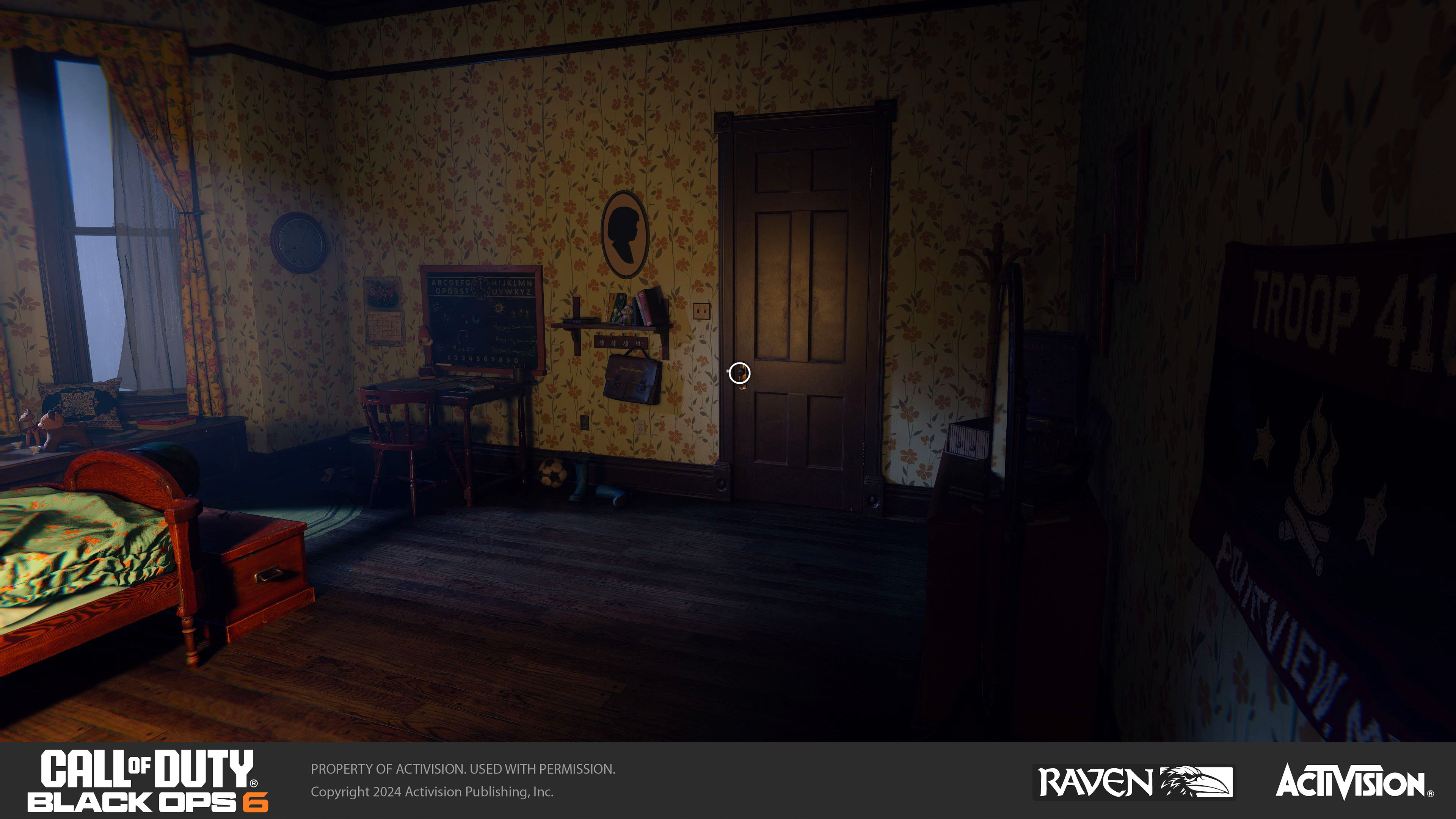
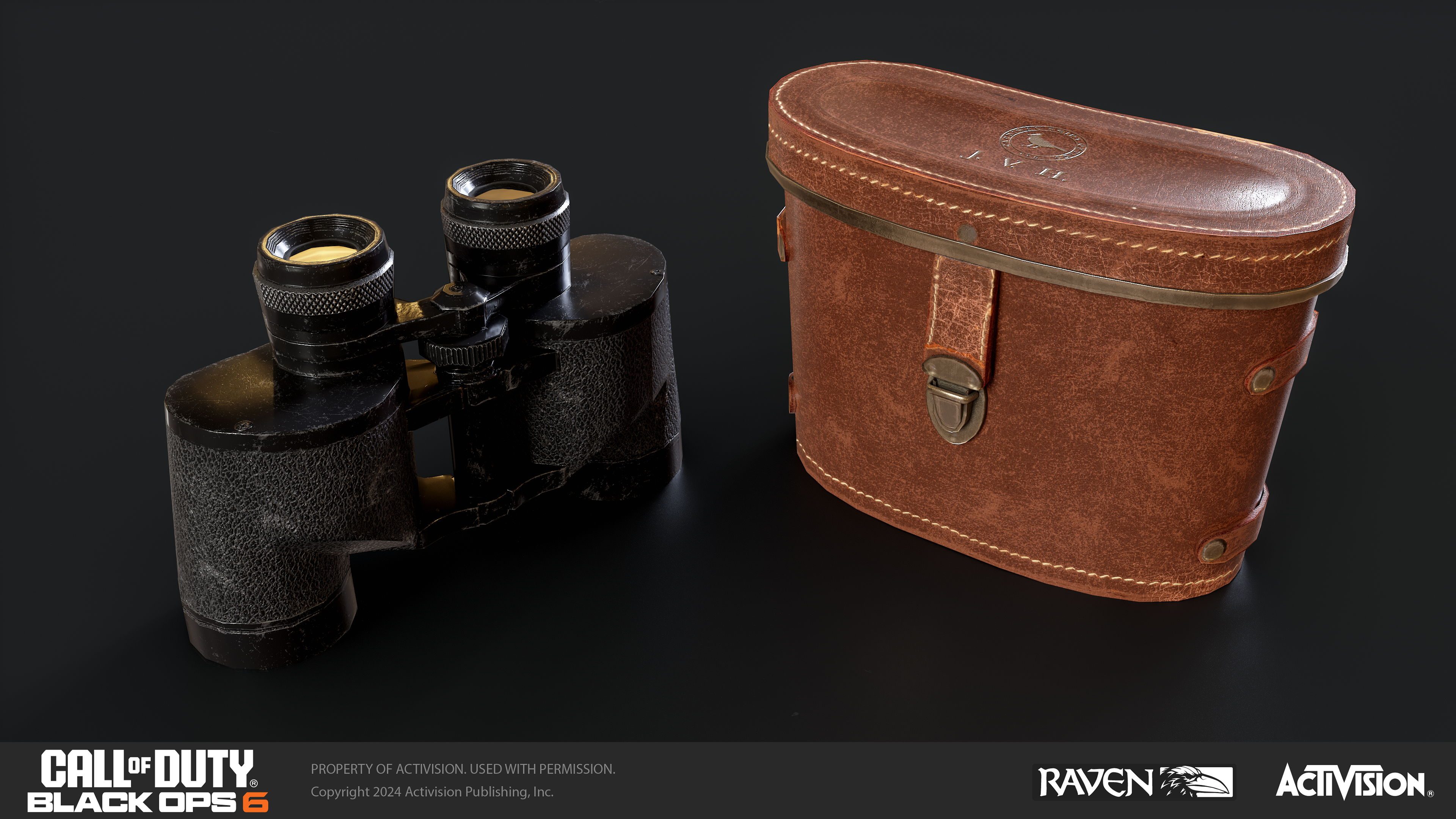
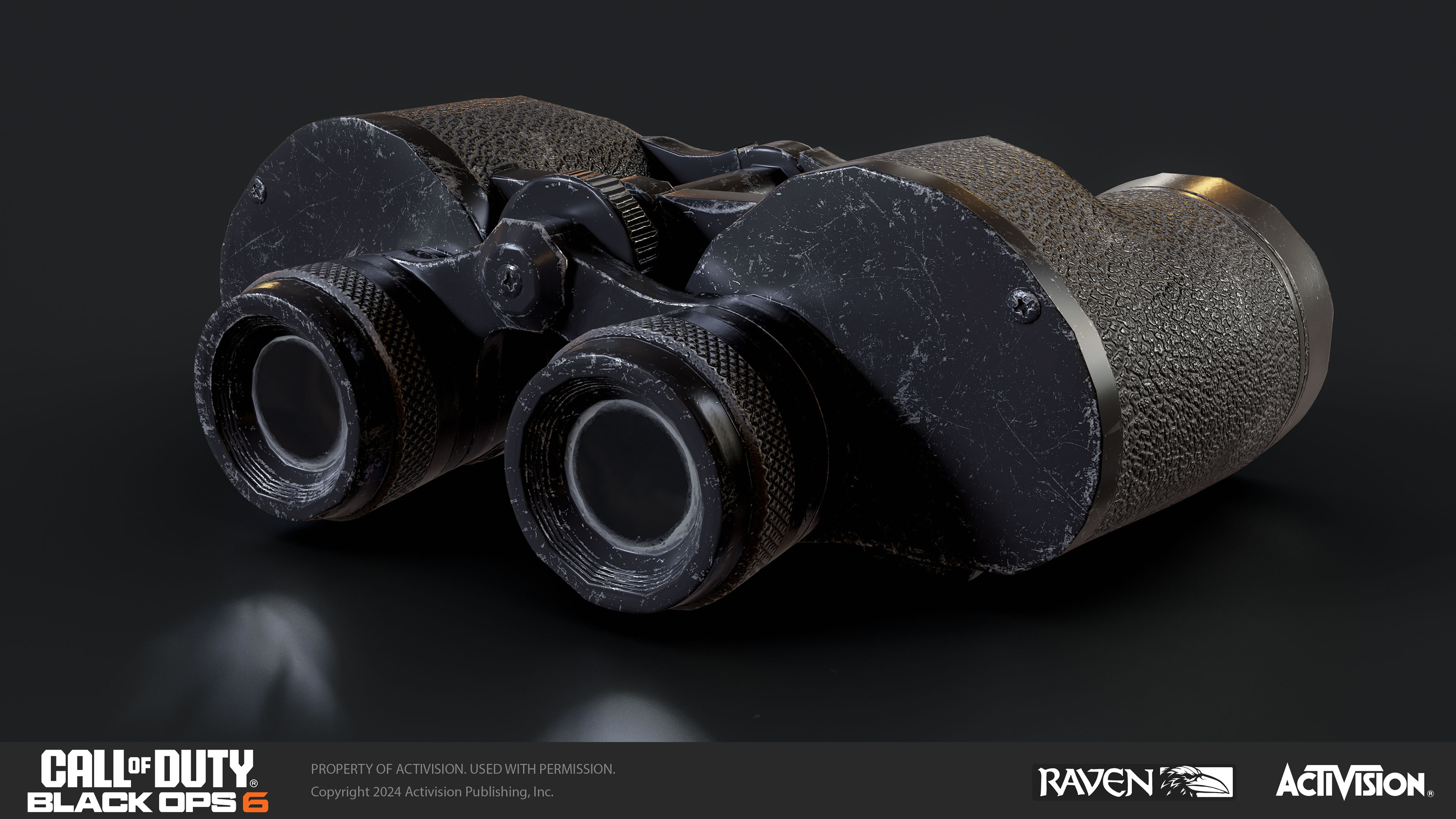
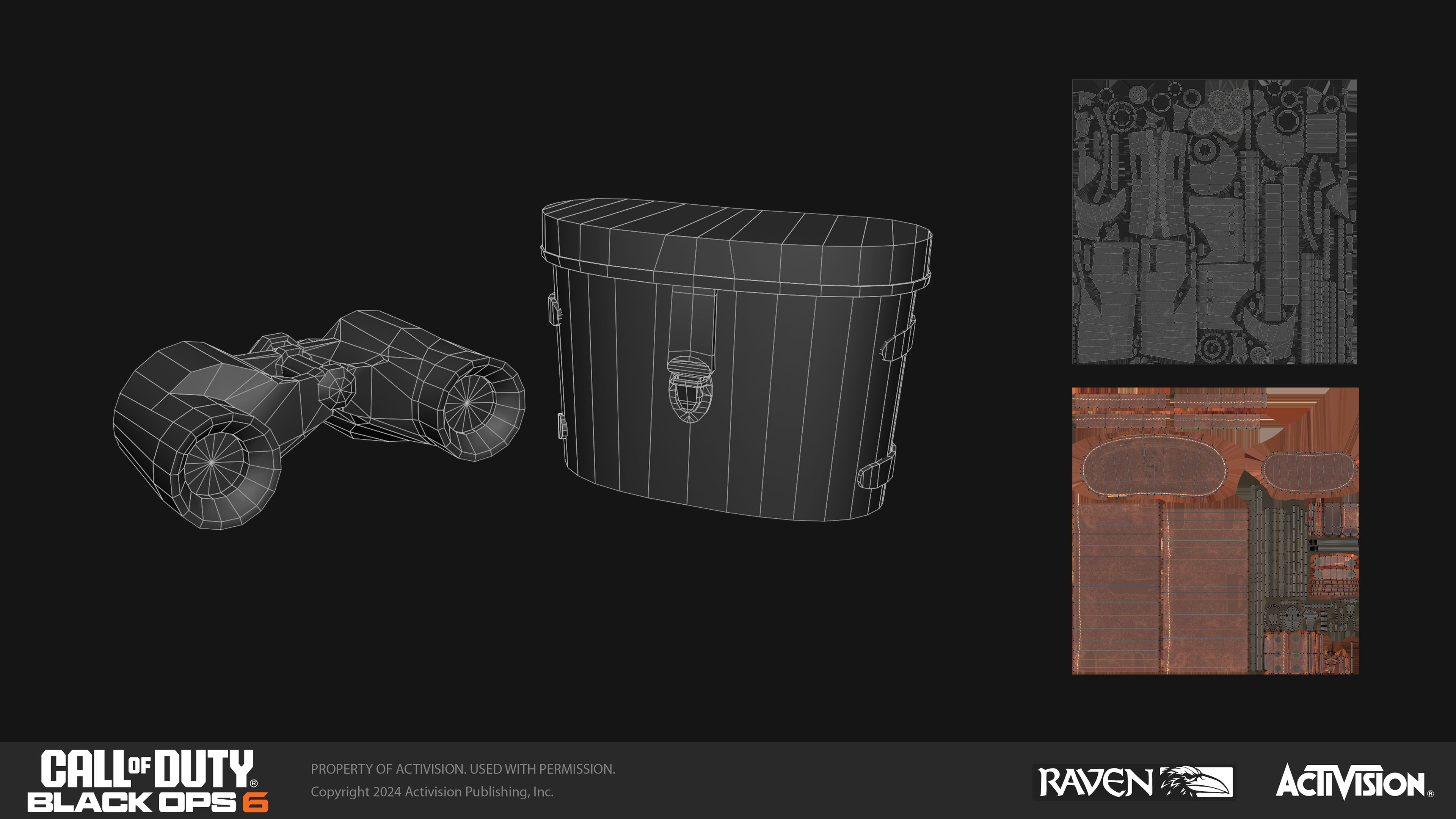
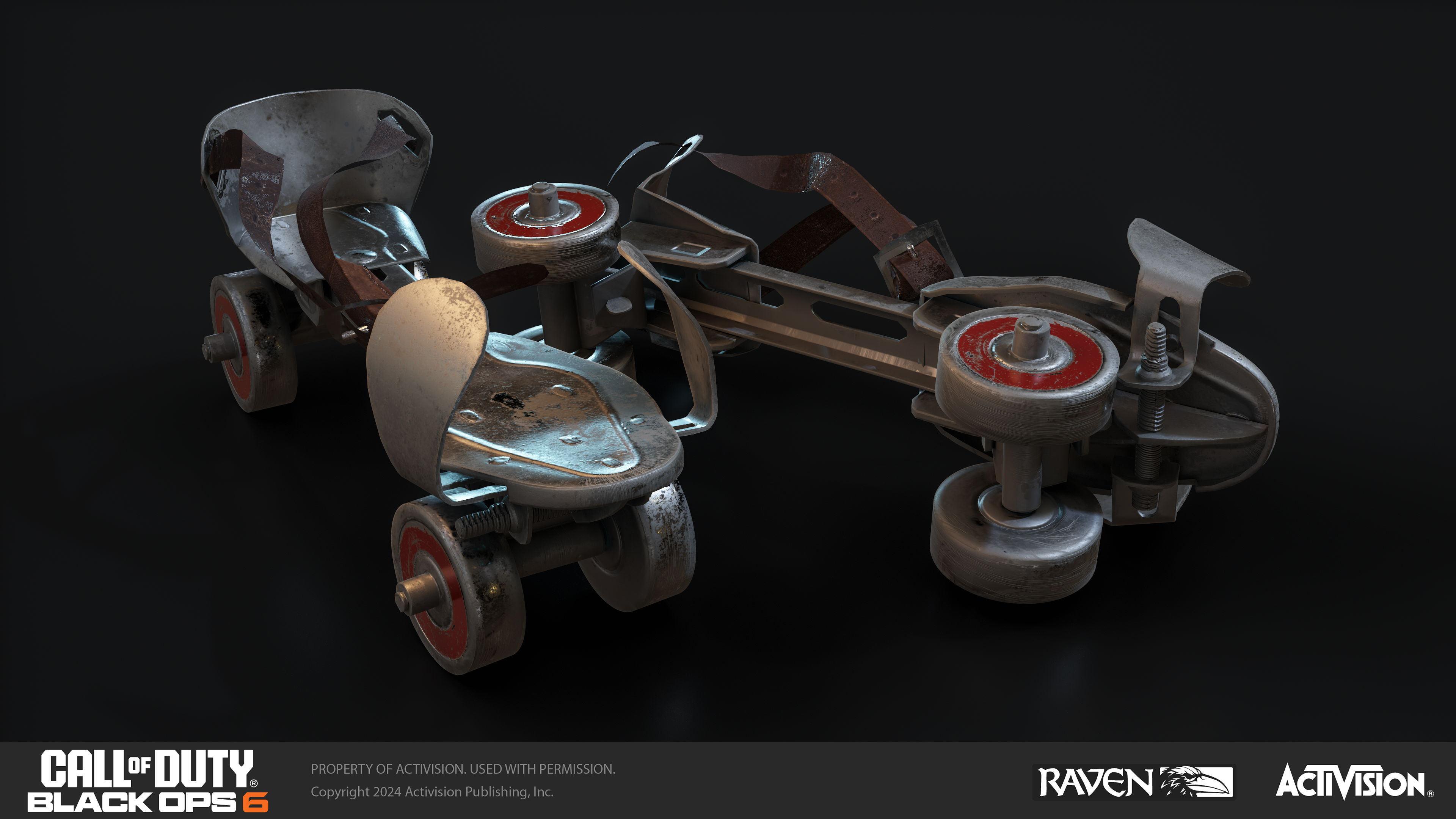
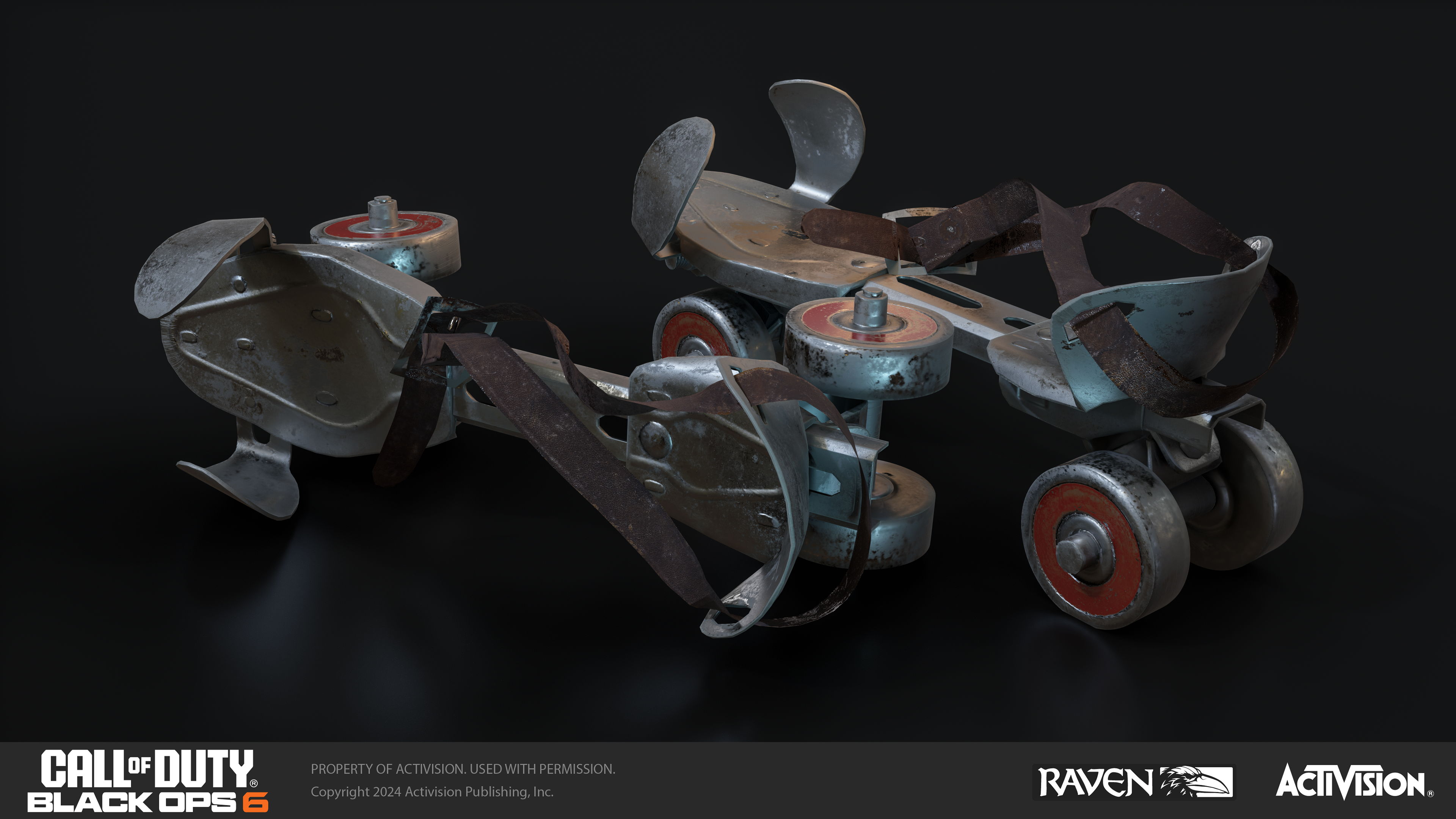
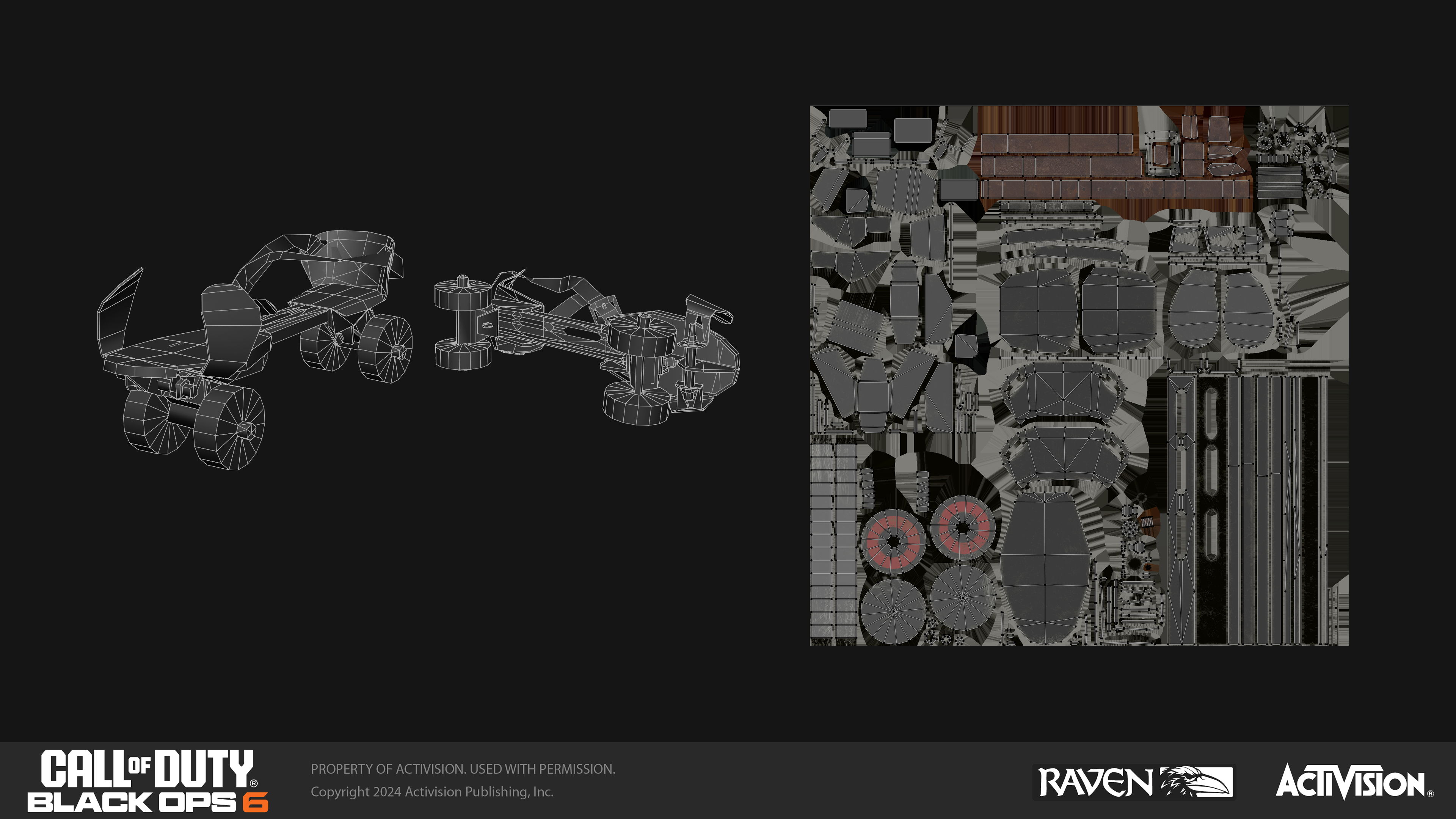
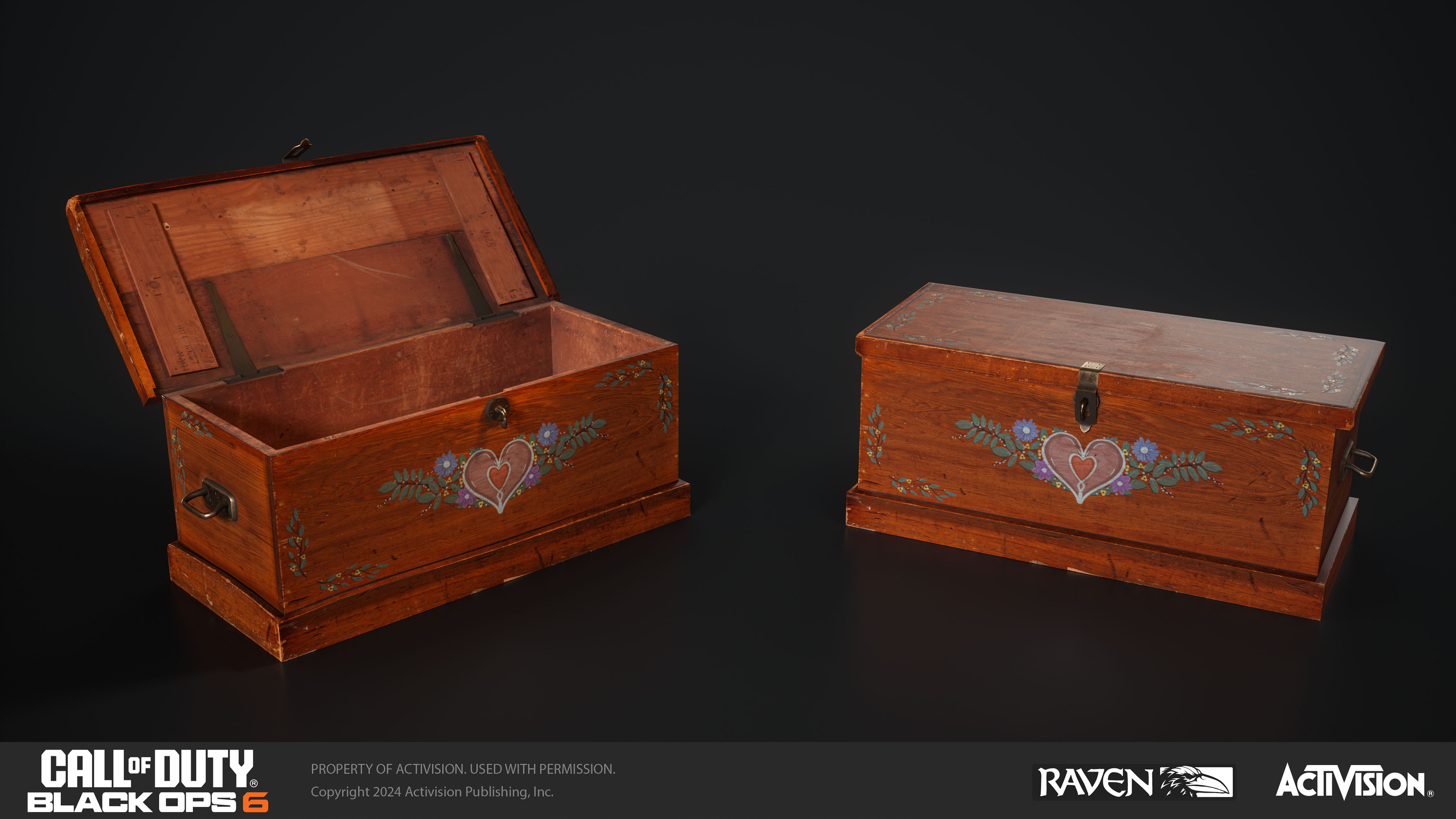
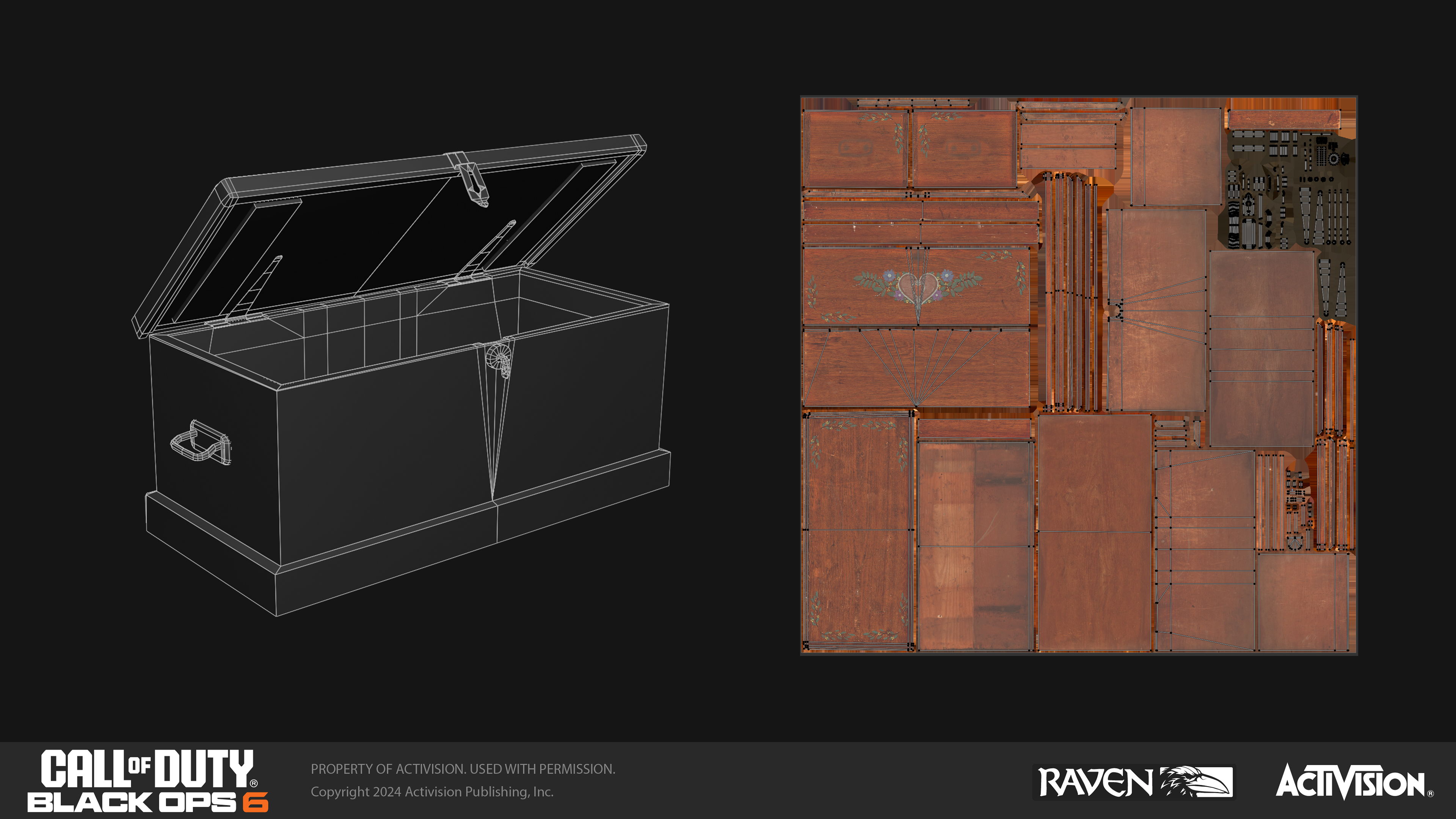
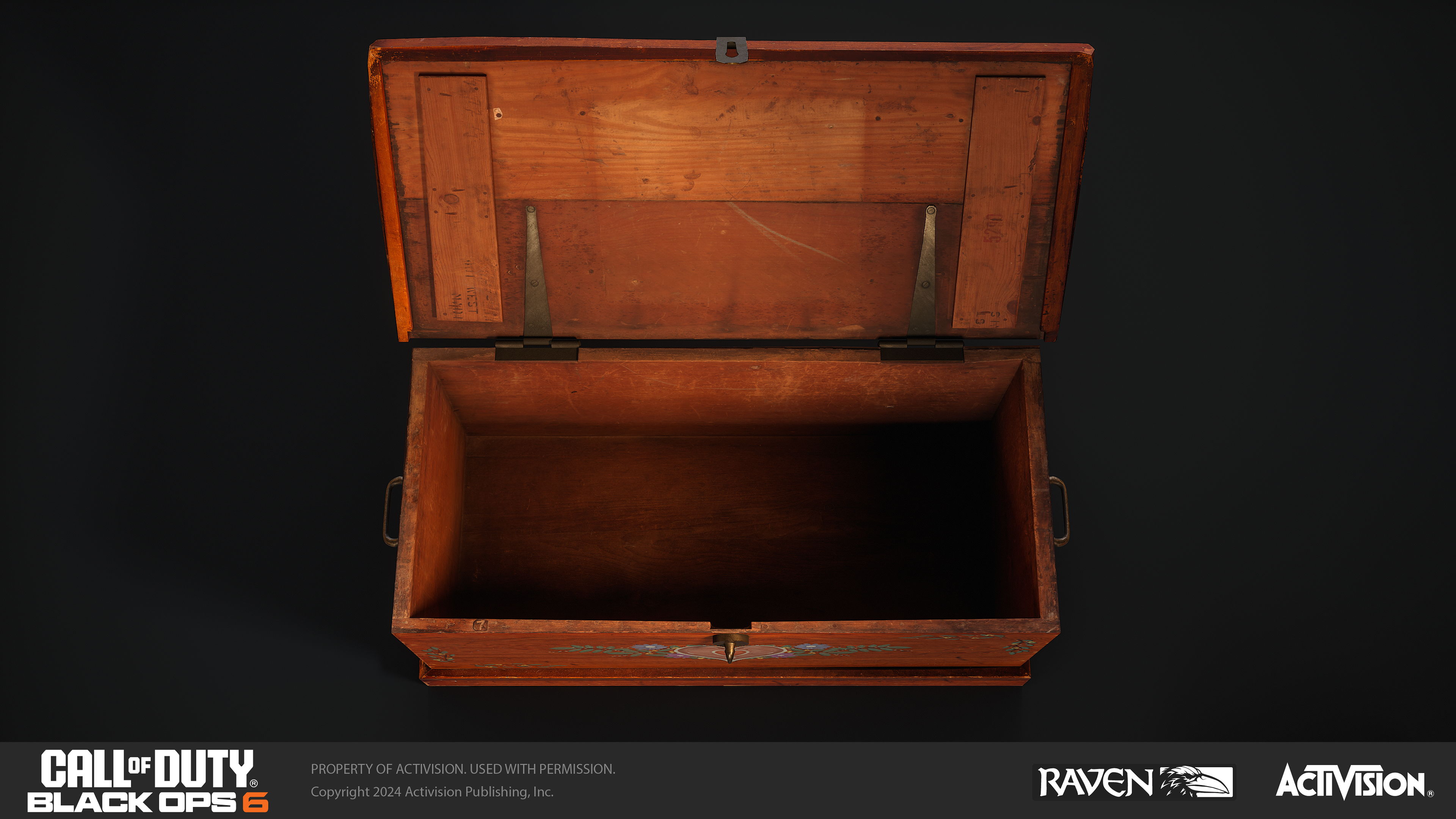
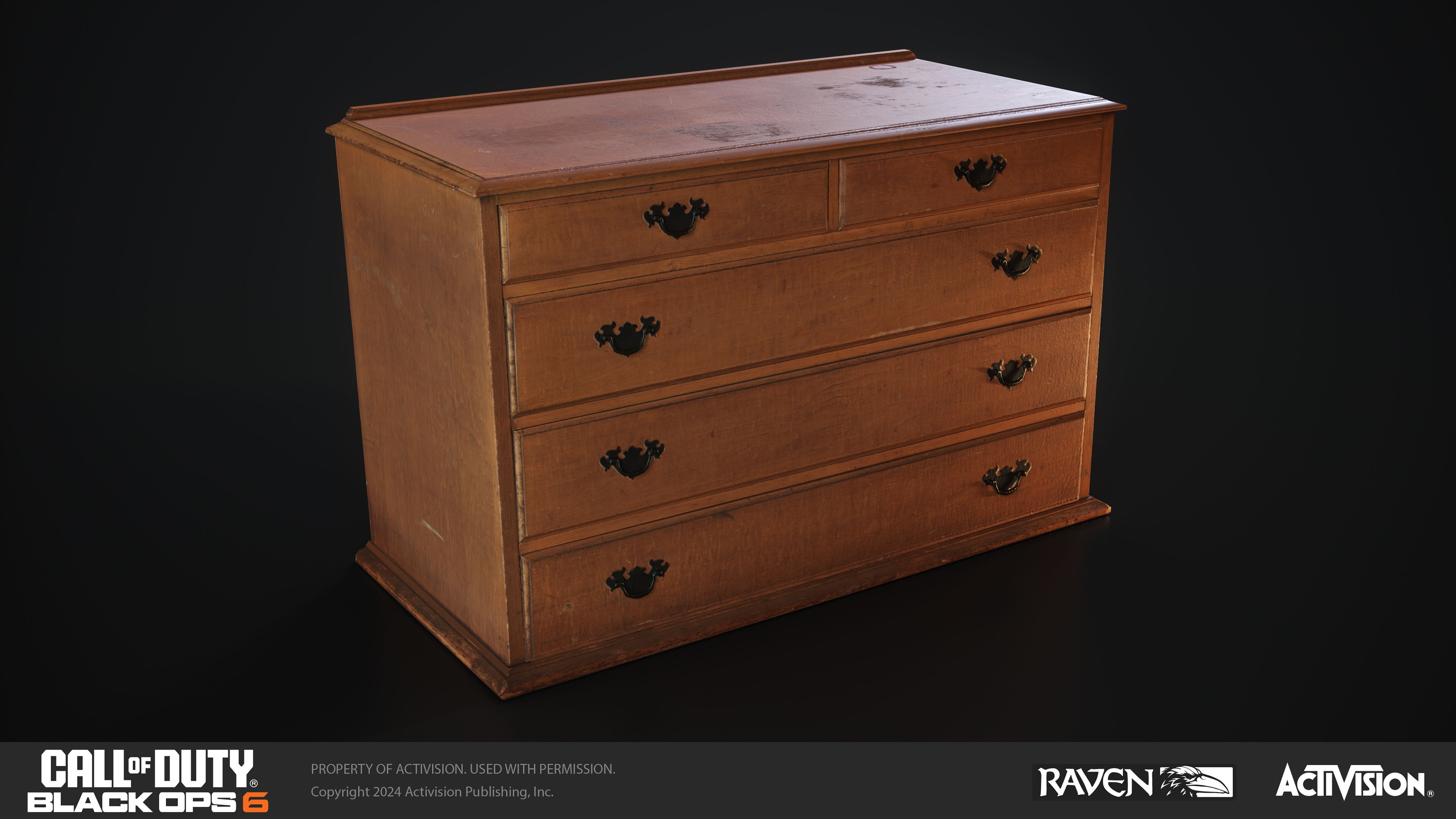
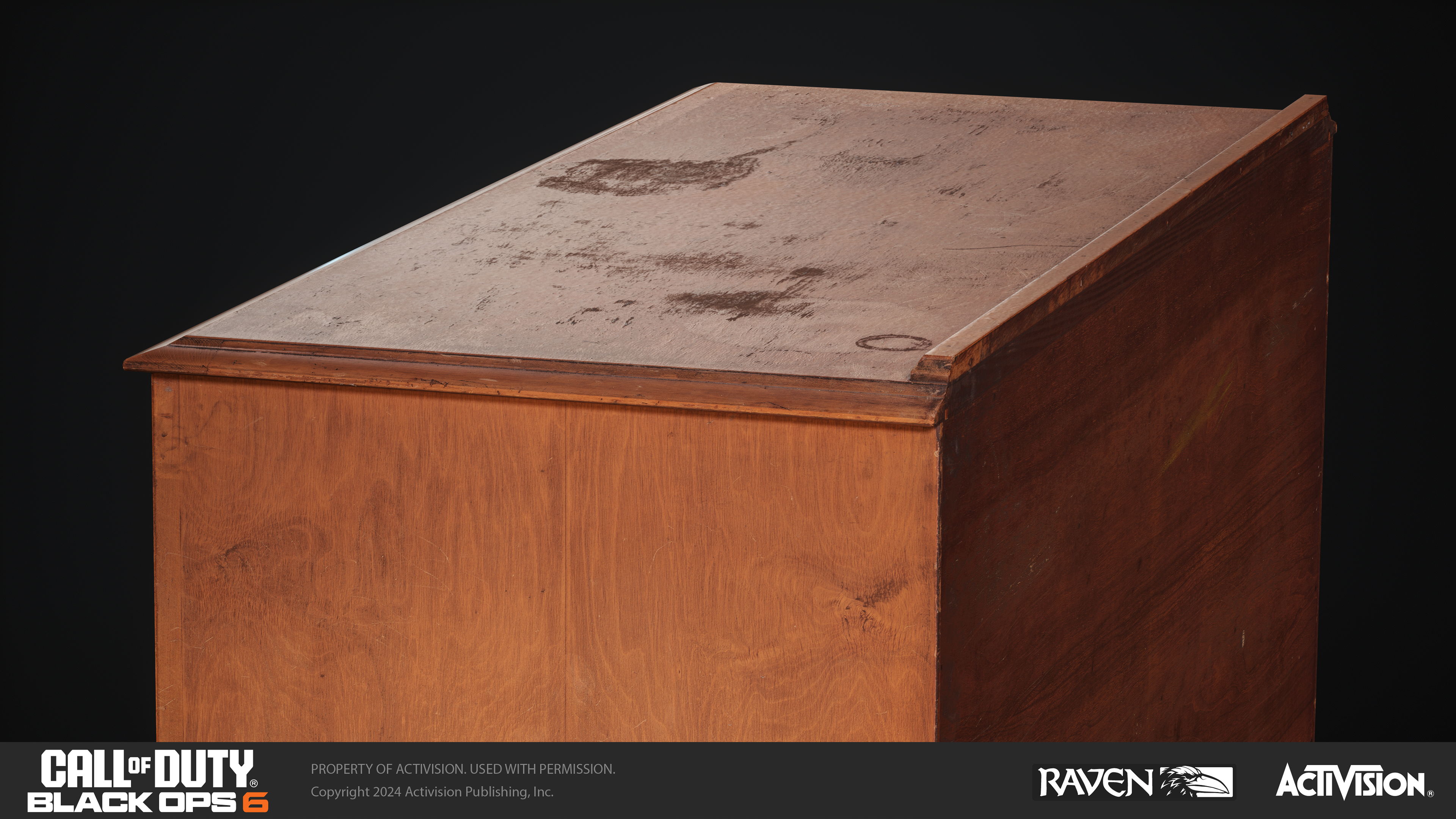
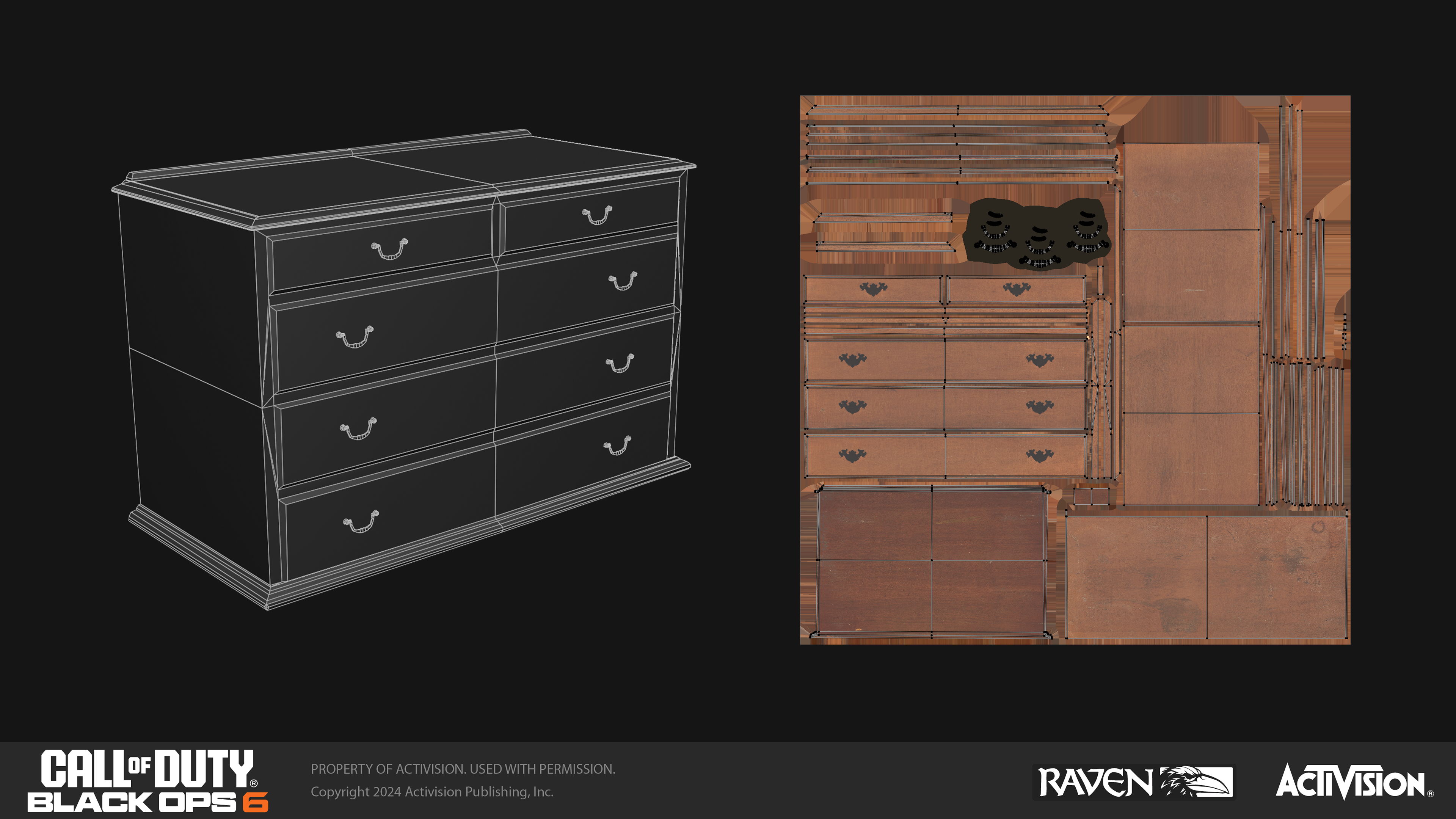
Separation Anxiety focused on story-driven hero props. We sourced the real-world set dressing, processed the photogrammetry using our sem-automated workflow, and fine tuned materials and technical meshes so the narrative set pieces held up for close-up interactions. The final result captured the emotional tone of the mission, achieving an environment that felt authentic, tactile, and visually grounded. It showcased how photogrammetry, when used thoughtfully, can enhance both storytelling and design.